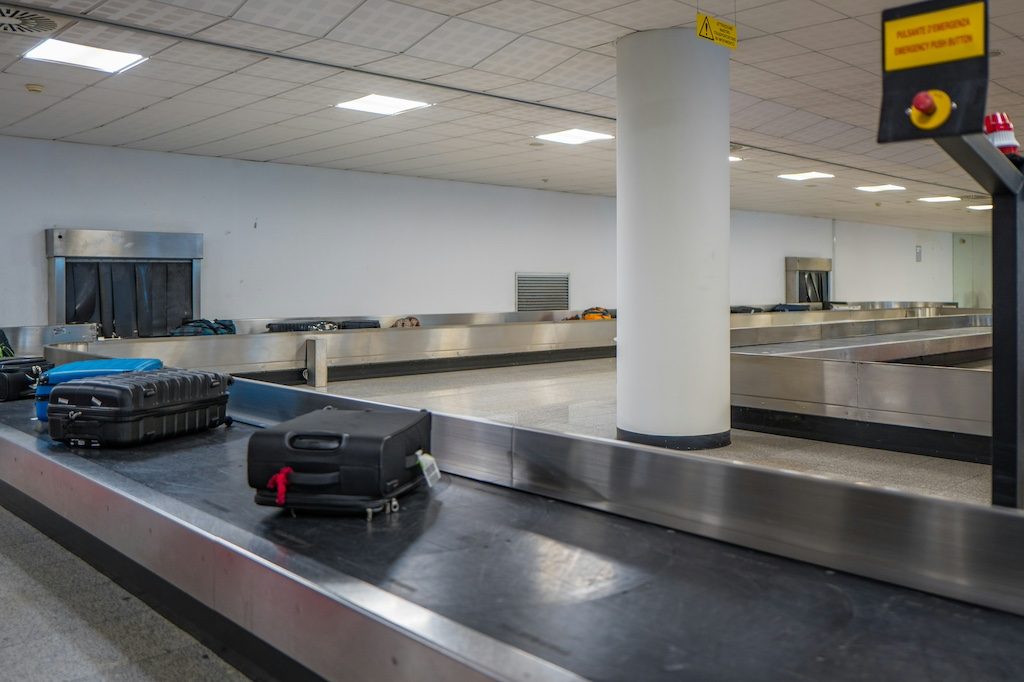
We've all been there. Your flight lands, the carousel spins, and your luggage doesn't appear. That sinking feeling is about to get a little less sinking, thanks to a new feature Google just launched in its Find Hub network.
The tech giant announced a real-time luggage tracking system that lets travelers instantly share their lost bag's location with airlines. It sounds simple because it is. Anyone carrying luggage with a compatible Find Hub tag or smart accessory can now securely hand over location data to their airline through a three-step process that takes maybe 30 seconds.
How It Actually Works
Here's the flow. Open Find Hub, select your lost item, and tap "share item location." The app generates a unique, secure URL. Copy that link, paste it into your airline's app or website, and they can watch your bag move in real time as it gets sorted, rerouted, or recovered. Done. And you can stop sharing whenever you want, or it auto-expires after seven days. Once your phone detects the bag is back with you, sharing cuts off automatically.
Google is making a point about privacy here, and it's fair. You control who sees your bag's location, the connection is encrypted, and you're not handing over your phone's location data. The airline only sees the bag. If you're someone who frets about privacy, this distinction matters.
Who's Already Onboard
Over 10 major carriers have integrated Find Hub into their baggage recovery systems. Air India, Lufthansa, Swiss International, Turkish Airlines, Scandinavian Airlines, Austrian Airlines, Brussels Airlines, China Airlines, Saudia Airlines, and Ajet all accept Find Hub locations now. More carriers, including Qantas, are rolling it out soon.
The feature exists because the airline industry has a real problem. Mishandled luggage costs the travel sector roughly 4.3 billion euros annually. Passengers demand visibility into their bags at every step, and when a suitcase goes missing, compensation costs skyrocket, customer service teams get swamped, and airlines take reputational hits. Real-time tracking removes the guesswork.
Luggage Makers Are Getting In on This Too
Samsonite has embedded Find Hub technology directly into some of its bags, so you don't have to remember to attach a tag or accessory. This appeals to travelers with young kids or anyone managing multiple pieces of luggage. Others prefer the flexibility of moving a smart tag between bags depending on what they're packing for a weekend trip versus a month-long adventure.
Apple AirTags offer a similar crowdsourced tracking system through their Find My network, with early partners including British Airways, Cathay Pacific, Virgin Atlantic, Lufthansa, and Qantas. Both approaches aim to solve the same problem, just with different ecosystems behind them.
The development happened in collaboration with luggage-related travel infrastructure firms SITA and Reunitus, integrating their WorldTracer and NetTracer baggage systems into the Find Hub experience. Nicole Hogg, Portfolio Director for Baggage at SITA, said airlines are moving away from manual tracing toward data-backed recovery. The shift is real, and it's here now.
If you travel with regularity and dread the thought of your suitcase vanishing, Find Hub turns that anxiety into something actionable. Your bag doesn't disappear into a black hole anymore. You track it, share its location, and get it back faster. That's not just peace of mind. That's progress.