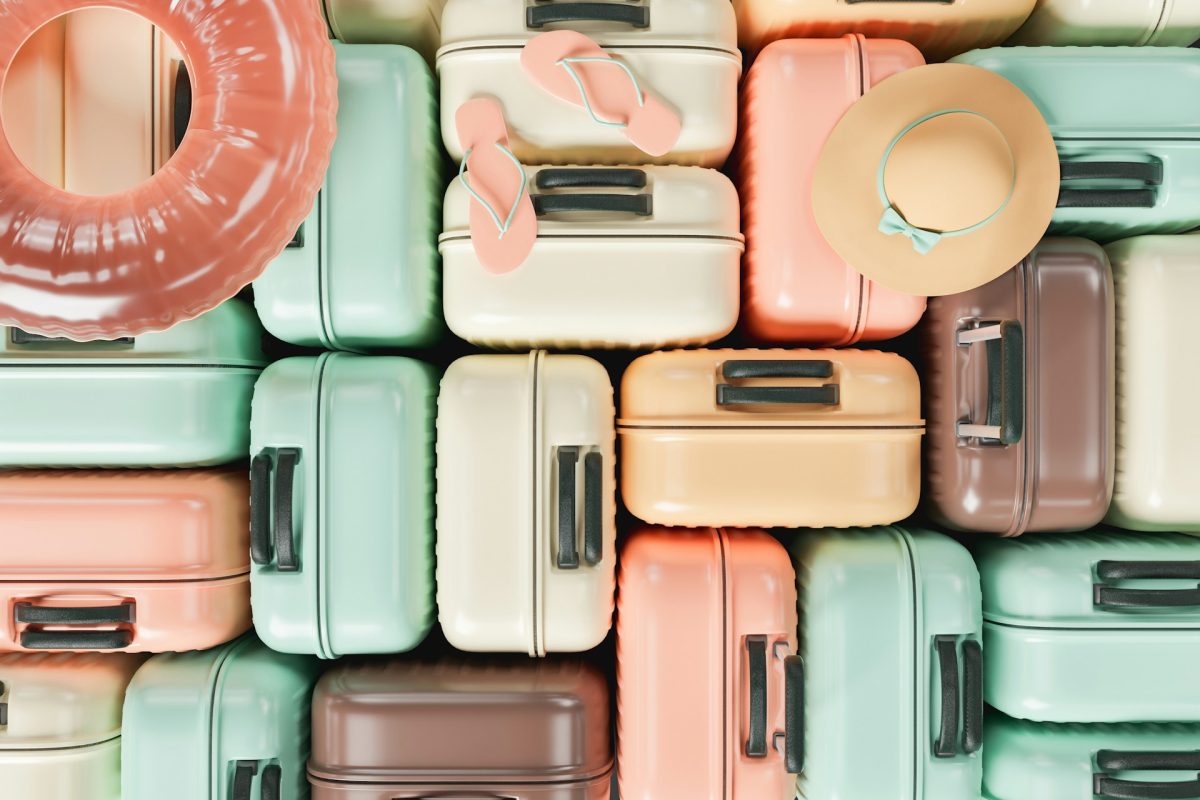
You've probably seen it at the airport: rows of suitcases encased in clear plastic wrap, looking like wrapped presents ready for shipping. Travelers stand in line, handing over their luggage to workers who shroud it in layers of protective film. The promise is simple: your bag will stay safe, secure, and free from scratches, tampering, and chemical damage.
The reality is far less reassuring. Airport security experts, the TSA, and trained security professionals all agree on one thing: plastic wrap provides virtually no actual protection. In fact, it might work against you.
The Myth Behind the Wrap
Plastic wrapping has been standard at major U.S. airports since the early 1990s and is even more widespread internationally. Companies like Miami-based Secure Wrap now employ over 500 workers across 17 countries, a testament to how embedded this practice has become in travel culture.
People wrap their luggage for various reasons. Some want to shield their suitcases from airport handling scuffs. Others travel to countries where disinfectants or insecticides are sprayed on arriving luggage and worry about chemical damage to their belongings. Some simply can't afford a new bag and hope that wrapping a broken suitcase (at $15 per wrap) beats buying a replacement at inflated airport prices.
These concerns feel legitimate. The problem is that the solution doesn't actually solve them.
What TSA Actually Does With Your Wrapped Bag
Wrapped or not, your checked luggage gets screened the same way. The TSA processes approximately 1.3 million bags daily across the United States alone. Every single one passes through 3D X-ray scanners designed to catch hazardous materials. The agency also deploys trained dogs that can sniff out explosives, bullets, and other dangerous items. Plastic wrap stops none of this. The scanners work right through it, and the dogs are indifferent to your protective layers.
If your bag gets flagged for closer inspection (which happens to less than 5% of luggage), TSA officers will cut through the wrap without hesitation. They'll also break non-approved locks if necessary. After they've examined your contents and repacked everything, they leave a notice explaining the inspection. The plastic wrap? They won't replace it.
Some wrapping services offer to rewrap your bag after TSA inspection, but these guarantees come with real limits and shouldn't be mistaken for actual security.
The Theft Risk You Didn't Expect
Here's where the wrap strategy backfires hardest. Former U.S. Army military police officer Ed Burnett warns that wrapped luggage actually sends the wrong signal to thieves. A covered bag suggests you're hiding something valuable. That plastic wrapper becomes a bright flashing neon sign screaming "good stuff inside."
The wrap also creates a separate problem: you won't notice if someone has tampered with your bag. A torn or opened plastic covering is far harder to spot than damage to your actual suitcase. Even valuable items inside a wrapped bag can vanish if the luggage sits unattended for five minutes at baggage claim.
Security experts are clear on this point. Plastic wrapping is cosmetic. It doesn't prevent theft. It doesn't stop tampering. It just makes your luggage look like a locked treasure chest.
What Actually Protects Your Luggage
Smart travelers skip the wrap and focus on strategies that genuinely work. A bright-colored, hard-shell suitcase is harder to break into and easier to spot on a carousel. TSA-approved locks let security officers open your bag without breaking anything. Keep your expensive items in carry-on luggage where you can watch them yourself.
Consider hidden compartment safes (those dummy containers that look like ordinary items) or tracking devices like AirTags tucked inside your bag. Choose an understated suitcase that doesn't broadcast wealth. These measures accomplish what plastic wrap promises but can't deliver.
The One Thing Wrap Actually Does
To be fair, plastic wrapping does have legitimate uses. It protects your suitcase from scratches and minor cosmetic damage. It shields luggage from spills and can guard against chemical exposure in countries where airport disinfection is standard practice. Some travelers use it purely for aesthetic reasons or to keep fragile items secure during handling.
Just don't mistake it for security. Think of plastic wrap as what it truly is: a protective cosmetic layer for your suitcase, not a safeguard for your belongings. Your actual security comes from smart choices before you reach the airport and careful attention once you arrive.