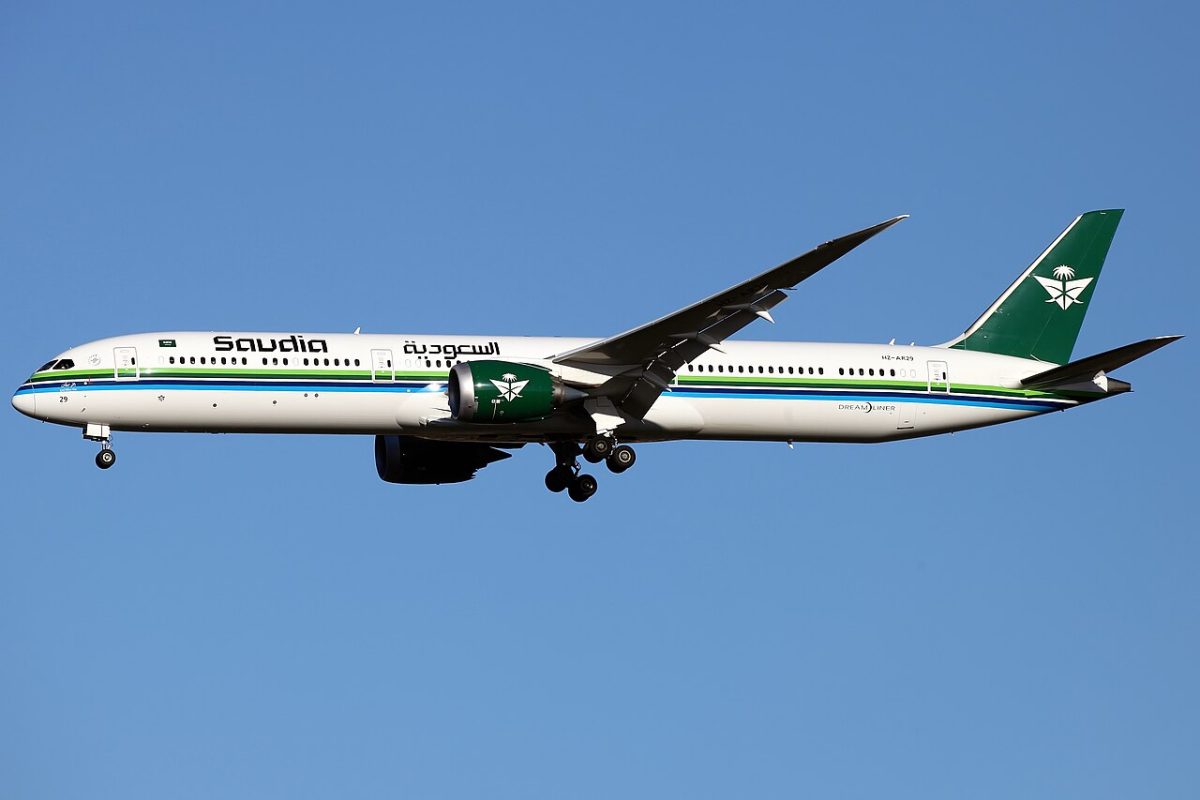
Your next flight is about to cost more. Airlines across the globe are quietly (or not so quietly) raising ticket prices, and the blame lies squarely on the price of fuel. What used to cost around $85 to $90 per barrel of jet fuel has skyrocketed to $150 to $200 per barrel since the outbreak of conflict in the Middle East disrupted the world's primary oil supply routes.
The math is simple and brutal. When fuel costs double, airlines pass that bill to passengers. Air New Zealand customers are already feeling the pinch. One-way economy fares jumped by $6 on domestic routes, $12 on short-haul international flights, and a staggering $53 on long-haul services. Similar increases have rolled out at Qantas Airways, SAS, and Hong Kong Airlines, all citing fuel price hikes as the culprit.
"Increases of this magnitude make it necessary to react in order to maintain stable and reliable operations," an SAS spokesperson told Reuters, referring to what the airline politely called a "temporary price adjustment." Translation: expect these higher prices to stick around for a while.
Why Some Airlines Are Holding Steady (For Now)
Not all carriers are scrambling to raise fares just yet. Lufthansa, Ryanair, and Finnair have managed to avoid fare increases because they locked in fuel prices through hedging contracts. They're essentially playing with house money at the moment. But that protection has a shelf life. "A prolonged crisis could affect not only the price of fuel but also its availability, at least temporarily," a Finnair spokesperson warned to Reuters. Translation again: hold your breath.
This timing is terrible. The airline industry was already under pressure before the Middle East tensions flared up. Several airspaces in the region have shut down, forcing airlines to reroute flights, which burns more fuel and eats into already thin margins. Stock prices for major carriers have tanked, though a presidential statement suggesting the conflict would end soon sparked a brief market rally. Don't get too comfortable with that optimism.
The Ripple Effect Beyond the Cabin
The pain isn't confined to airline ticket counters. Tourism in the Middle East is facing a $56 billion crisis as conflict disrupts travel plans and erodes consumer confidence. International uncertainty is making people think twice about booking anything. Road travelers face higher petrol costs too. Organizations like the AA and the RAC are urging drivers to cut back on non-essential journeys and conserve fuel where possible.
This creates a perfect storm for the travel industry. Higher airfares drive down demand. Lower demand means fewer flights. Fewer flights mean airlines need to cut costs aggressively, which often translates to service cuts, route closures, or worse. Some smaller carriers might not survive if this drags on.
The travel industry has weathered crises before, but this one has a nasty combination of factors working against it. Geopolitical risk, fuel costs, reduced consumer confidence, and operational disruptions are all pressing down at once. If you've been sitting on a travel decision, experts suggest booking sooner rather than later. Fares are unlikely to get cheaper in the near term, and global uncertainty tends to only grow once it gets rolling.