The travel world just hit turbulence. On a single day in March 2026, oil prices spiked between 26 and 30% in one of the biggest moves in decades, with Brent crude jumping nearly 29% as geopolitical tensions in the Middle East disrupted shipping routes. For an industry where fuel ranks as the second-largest operating cost after labor, this isn't just bad news. It's an existential crisis.
When Fuel Costs Spiral Out of Control
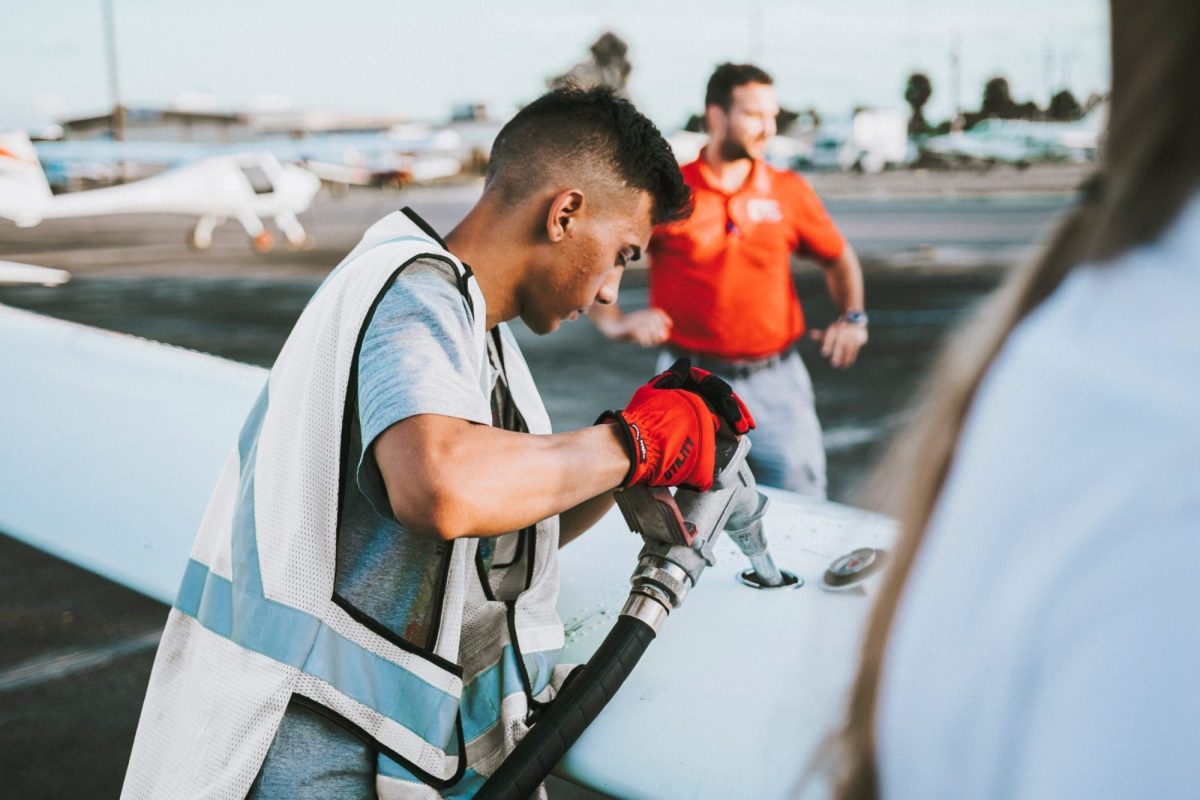
The math is brutal. When crude oil rises 20%, jet fuel climbs several times faster because it's far scarcer. Add in mandatory longer flight routes around closed airspace, and suddenly an airline's fuel bill doubles. Meanwhile, crews log extra hours in the air, stretching already-thin staffing resources even thinner. Subhas Menon, head of the Association of Asia Pacific Airlines, laid it out plainly to Reuters: this combination creates a cascade of costs that carriers can't absorb without hiking prices or cutting routes.
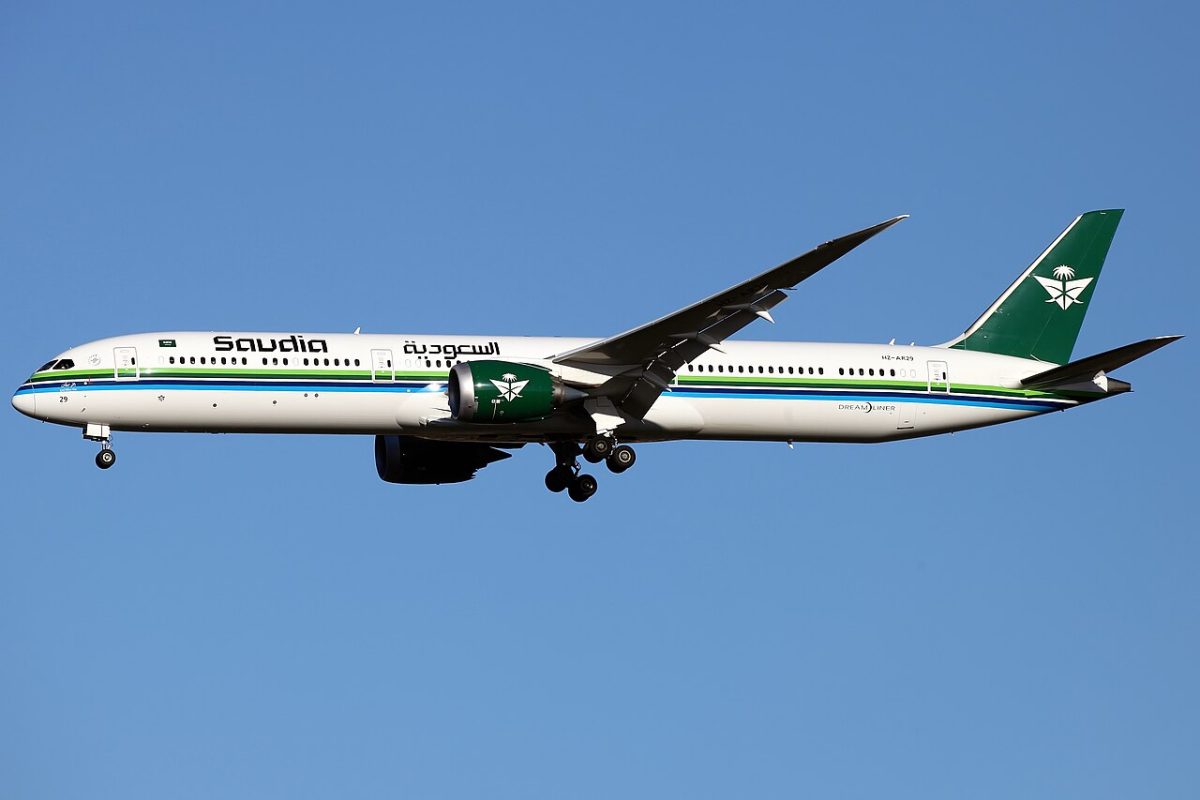
That's exactly what's happening. Virgin Atlantic, facing a 16-hour haul to Dubai with the airport under fire from drone strikes, made a swift decision: pull out of the Middle East entirely and shutter seasonal routes. Other airlines are following suit, grounding aircraft they can't afford to fly and canceling schedules by the thousands.
The Ticket Price Shock
Passengers feel this pain at the booking screen. One Korean flight from Seoul to London saw fares spike by a staggering 672.87% in a single day. When tickets double or triple overnight, leisure travelers simply drop out of the market. Business confidence collapses. Economic growth in tourism-dependent regions stutters. It's a self-reinforcing spiral: planes fly emptier, costs per seat rise, fares shoot up further, and fewer people fly.
This happened before. After 2005's post-hurricane jet fuel crisis, Delta and Northwest Airlines couldn't survive the financial shock. They were forced to restructure massive debts and eventually merge. Some analysts are quietly wondering if history is about to repeat itself.
The Stock Market Speaks
The markets aren't waiting around. On a single trading day, airline stocks plummeted across every continent. American Airlines and Cathay Pacific each fell 5%. United Airlines dropped 6%. Korean Air Lines tumbled 8.6%. European carriers fared little better, with Air France KLM, IAG, Lufthansa, and Wizz Air losing between 2.5% and 6% of their value. Cruise lines took similar hits, with Carnival sinking 7%, Royal Caribbean sliding 6.6%, and Norwegian down 6%.
Deutsche Bank analysts issued a stark warning: if conditions don't improve, airlines around the world could be forced to ground thousands of aircraft. Some of the industry's financially weakest carriers might simply halt operations.
Why Airlines Are So Vulnerable
Here's the trap many carriers fell into: they stopped hedging their fuel costs. Hedging costs money upfront but insures against price spikes. Skip it, and you're naked to market swings. When fuel is your highest expense after salaries, that's a dangerous bet. Airlines can be flying more passengers than ever while actually losing money if their fuel costs outpace revenue. The closure of Middle Eastern airspace makes this worse by forcing longer routes that burn more fuel per flight.
Governments are starting to respond. South Korea's leadership announced plans for a fuel price cap, signaling just how urgent the situation feels. But without a quick resolution to the conflict, relief remains distant.
What Comes Next
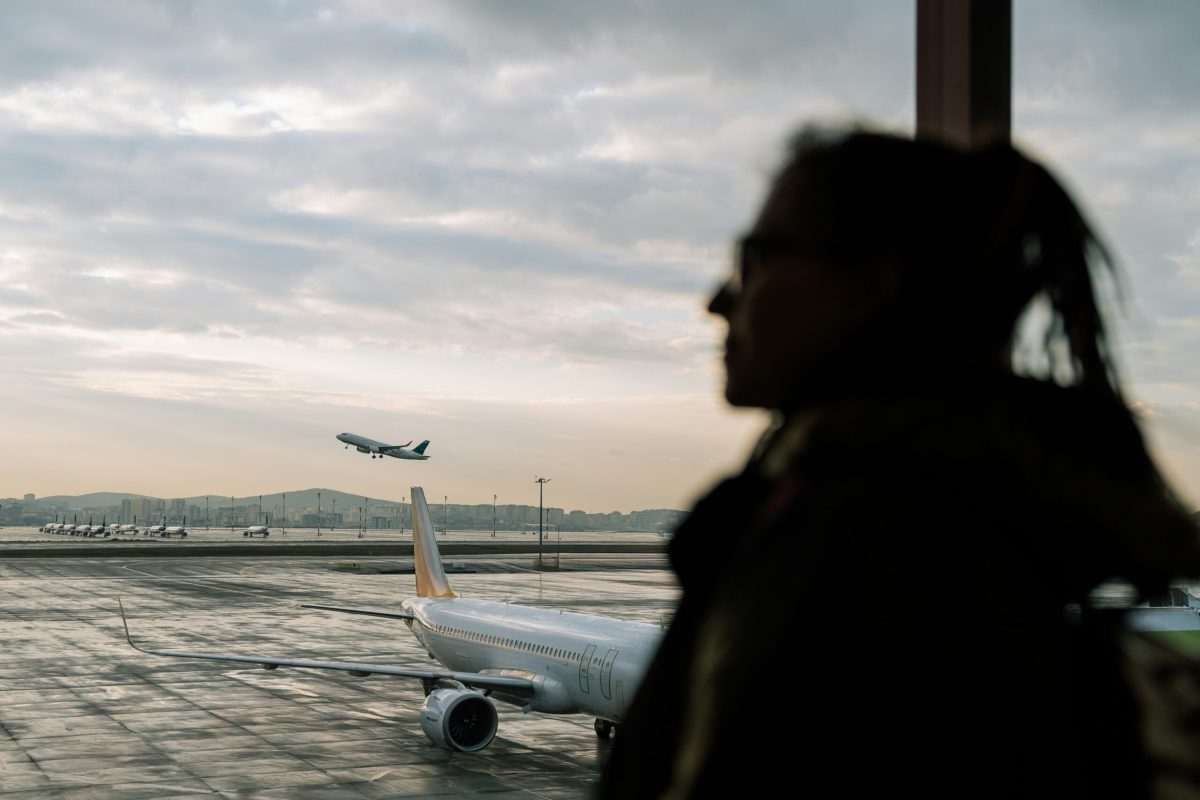
The travel industry faces months of uncertainty. Fleet sizes will shrink. Routes will vanish. Thousands of travelers stuck in the Middle East are already scrambling for alternate routes as airlines reroute around the crisis. Prices for those remaining flights will stay elevated because demand hasn't disappeared, just been compressed onto fewer seats.
If you're thinking about booking a trip, reality check: fares won't return to normal quickly. But there are still small windows when airlines drop prices to fill seats. Watch for those moments. The carriers that survive this shock will emerge leaner and meaner, but the journey getting there will be turbulent for everyone involved.