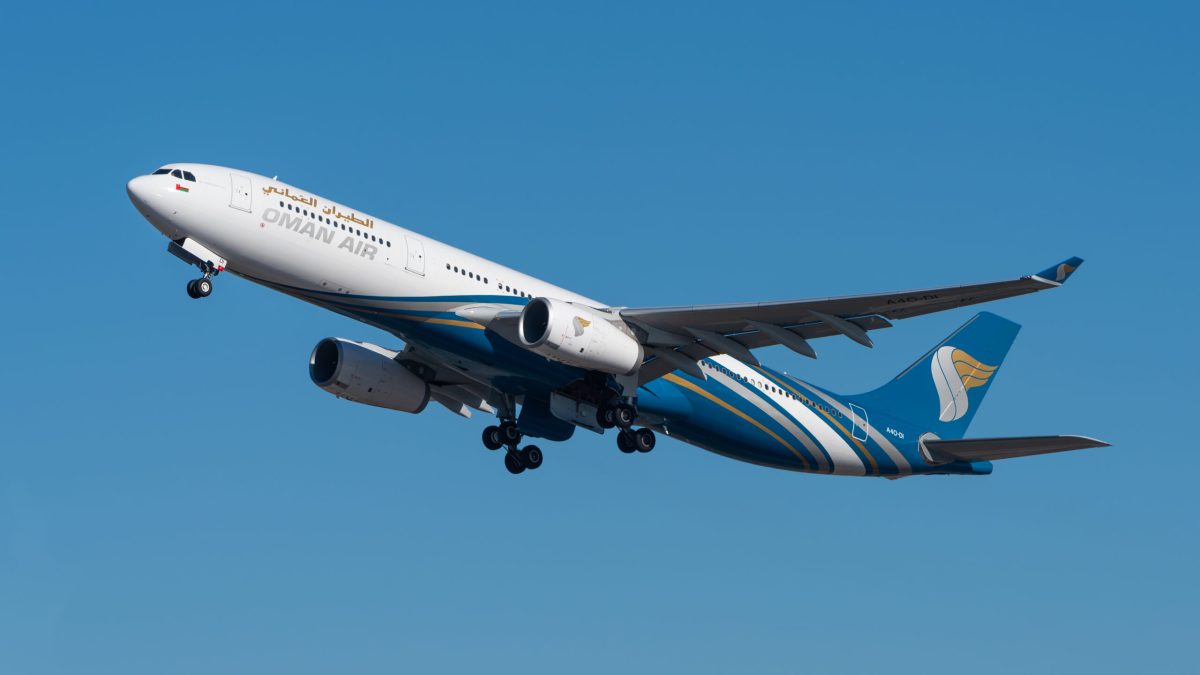
The skies over the Middle East are closing fast. On Sunday, Oman Air announced it would freeze all flights to nine destinations through March 15, ranging from Baghdad and Dubai to Copenhagen, thanks to an increasingly volatile security situation that has turned the region's airspace into a no-fly zone.
The upheaval stems from a military confrontation that spiraled quickly. The United States and Israel launched strikes on Iran, prompting Iran to fire back with missiles and drones targeting at least eight countries across the Gulf and beyond, including Israel, Saudi Arabia, Jordan, Qatar, Bahrain, Kuwait, and the UAE. The result: entire swaths of the Middle Eastern sky are now off-limits to commercial traffic.
Which Routes Are Affected
The cancellation list reads like a greatest-hits of Middle East travel hubs. Passengers heading to Amman, Dubai, Manama, Doha, Dammam, Kuwait City, Baghdad, or Khasab won't be flying this week. Even Copenhagen makes the list because the typical routing takes planes over Iraqi airspace, which remains closed. Oman Air confirmed the cancellations across its official channels, urging affected passengers to check their website or contact the airline directly.
This isn't a short-term hiccup. The seven-day suspension represents a significant reshuffling of one of the region's major carriers' operations. However, Oman Air stressed that most of its sprawling international network, which reaches into Europe, Southeast Asia, and Africa, remains operational.
The Scramble to Get Out
What started as flight cancellations has become something more chaotic. The airline has already operated nearly 80 extra flights and shuttled 97,000 passengers to safety since the crisis began. To handle the overflow, Oman Air organized bus services for travelers escaping the UAE via the land border into Oman. The scramble has been intense across the region, with unusual traffic congestion reported on normally quiet desert highways as thousands of people seek alternative escape routes.
One traveler documented the strange reality unfolding on the ground: crossing from Dubai to Oman via the Hatta border while Muscat airport remained open and Dubai's closed, describing the surreal calm of Oman and the kindness of locals amid the broader chaos.
Extra Flights and Rising Costs
Oman Air is trying to keep things moving where it can. The carrier scheduled additional flights to Istanbul, Cairo, Kuala Lumpur, London Heathrow, Mumbai, Rome, Bangkok, Milan, Amsterdam, and Jeddah over the weekend and into Monday. Still, passenger frustration is building online. Travelers report uncanceled reservations going unrefunded and replacement flights carrying eye-watering prices. One traveler complained that his canceled booking left him waiting with no refund; another voiced anger at the cost of rebooking.
Airlines aren't the only ones feeling the pinch. Oil prices spiked to roughly $110 a barrel Monday morning as markets feared the conflict could disrupt regional energy supplies, a move that directly pushes up jet fuel costs. Carriers across the Middle East are struggling with both cancellations and rising operational expenses as the crisis drags on.
Safety Concerns and Scam Alerts
Beyond flight disruptions, there's a darker side emerging. Scammers have begun targeting stranded travelers in the UAE, posing as airline staff or crisis support agents and fishing for booking references and personal details on social media. Oman Air urged passengers to make any flight changes only through official booking platforms and to ignore unsolicited messages.
The airline hasn't given a timeline for when routes will resume. For now, anyone with a ticket on these suspended routes should go directly to Oman Air's website or contact them through verified official channels. Bringing a trip together in this environment means moving fast, staying alert, and trusting only the airline's official word.