Morocco's hospitality scene just shifted into a new gear. The Waldorf Astoria brand has planted its flag in North Africa for the first time, claiming residence in the Mohammed VI Tower, a gleaming 55-storey skyscraper that now defines Rabat's skyline. The 250-meter structure rose from the banks of the Bouregreg River between Rabat and Salé, and when it officially opened in April, it arrived as Africa's third tallest building, designed by architects Rafael de la-Hoz and Hakim Benjelloun.
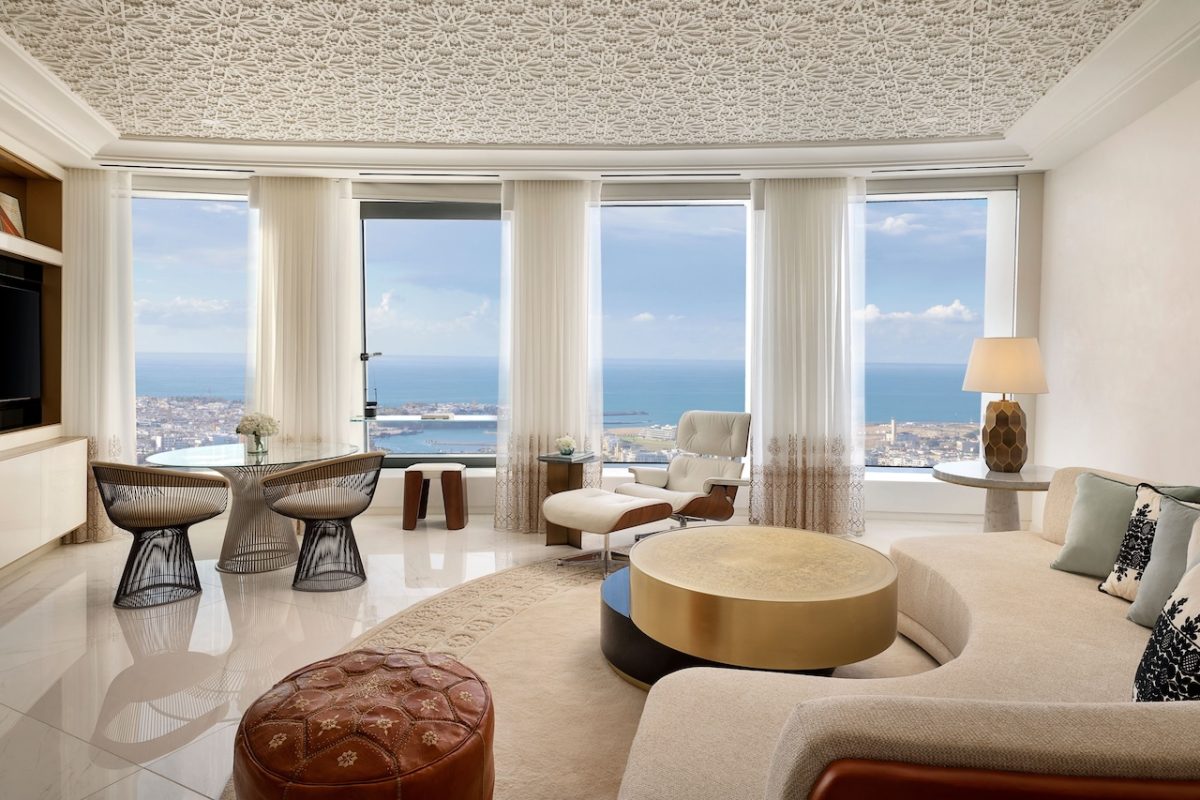
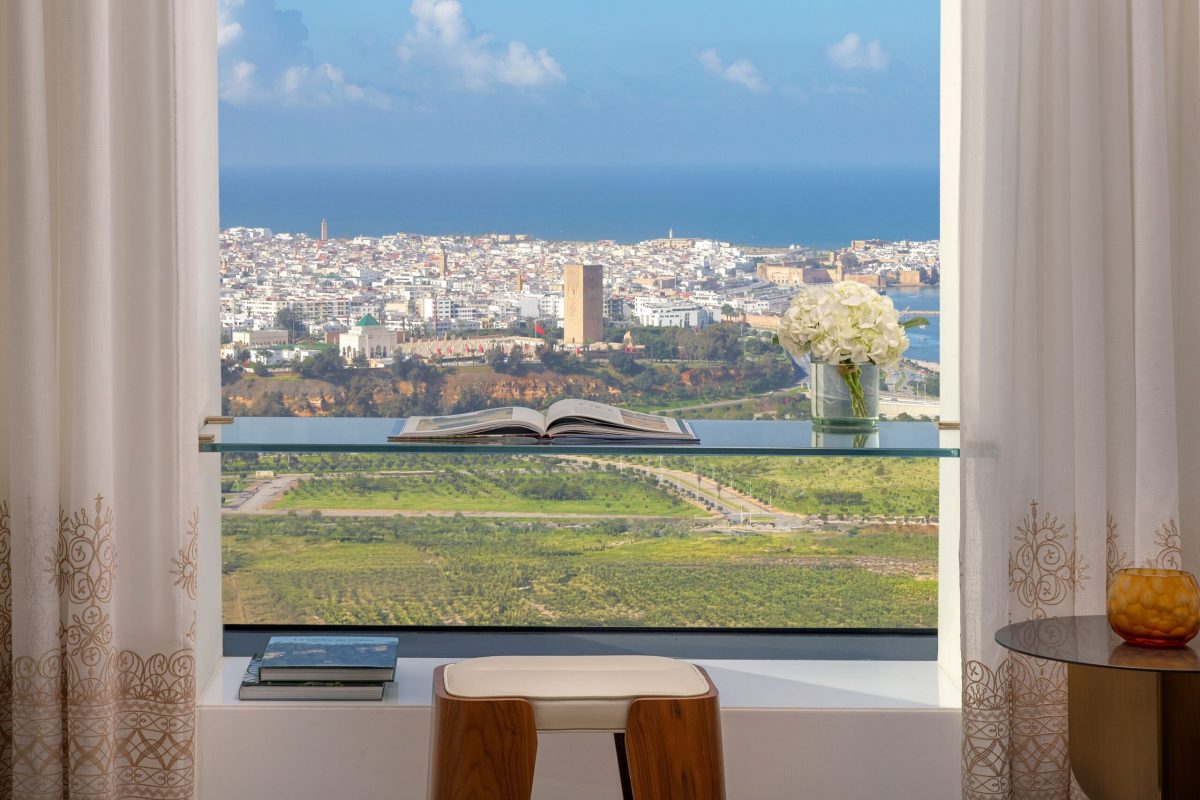
This isn't just another luxury hotel opening. The Mohammed VI Tower has become a symbol of Morocco's economic ambition, earning a place on the country's 200-dirham banknote. The mixed-use complex blends offices, apartments, and retail space, but the Waldorf Astoria quickly became one of its headline acts. The hotel occupies the upper floors with 55 rooms and suites that command views stretching from the river to the Atlantic Ocean and the Maâmoura forest. Each room comes with a personal concierge.
Art, Moroccan Craft, and Celestial Inspiration
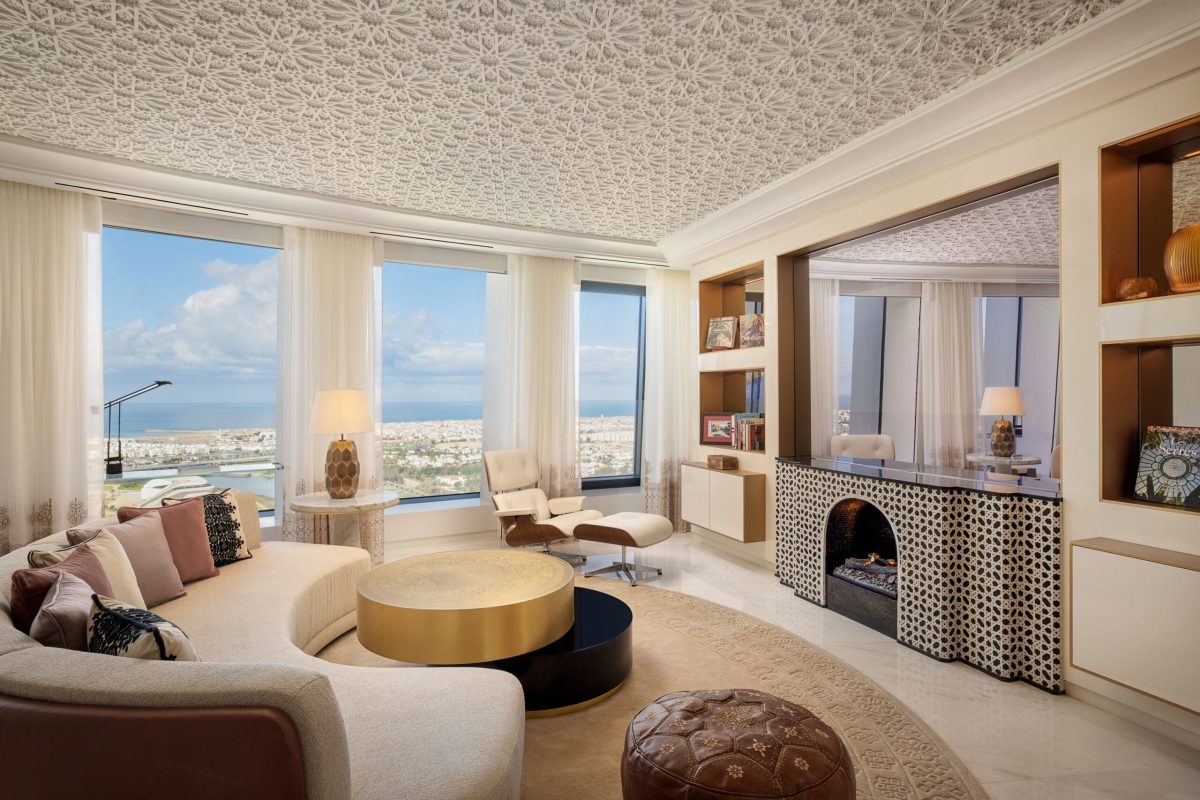
Walk into any room and you'll notice the interiors dance between contemporary minimalism and traditional Moroccan artistry, with design touches inspired by the night sky. But the real showstopper sits throughout the property: nearly 7,000 artworks make up one of North Africa's most substantial private art collections. This place isn't just a hotel; it's a gallery where you sleep.
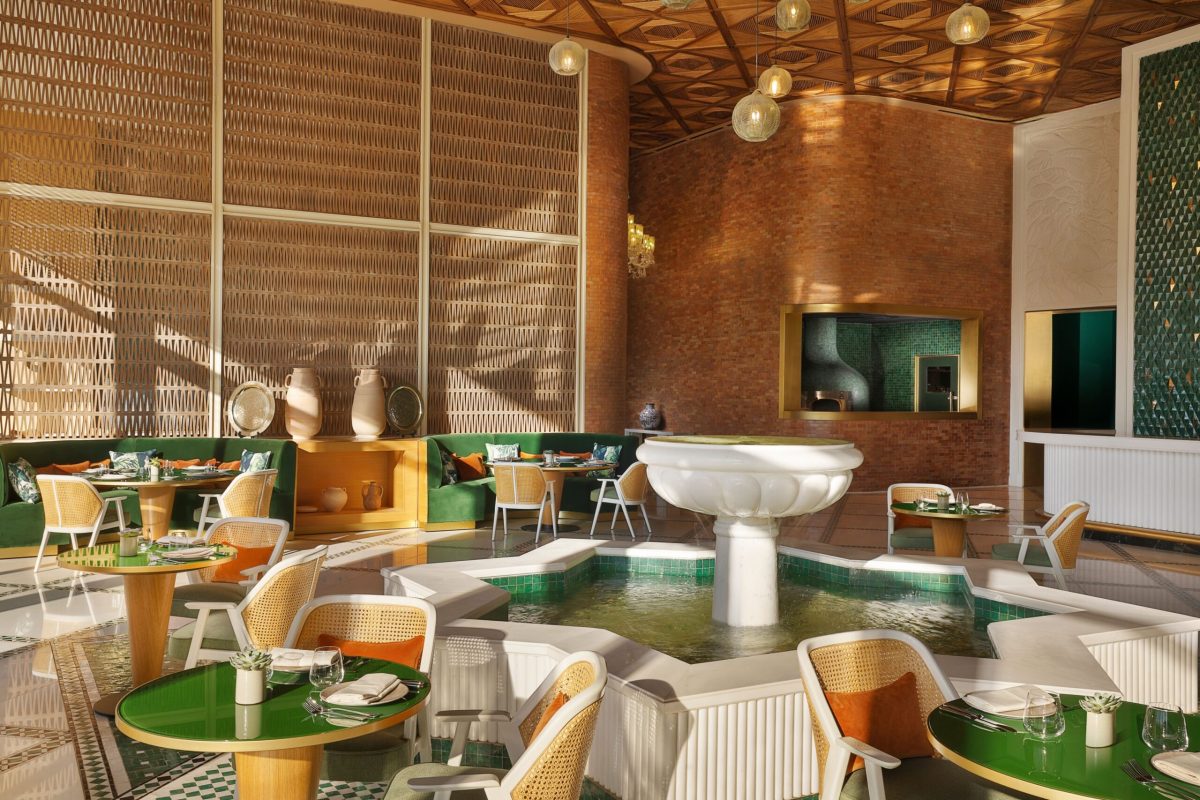
Like other storied hotel brands arriving in significant locations, the Waldorf Astoria is setting a benchmark for how luxury can integrate regional culture rather than replace it. The dining program reflects this philosophy through partnerships with world-class chefs. Peacock Alley serves as the signature Waldorf Astoria lounge concept. Aldabaran, a collaboration with French chef Alain Ducasse, anchors the fine dining scene. Brasserie Magnolia rounds out the savory options, while The Sapphire Room, a forthcoming pan-Asian venue, will soon complete the culinary lineup.
Wellness Across Two Floors
The spa operations span floors 31 and 32, treating guests to traditional Moroccan hammam experiences alongside modern wellness therapies. Six specialized treatment rooms, an Iyashi detoxification dome, heated quartz sand tables, an ice room, and sauna all occupy this wellness zone. Beyond the spa, an indoor pool, an ocean-facing infinity pool overlooking the Atlantic, a 24-hour fitness center, and a relaxation lounge complete the recovery offerings.
The timing of this opening aligns with Morocco's push to become a regional powerhouse for luxury tourism. Morocco welcomed over 18 million tourists in 2025, and officials have set their sights on reaching 20 million by 2030. Rabat, historically overshadowed by Marrakech and Fez, is positioned to play an increasingly important role in achieving that target. Infrastructure investments like improved transportation links are helping make regional hubs more accessible to international travelers.
Guy Hutchinson, President for the Middle East and Africa at Hilton (which operates Waldorf Astoria), described Morocco as one of the world's most rapidly transforming destinations. His comment captures what's happening at ground level: a country confident enough to showcase its heritage while building boldly into its future. The Mohammed VI Tower stands as proof that ambition and artistry don't have to compete. They can coexist 250 meters above sea level, offering travelers a view of Morocco that's both thoroughly modern and deeply rooted in its past.