Picture this: you're on a budget flight to Budapest, sipping terrible coffee at 39,000 feet, and you decide to stream Netflix without a single buffering wheel. This used to be a fantasy reserved for premium airlines. But Wizz Air just made it real with an announcement that could reshape how low-cost carriers operate.
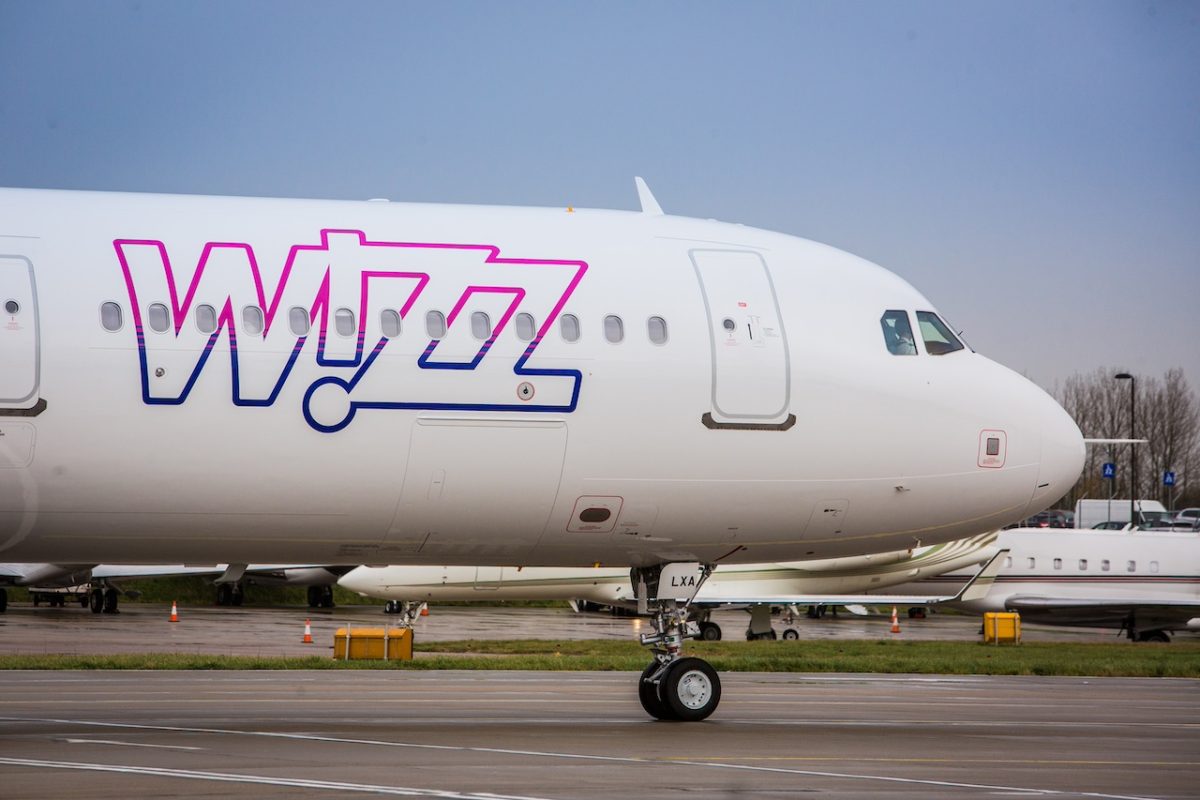
The Hungarian airline has committed to installing Starlink satellite internet across its entire fleet by 2027. Every new aircraft rolling off the production line will come equipped with the technology from SpaceX, delivering high-speed connectivity from the moment passengers board until they step into the terminal. Download a three-hour film in three minutes. Make uninterrupted video calls. Work like you're at your kitchen table. Wizz Air is framing this not as a luxury add-on but as part of its core promise to make air travel accessible to everyone.
What makes this move bold is that most budget carriers have said no thanks. Ryanair's combative CEO Michael O'Leary cited installation costs, fuel drag from the equipment, and the short duration of his flights as reasons to skip it entirely. EasyJet walked away after initial talks with SpaceX. These aren't complaints from carriers short on innovation. They're real operational concerns. Yet Wizz Air's Chief Commercial Officer Ian Malin sees things differently: "The whole point of ultra-low-cost travel has always been to make opportunities accessible to more people. In 2027, we're taking that philosophy into the space era."
There's a catch. SpaceX won't allow airlines to charge passengers extra for Starlink access, which means Wizz Air can't simply pass the cost along to travelers. They're absorbing a major investment with no direct revenue recovery. This explains why competitors are hesitant. The airline already operates 265 Airbus A320 family aircraft, with roughly 200 newer NEO models likely to receive the upgrade. That's a staggering amount of hardware to install and maintain.
Wizz Air isn't alone in the satellite internet race, though it's the first budget carrier to go all-in on a fleet-wide rollout. Singapore Airlines is bringing Starlink to the sky starting 2027, and major US carriers like American, United, Southwest, and Alaska have already signed on. In Europe, airBaltic became the first to launch service earlier this year, followed by Air France, SAS, and British Airways. The technology is spreading fast, and the competitive pressure is building.
This decision arrives during turbulent times for aviation. The Middle East crisis has driven fuel prices higher and forced route changes. Wizz Air has recently trimmed its Airbus orders and exited Abu Dhabi operations. Still, the carrier reported 26% passenger growth in May and is forecasting a solid summer season with plans to break even or post a modest profit this year. Installing satellite infrastructure takes guts when your bottom line is already under pressure.
Lufthansa Group's Eurowings may beat Wizz Air to the finish line on implementation, having announced a Starlink agreement through its parent company. But Wizz Air's public commitment to a budget-friendly, fleet-wide approach is the real statement here. This move signals that in-flight connectivity is becoming standard rather than special, even on the cheapest seats.
For travelers, the implications are huge. Budget airlines have always meant trade-offs: cheaper fares in exchange for basic service. Starlink threatens to erase one of those compromises. Whether other low-cost carriers follow Wizz Air's lead remains to be seen, but passengers will certainly be hoping they do. If connectivity is the new battleground in aviation, the budget segment just became a lot more interesting.