Ever noticed how wildly lopsided human handedness is? About nine in ten of us reach instinctively for things with our right hand. It's such a universal quirk that lefties get their own day, special scissors, and a lifetime of awkward camera angles. But where does this preference actually come from?
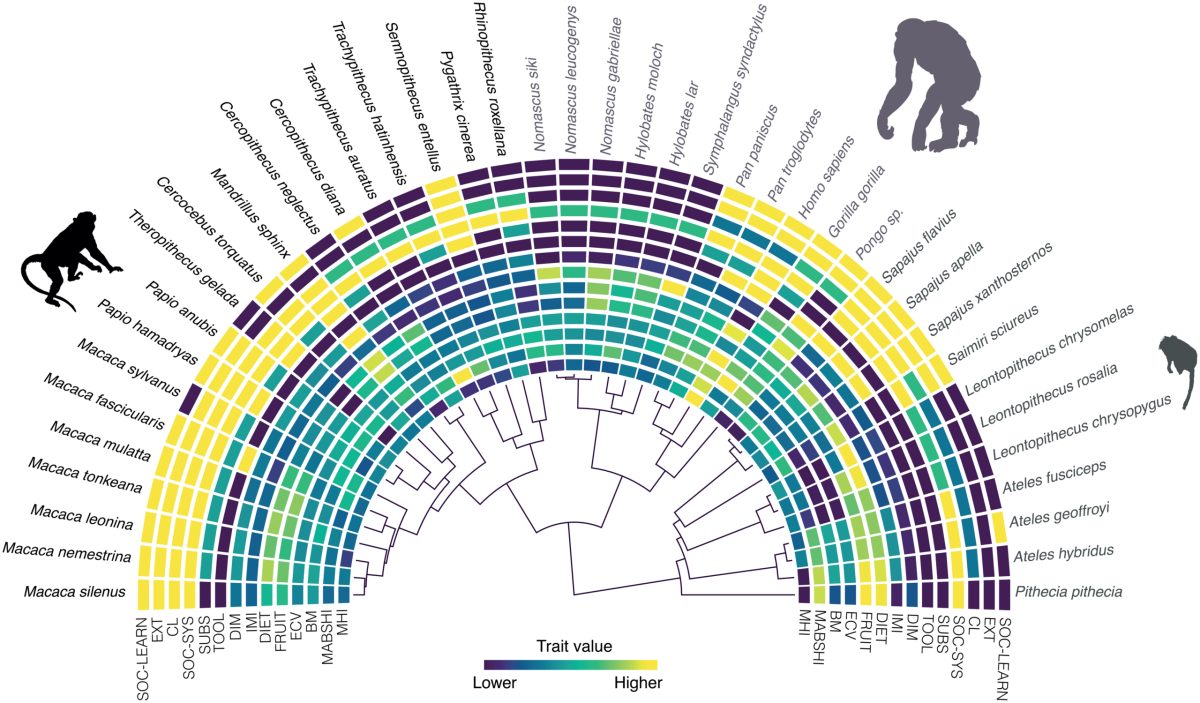
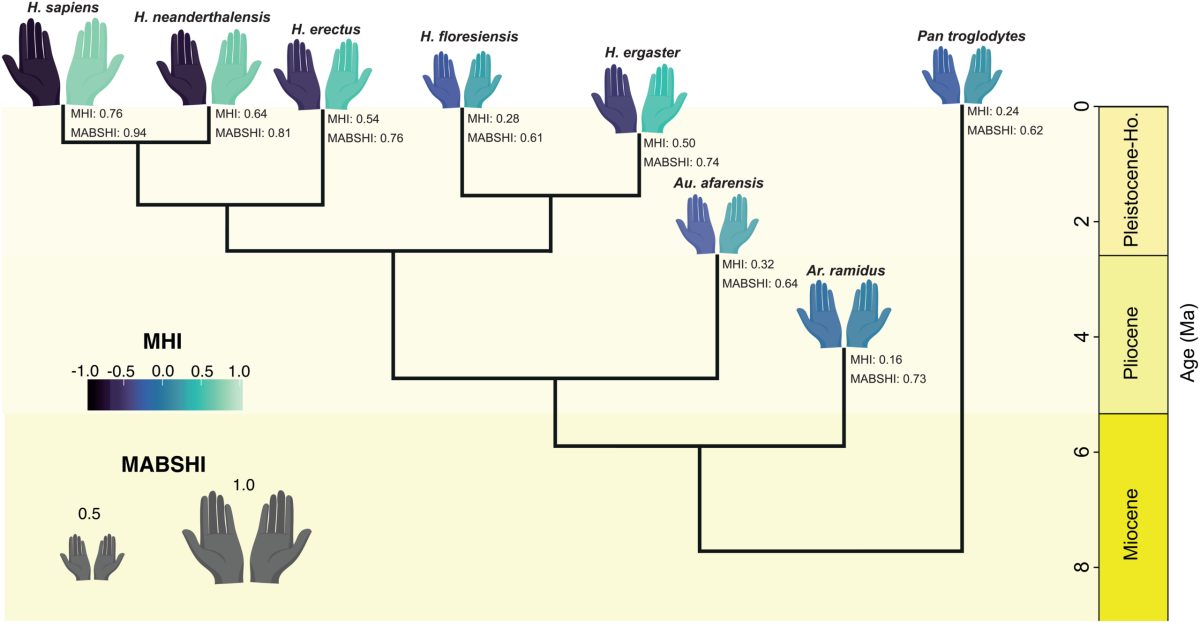
Scientists have wondered about this for ages, and now researchers at the University of Oxford may have cracked it. They tested multiple theories at once, examining handedness data from over 2,000 primates spanning 41 species of monkeys and apes. Using sophisticated computer modeling that combined evolutionary biology with physical traits, they identified two factors that matter far more than anything else: bipedalism and brain size.
How Standing Up Changed Everything
Here's the elegant part. When our ancestors ditched four-legged locomotion and started walking upright, something remarkable happened. Our hands were suddenly freed from the boring job of propelling us forward. That's when specialization kicked in. Humans who got really good at using one hand in particular for carrying things, gesturing, or manipulating tools had a survival advantage. Those genes spread. Over time, a population-wide preference emerged.
This isn't unique to humans, by the way. Other tree-dwelling primates also show strong preferences for one hand over the other, though for different reasons. Swinging through branches demands such precision and coordination that favoring one hand helps them nail those acrobatic moves. We just pivoted to using our specialist hand for completely different purposes once we weren't climbing anymore.
Then Our Brains Got Enormous
The real shift came later. When Homo sapiens emerged with significantly larger brains than our predecessors like Homo erectus or Neanderthals, right-handedness became even more dominant. Our bigger brains appeared to cement and amplify this rightward tilt. The researchers suggest that greater cognitive capacity allowed for more specialized motor control and perhaps stronger neurological preferences encoded in our expanded neural territory.
What's fascinating is that this doesn't fully explain left-handedness. About 10% of humans still prefer their left hand, and scientists remain puzzled about why this minority persists at all. The quest to understand human cognition and behavior reveals how much we still don't know about ourselves.
Culture May Be Hiding the Full Picture
Here's a complication the research team acknowledges: social pressure and education shape handedness too. Throughout much of recorded history, many cultures treated right-handedness as the morally correct or socially proper way to be. Children born left-handed were sometimes forced or coerced into using their right hand instead. That cultural overlay makes it hard to know exactly how much of today's right-hand dominance is purely biological versus learned.
The researchers suggest this is an open question worth pursuing further. How much would our true biological preference look like if we removed centuries of cultural conditioning? We may never know completely, but understanding the distinction matters for how we think about neurodiversity and human variation.
What Comes Next
The team also wants to test whether other bipedal animals followed the same evolutionary path. Kangaroos and parrots both show preferences for one side over the other. Did they develop these tendencies through the same mechanism that shaped human handedness? That's the next frontier.
For travelers interested in the quirks of human nature and how we became who we are, this kind of research reveals something worth contemplating. Every time you shake someone's hand across a border or watch how different cultures eat with different hands, you're witnessing the interplay of ancient biology and modern culture. Evolution gave us our preferred hand. Everything after that is negotiation between our genes and our societies.