Uzbekistan just posted numbers that would make most destinations jealous. Between January and June 2026, the country welcomed 6.56 million international visitors, a spike of roughly 1.3 million travelers compared to the same period the year before. That's nearly a 25% jump,the kind of growth that catches the attention of tourism boards across the globe.
What makes this worth paying attention to isn't just the headline figure. It's what those numbers reveal about a country reimagining itself on the world stage. Uzbekistan has made a ballsy bet: attract 20 million annual tourists by 2030. That would roughly double current volumes and position the nation as a serious player in global travel. For context, Portugal pulled in nearly 30 million travelers in 2025, so Uzbekistan's ambition is serious but not impossible.
The math tells you something important about tourism geography right now. Of the visitors pouring into Uzbekistan, most come from next door. Kyrgyzstan, Kazakhstan and Tajikistan account for roughly 4.9 million arrivals in that six-month window, with Kyrgyzstan alone sending nearly 1.9 million people. Russia arrived fourth on the list with 585,000 visitors. China is climbing fast, suggesting the Silk Road narrative is resonating beyond the former Soviet sphere.
Infrastructure spending is the engine
Raw visitor numbers only tell half the story. Behind them sits a sprawling government commitment to reshape tourism infrastructure from the ground up. Dozens of master plans are underway. Hotels are being built. Transport networks are getting upgraded. Visa processes have been streamlined. This isn't just rhetoric; it's the machinery of serious growth.
The government also approved a shiny new incentive in 2026: event organizers who bring conferences, forums or exhibitions with at least 100 foreign participants can recover 50% of their VAT expenses. That's a direct play for business tourism, the kind of high-spending segment that fills hotel rooms year-round and pumps money into local economies beyond the obvious tourist attractions.
Diversification beyond Silk Road heritage
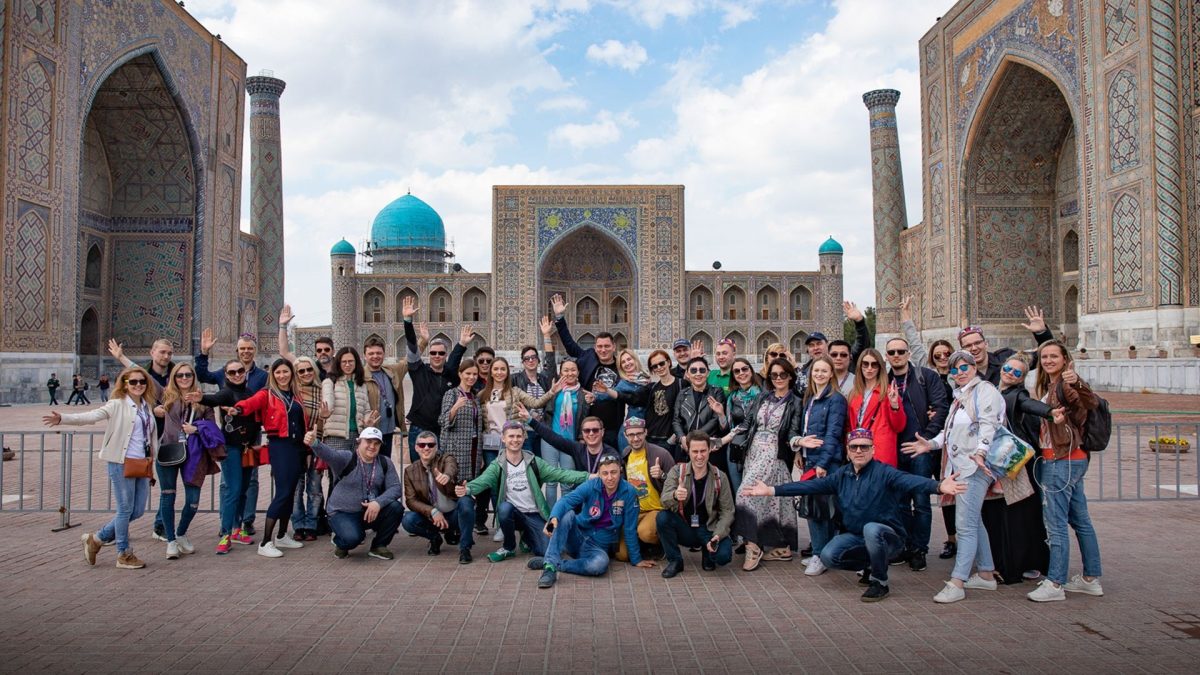
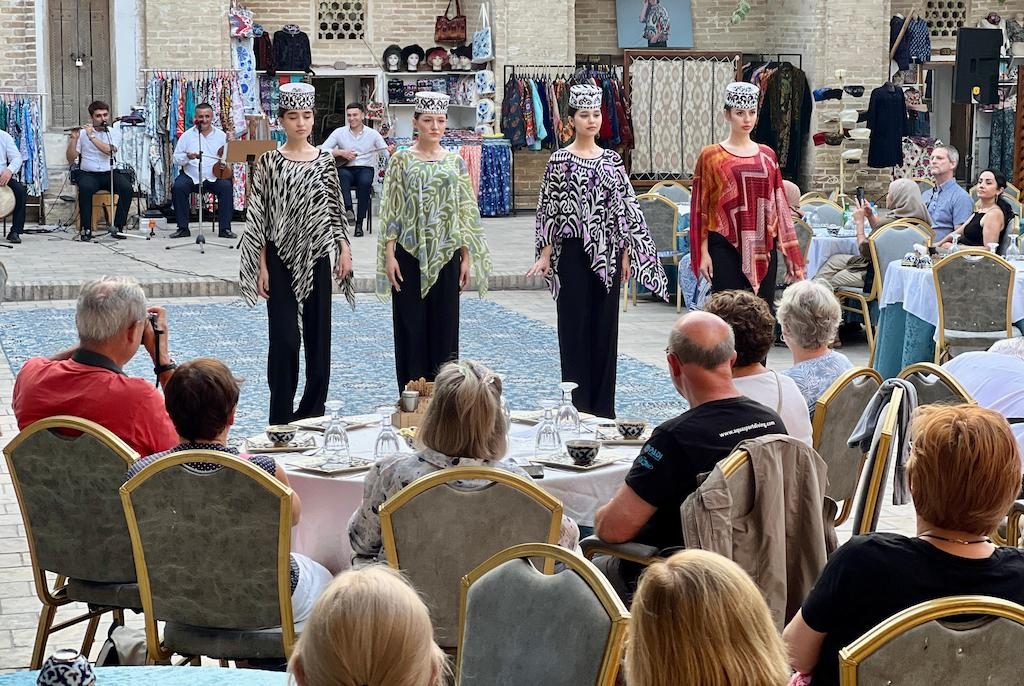
Here's where Uzbekistan gets clever. Yes, Samarkand, Bukhara and Khiva are magnificent. Their turquoise domes and ancient bazaars justify the trip alone. But the country isn't betting everything on heritage tourism. It's quietly building out ecotourism, food tourism, pilgrimage routes, sports offerings and medical tourism. The goal is simple: fill beds in winter, not just during peak season. That's how you hit 20 million annually.
The government laid out this roadmap publicly during a tourism event at their Brussels embassy in May. Officials weren't coy about the targets. They want to double the number of high-end hotel properties. They're aiming to expand room capacity to around 95,000 beds. And they're trying to grow tourism's share of national GDP from 3.5% to 7%. That last figure tells you this isn't tourism for tourism's sake; it's economic strategy.
The regional travel market that dominates arrivals also hints at something larger happening across Central Asia. These aren't budget backpackers or cruise-ship tourists. They're regional travelers with spending power, driving to visit family, explore trade opportunities, or vacation closer to home. That's a stickier, steadier source of demand than the boom-and-bust cycle of long-haul tourism.
Whether Uzbekistan hits 20 million by 2030 depends on execution. Political stability matters. Airport capacity will matter. Quality of hotels and services will matter. But the raw ingredients are in place: strategic location, genuine cultural attractions, improved infrastructure investment and a government willing to bankroll the bet. The first-half numbers suggest the momentum is real, not just optimistic forecasting. That's worth watching closely as destinations around the world grapple with overtourism and sustainability questions. 847 million tourists arrived in 2025, and where they go next could reshape entire regions. Uzbekistan is betting it gets a meaningful slice.