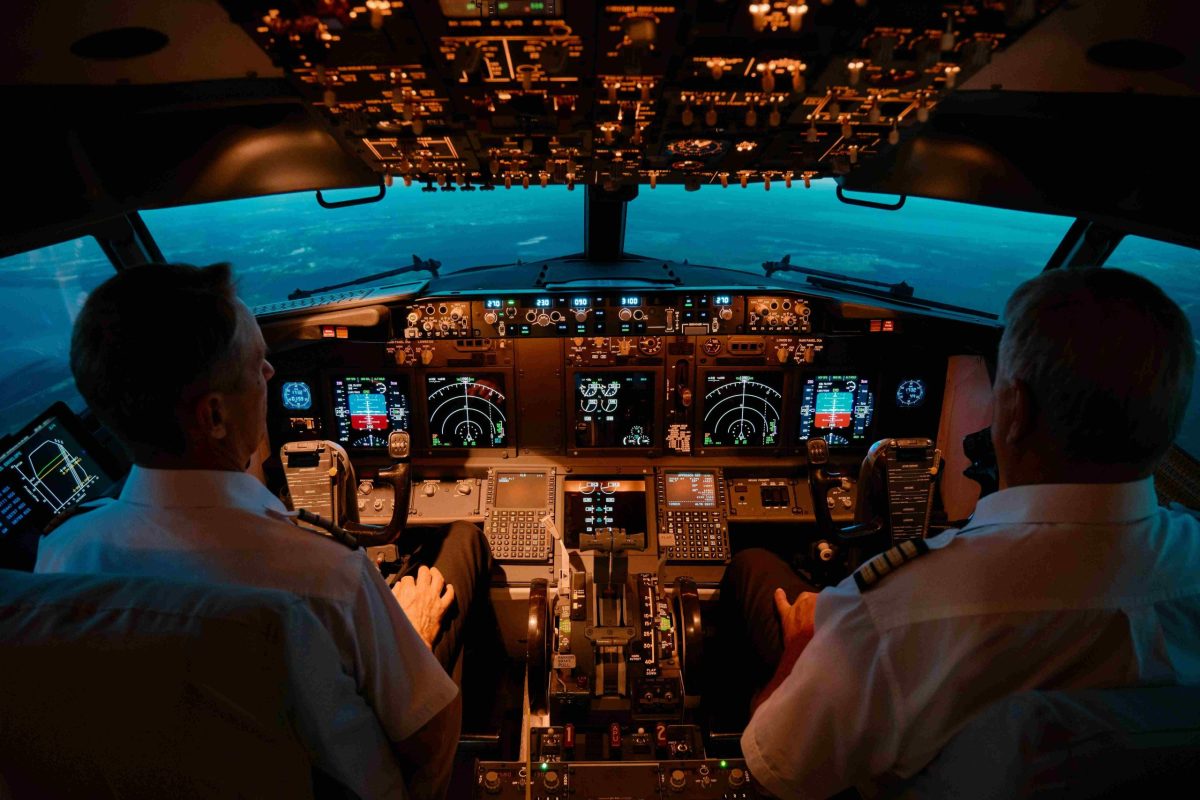
Imagine settling into your seat, fastening your seatbelt, and glancing toward the cockpit. The pilots up front are responsible for getting you safely to your destination. But a new survey suggests that, more often than you might think, those pilots are fighting to stay awake.
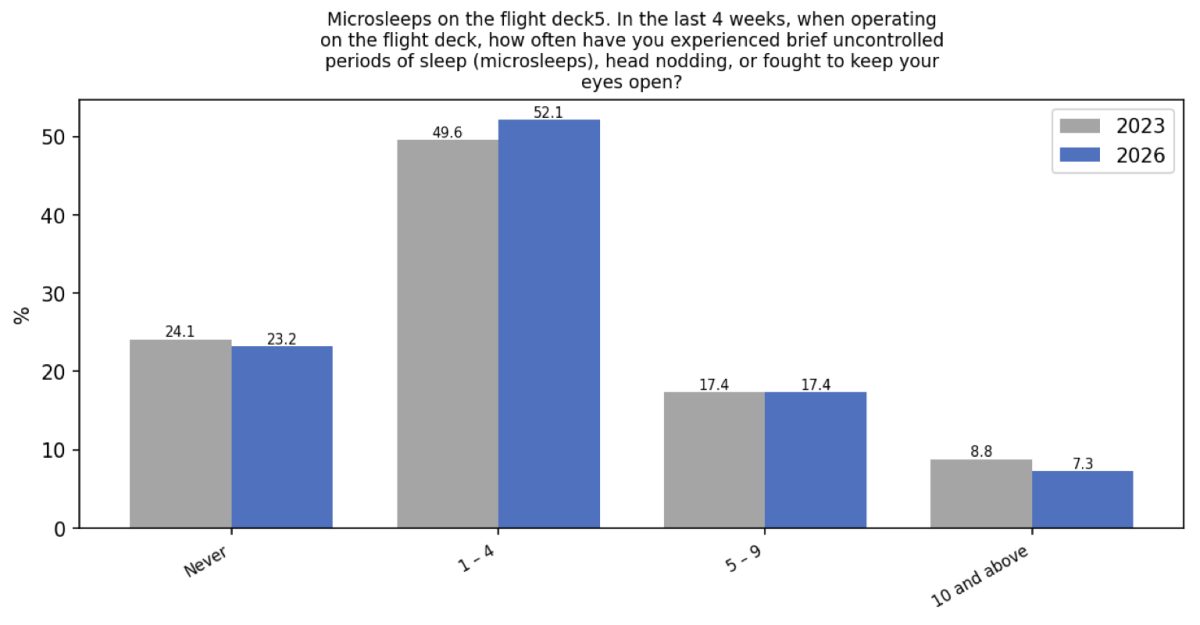
The European Cockpit Association (ECA) and aviation consultancy Baines Simmons surveyed 7,200 pilots across 32 nations. The results, published in a detailed report, paint a worrying picture. 76% of pilots admitted to having a microsleep on the flight deck in the previous month. That is not a planned rest break. It is an involuntary lapse, often lasting just a few seconds, but those seconds can be critical.
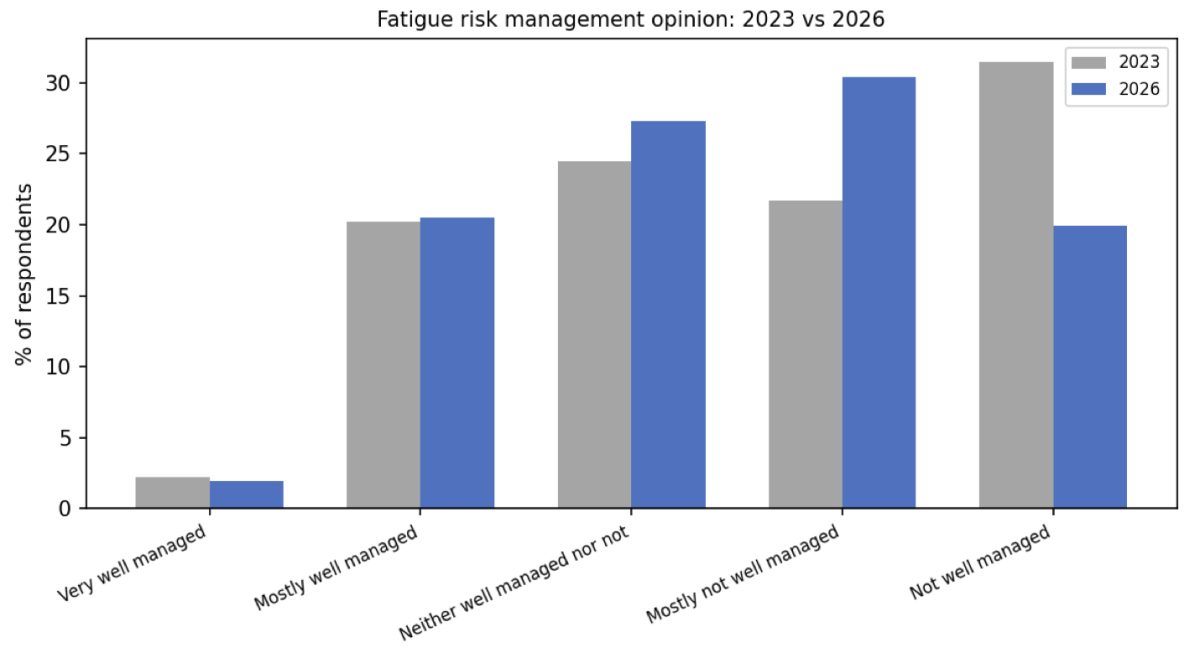
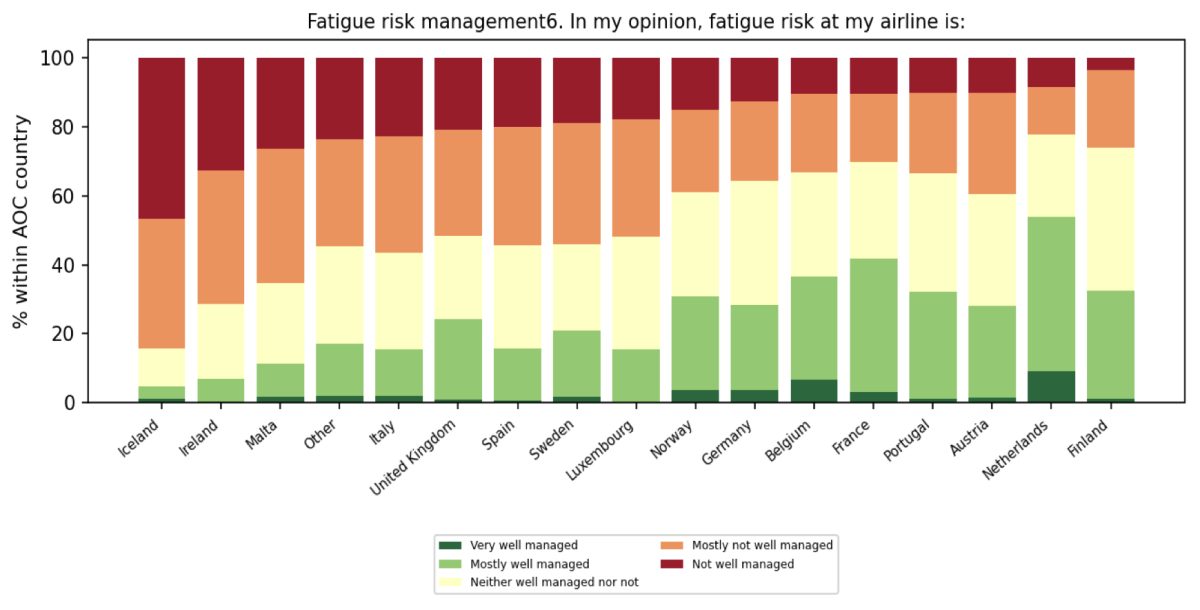
Even more concerning, over half of the pilots surveyed said they had flown while feeling too tired to do so safely. They knew they should have declared themselves unfit for duty, but they did not. Only a third said they would routinely report such fatigue. The reasons are not hard to find. Half of the pilots said they feared negative consequences from management if they reported being tired. Nearly 12% said they did not trust the reporting system itself. And a full 50% said their airline managed the safety hazard of fatigue poorly, or not at all. Just 11% said their fatigue reports had led to any operational safety improvements.
The problem is not evenly spread. Pilots flying for Spanish airlines were the most likely to say they usually fly when fatigued, with 40% admitting it. Irish and French carriers followed at 30%. British pilots fared better, with only 10% saying the same. But even that number is too high when lives are in the balance.
The ECA has called on the European Union Aviation Safety Agency (EASA) to tighten regulations and improve oversight. ECA President Captain Tanja Harter put it bluntly: the issue cannot be left to pilots alone to manage while they are on the flight deck, expected to bring passengers safely home. This is not a new problem. An EASA report from June 2026 already flagged aircrew fatigue as one of the most persistent safety concerns in the sector. A September 2025 survey by the German pilots' union, Vereinigung Cockpit, found that 93% of 900 pilots confessed to napping on duty, with 74% describing naps as standard practice.
The human cost goes beyond tiredness. A 2025 study from Ghent University, funded by the European Commission, surveyed 6,900 pilots and cabin crew. It found that 68% of air crew fall below mental health and well-being thresholds, and 78% reported feeling dehumanized. As many as 42% said their work and rest schedules were being pushed to the limit. That is a recipe for burnout, and burnout is a safety risk.
For travelers, this raises uncomfortable questions. How much do you really know about the state of the people flying your plane? The industry has made great strides in safety, but fatigue remains a stubborn weak spot. Some airlines are doing better than others, but the overall picture is grim. The ECA's message to regulators is clear: act now, before a tired pilot's microsleep turns into something far worse.
If you are a frequent flyer, this might make you think twice about your next trip. But it should also remind you that the people in the cockpit are human. They face the same pressures and exhaustion as anyone else, but with the weight of hundreds of lives on their shoulders. The next time you board a plane, spare a thought for the pilots. And maybe hope that their airline is one of the few that takes fatigue seriously.
For more on how the aviation industry is evolving, check out how green hydrogen might reshape Europe's flight paths or Sydney's new airport with cheaper flights and a 24-hour runway. And if you are worried about other in-flight surprises, read about the power bank fire that forced an IndiGo plane to land early.