For years, easyJet passengers have had to endure the digital silence of a short-haul flight, a time when the only entertainment was the safety card or a game of count-the-clouds. That era is ending. The British low-cost carrier has announced a partnership with SpaceX's Starlink to bring high-speed satellite Wi-Fi to its entire fleet, a first in the airline's history.
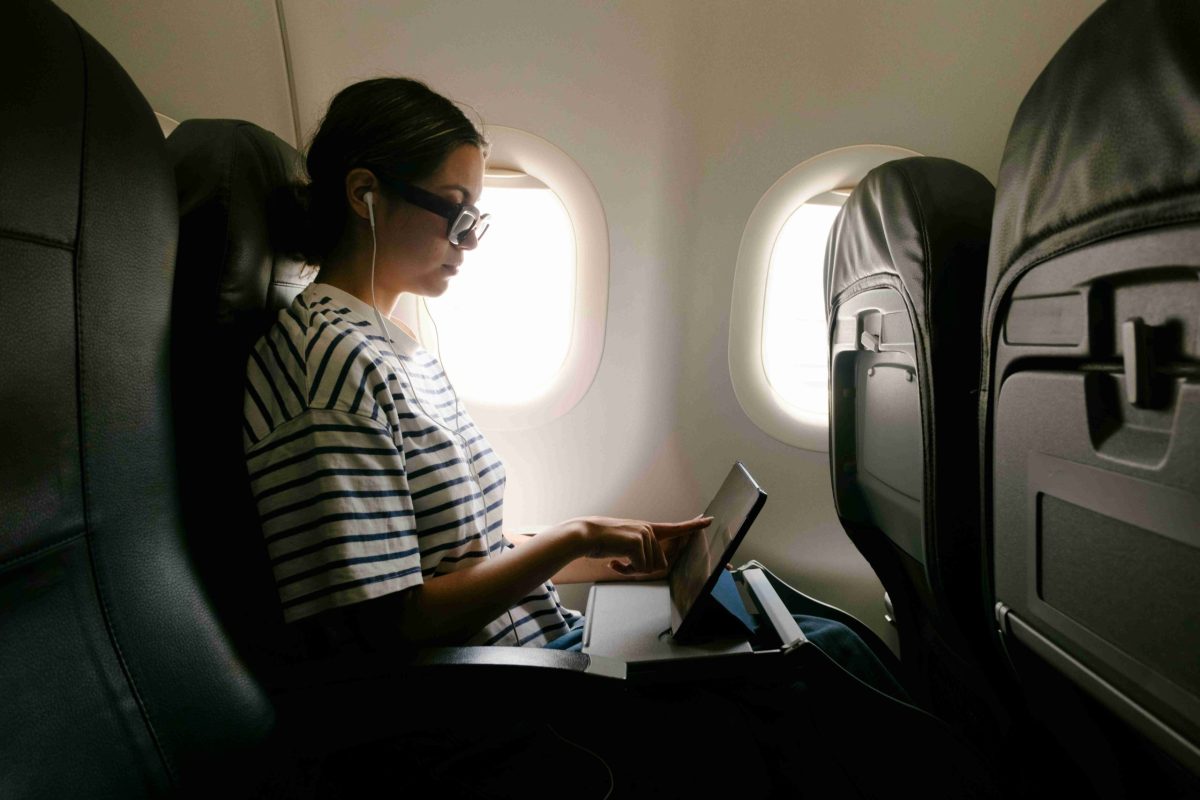
The rollout begins in the first half of 2027, with installation across all of easyJet's Airbus A320, A320neo, and A321neo aircraft. The airline expects to complete the fleet-wide upgrade by early 2028. Once onboard, passengers can connect their smartphones, tablets, and laptops to stream videos, play online games, or browse the web just as they would at home. The connection also opens up practical tools, like checking flight status on the easyJet app, or looking up weather, public transport, and tourist info at your destination before you land. You might even be able to order a snack from your seat without ever catching the cabin crew's eye.
Pricing and the first routes to get the service are still under wraps. But the move marks a major shift for an airline that carried 100 million passengers in 2025 and flies to more than 160 airports across Europe and beyond, yet never offered Wi-Fi on its short, low-cost flights. The investment is aimed at improving the onboard experience for leisure travelers while also attracting business passengers who increasingly expect to keep working in the air.
easyJet's CEO, Kenton Jarvis, says staying connected matters more than ever, from holidaymakers seeking entertainment to business travelers tracking events on the ground. He called the partnership with SpaceX "yet another way we're making travel easy." Gwynne Shotwell, President and COO of SpaceX, echoed that sentiment, saying Starlink will deliver fast, reliable connectivity from take-off to landing, allowing passengers to work, stream, or stay in touch without interruption.
easyJet joins a growing list of airlines turning to Starlink, whose low-Earth-orbit satellites offer faster and more stable connections than traditional in-flight systems. In Europe, Air France, British Airways, Scandinavian Airlines, Virgin Atlantic, and the entire Lufthansa Group, including Brussels Airlines, SWISS, and Austrian Airlines, have all signed up. Qatar Airways and Emirates have done the same in the Middle East, while United, Alaska, American, and Southwest already offer the service in the United States. Closer to easyJet's own market, airBaltic and Wizz Air have also started rolling out the technology.
With easyJet on board, high-speed Wi-Fi is no longer just for long-haul or premium flights. It's becoming a standard part of everyday air travel, even on the shortest hops. This shift could change how we plan our journeys, making it easier to stay productive or entertained from gate to gate. For travelers, the practical takeaway is simple: by early 2028, you can expect to be connected on every easyJet flight, with no more offline gaps in your European travels.
This news comes amid other changes in the aviation world, from new security measures at Copenhagen Airport that caused delays to a recent incident where a text message grounded a United flight. But for easyJet passengers, the future looks brighter and more connected.
As the airline industry evolves, it's not just about getting from A to B anymore. It's about how you spend that time in the air. With Starlink's promise of fast, reliable connectivity, easyJet is betting that staying online will become as essential as a seatbelt. And for travelers who like to plan ahead, this could also mean checking the latest updates on your destination before you even land, a small but welcome convenience.