Greenland keeps getting easier to reach, and that's saying something for a territory where icebergs outnumber roads. The latest milestone is a brand new international airport in Ilulissat, the country's third city on the west coast, roughly 250 kilometers north of the Arctic Circle. It's the final piece of a two-year airport expansion that has already transformed how visitors and locals move around this vast, sparsely populated island.
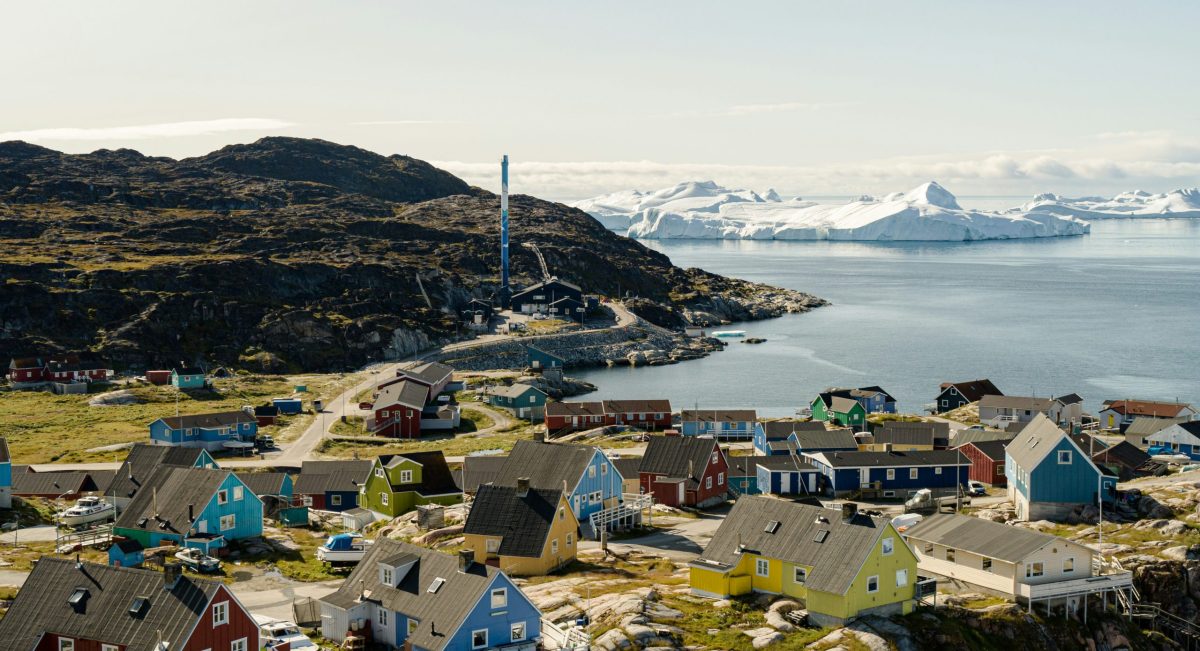
Ilulissat is no ordinary town. With about 5,000 residents and more than 2,000 sled dogs, it sits beside a UNESCO World Heritage landscape of jaw-dropping icebergs calving from the Sermeq Kujalleq glacier. The new 2,200-meter runway can handle select widebody aircraft with light to medium loads, including the Airbus A330-800 Neo and Boeing 737-800 under specific conditions. That means direct flights from Copenhagen now land here once a week, every Wednesday, with extra services during the Christmas and New Year rush and more departures starting in spring 2027.
Air Greenland launched the first scheduled services on opening day, connecting Ilulissat to Nuuk, Aasiaat, Qaarsut, and Upernavik domestically, plus the Danish capital internationally. Icelandair also plans seasonal flights from Keflavik between June and October 2027. For travelers, this opens up a region of colorful timber houses, a deep fishing and hunting heritage, and the rich marine life of Disko Bay, where humpback whales often surface just offshore.
The airport project has been years in the making, and local leaders are thinking long term. Jens Wittrup Willumsen, Chairperson of the Board of Greenland Airports, put it plainly: "Infrastructure is a long-term investment, and its real impact is measured in decades. With the three new airports, Greenland has a foundation that future generations can build on." He also acknowledged the balancing act many destinations face, saying the task now is to ensure the facilities benefit the entire country, including smaller towns and settlements around the airports.
Jens Lauridsen, CEO of Greenland Airports, predicted the three hubs would "fundamentally change how the country is connected internally and how Greenland is connected to the rest of the world." That's no exaggeration. Before 2024, Greenland had just one international airport, and reaching Ilulissat meant a connecting flight from Nuuk or a long coastal voyage. Now, the Arctic is suddenly on the map for a wider circle of travelers.
Linda Kleist, CEO of Visit Greenland, called the launch "another important milestone" and highlighted new opportunities for tourism across the regions. But she also struck a cautious note: "Infrastructure alone does not create lasting value. What matters is how we build on these opportunities together, strengthening local businesses, creating opportunities across our communities, and shaping tourism development that respects our nature, culture and way of life." That's a sentiment worth holding onto as visitor numbers climb.
Greenland's growing connectivity comes at a politically charged moment. US President Donald Trump has repeatedly expressed interest in acquiring the territory from Denmark, and in September 2026, Denmark and Greenland signed a deal with the US to improve Arctic security amid concerns about Chinese and Russian activity. The European Commission also announced a €200-million Global Gateway Partnership Package for 2026-2027, with Ursula von der Leyen assuring that "Greenland can count on the EU." Trump, never one to let an opportunity pass, posted an AI-generated image of the new Ilulissat airport as a US facility with an American flag flying above.
For travelers, the practical takeaway is simple. Ilulissat is now a viable gateway to Greenland's west coast, not just a stopover. Whether you're here for the midnight sun, the dog sledding, or the sheer scale of the ice, the new runway cuts travel time and opens up itineraries that were once logistically daunting. And with Copenhagen's airport already dealing with security delays that made 550 people miss their flights, it's worth planning connections carefully. But that's a separate headache. For now, Greenland's iceberg capital has its wings.