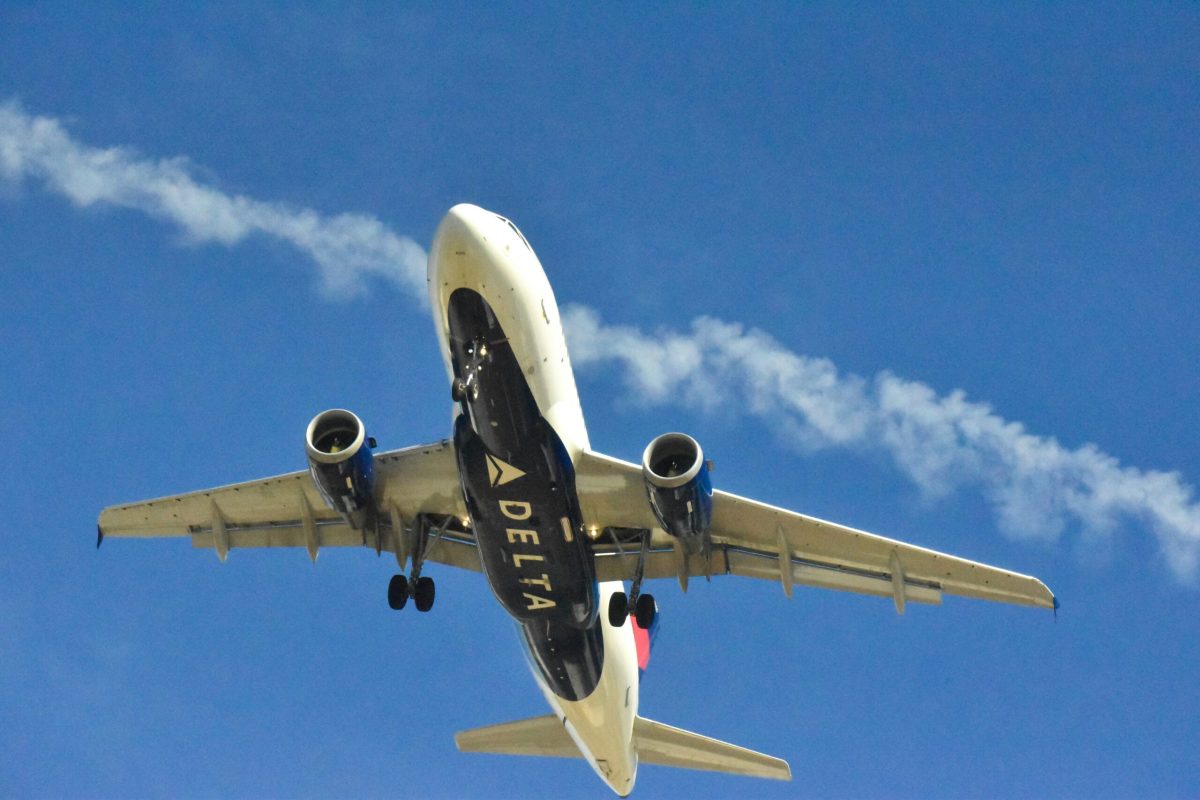
The scene was set for celebration. Across Chicago on Saturday, July 4, 2026, families lined rooftops and yards to send fireworks skyward in honor of American Independence. But at 200 feet above the ground, pilots of Delta Flight 1076 were about to experience an Independence Day they'd never forget.
The aircraft, inbound from Atlanta's Hartsfield-Jackson Airport with 58 people on board, was cleared to approach Chicago Midway International Airport around 8:30 p.m. Air traffic controllers had already issued a cautionary warning: multiple homes near the landing zone were firing off fireworks. The crew acknowledged and continued their descent. Then came the call that would define the evening.
"We just had a firework hit our plane," one pilot reported to the tower, his voice steady but unmistakably tense. "We're just hoping it was just a mortar that went off underneath but definitely felt a big bang." The impact was real enough that even the crew couldn't be certain what had struck them. That moment, captured in audio recordings and shared widely, exposed a vulnerability few travelers think about: the risk of low-altitude fireworks during holiday season airport approaches.
What could have been catastrophic turned out to be contained. The aircraft touched down safely at Midway, and inspections revealed only minor paint damage. All 52 passengers and six crew members emerged unharmed. The Federal Aviation Administration immediately launched an investigation, while the Chicago Police Department assessed the situation. For the people on that flight, the landing marked the end of a genuinely unsettling experience. For aviation authorities, it raised urgent questions about holiday safety protocols.
The Delta incident wasn't alone that night. Roughly 15 minutes later, Southwest Airlines Flight 223 from Denver received a darkly humorous welcome from the control tower: "Welcome to the war zone." The crew's wry response ("That's reassuring") captured the gallows humor that sometimes emerges when safety systems face real stress. Air traffic controllers reported multiple incidents throughout the evening, with some expressing frustration about their limited power to intervene. As one controller noted on the recorded tapes, "They said they would notify the Chicago police, but you know, I don't know what they'll do, right?"
The Chicago incidents weren't isolated to America's skies. Across the Atlantic in Brussels, a U.S. Embassy Independence Day celebration at Cinquantenaire Park drew 8,800 guests but left unexpected damage in its wake. The roof of the Royal Museums of Art and History showed scorch marks, and decorative friezes bore impact damage. Belgium's Federal Buildings Authority launched an inquiry, raising questions about whether official fireworks displays receive the same scrutiny as backyard celebrations.
U.S. Ambassador Bill White responded on social media, stating that the embassy was "in immediate contact with the Belgian company" hired to coordinate all event logistics, including the contracted fireworks company. White posted photos of Cinquantenaire Park post-cleanup, defending the embassy's conduct. The tension between celebrating national holidays and protecting shared historic spaces highlighted a rarely discussed side of international diplomacy.
For travelers, these incidents serve as reminders of unexpected risks during peak holiday travel seasons. The Fourth of July, New Year's Eve, and similar celebrations drive millions of people through airports worldwide. If you're planning to fly during major holiday weekends, particularly near urban centers with organized fireworks displays, consider booking afternoon departures instead of evening arrivals. Peak airport times during summer holidays already strain operations, and weather or safety incidents add further delays.
The Delta crew's quick thinking and the aircraft's structural integrity prevented disaster, but the incident exposed gaps in communication between holiday revelers and airport operations. Most civilians setting off fireworks in residential neighborhoods near major airports simply don't realize the danger they create. Air traffic control towers can issue warnings, but enforcement remains a gray area involving multiple agencies with competing priorities. As one controller's comment made clear, coordination between local law enforcement and aviation authorities isn't always seamless.
What happened over Chicago on July 4th wasn't a failure of aviation safety systems. The plane landed safely. No one was hurt. Damage was minor. But it was a visible crack in an assumption many of us make when traveling: that the airspace above our cities is separate from the celebrations happening below. That night, those two worlds collided in a way that reminded airport officials, pilots, and yes, travelers too, that safety always sits at the intersection of planning, communication, and luck.