
The obesity drug revolution is real. Semaglutide and tirzepatide have moved from clinical footnotes into dinner conversations, boardroom discussions, and viral social media moments. People are talking about these medications everywhere, reshaping how they think about food, health, and their bodies.
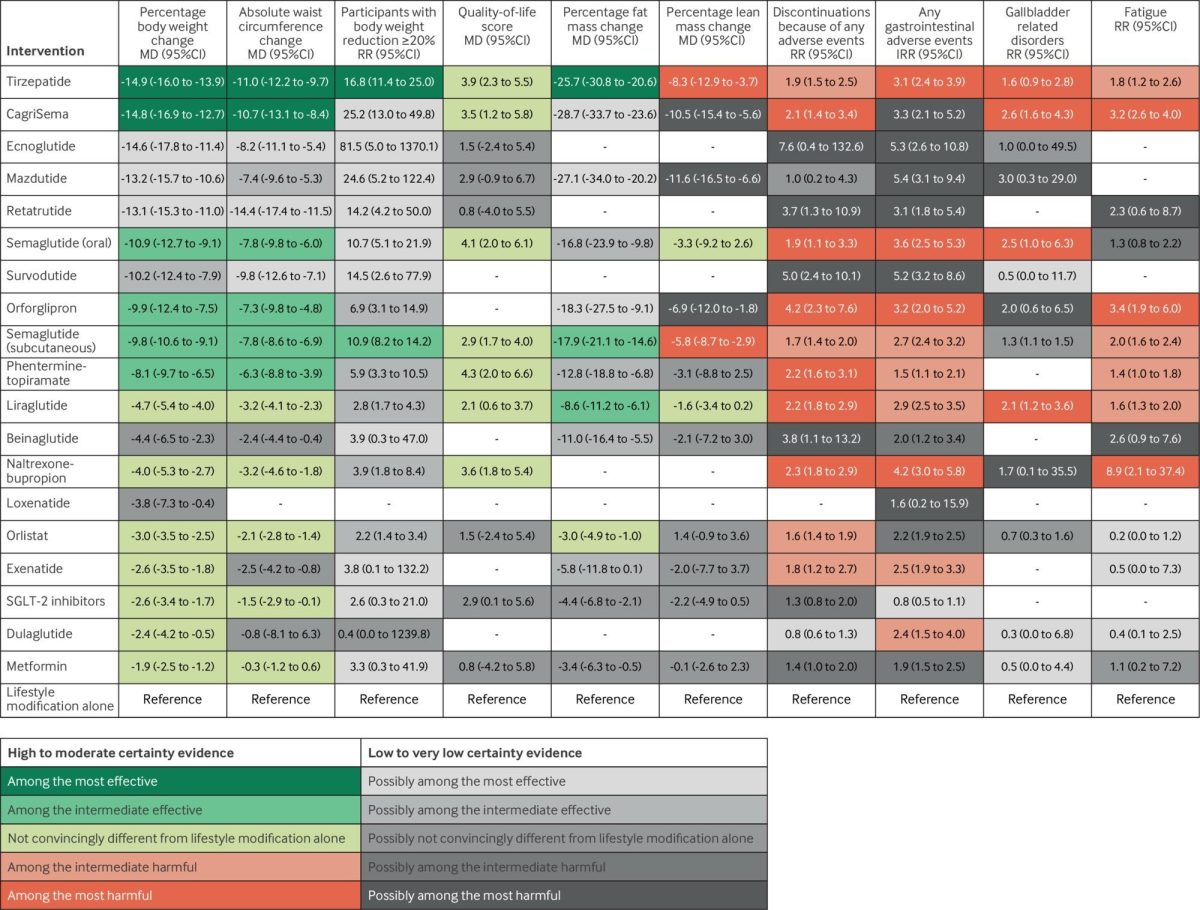
But a comprehensive review published in The BMJ of 262 randomized trials involving nearly 100,000 participants offers a sobering message for anyone expecting a simple outcome: weight loss does not automatically translate into a better life. Some medications delivered substantial reductions in body weight, but most showed no meaningful improvement in quality of life measures. Even worse, greater weight loss came paired with more side effects, higher dropout rates, and sometimes loss of muscle mass.
For the travel industry, this matters enormously. Airlines, hotels, cruise operators, and destination marketers have begun positioning themselves around this trend. But they may be chasing the wrong opportunity entirely.
Why travel companies are getting this wrong
Travel hinges on physical comfort, confidence, and freedom of movement. For some travelers taking these medications, weight loss might make a long-haul flight feel less daunting, a walking tour more appealing, or an adventure activity finally achievable. That's real and valuable.
The problem is assuming that's the only story. A traveler could lose weight but still contend with gastrointestinal side effects, crushing fatigue, treatment burden, and reduced muscle mass. They might still need flexible itineraries, scheduled rest days, accessible transportation, medical guidance, and careful handling of food and medication.
The industry has historically framed this through an operational lens: lighter passengers, narrower seats, reduced costs. The BMJ findings suggest a different path forward. Smart travel operators already understand that inclusive design isn't something to eliminate when passenger profiles shift. It's something to expand.
What hotels and airlines should actually be investing in
Comfortable seating, clear information about mobility and accessibility, non-stigmatizing service, flexible dining options, and easy access to medical support aren't becoming obsolete. They're becoming table stakes. GLP-1 use may change which travelers arrive at your destination or board your plane, but it won't remove the need to serve people with different body sizes, health conditions, and physical stamina.
The opportunity isn't to shrink accommodations. It's to rethink them entirely. The world's best hotels understand this already. They design for humans, not averages.
A new frontier in medical tourism, but with real risks
Weight-loss medicines are opening a new travel category. Patients increasingly travel for bariatric surgery, cosmetic procedures, and affordable healthcare abroad. As GLP-1 access expands, expect travelers seeking consultations, prescriptions, follow-up care, and post-weight-loss procedures in foreign countries. Some destinations will develop integrated programs combining medical oversight, nutrition coaching, exercise, mental health support, and recovery.
Here's the catch: weight regain after stopping treatment is a serious concern. Operators marketing short-term weight-loss packages as transformative experiences risk creating disappointed travelers and reputational disasters. Any travel business entering this space needs credible clinical partners, transparent pricing, honest claims, and robust aftercare pathways.
Food tourism gets subtly reimagined
Appetite suppression changes how people experience food while traveling. Some travelers will want smaller portions, lighter menus, protein-forward dishes, or alcohol-free experiences. Others will want to participate in culinary culture without overconsumption, making tasting menus, shared plates, and flexible dining formats suddenly essential.
This doesn't kill food tourism. It transforms it. Wellness-focused destinations are already making these shifts, and they're thriving. Instead of abundance, focus on storytelling, producer connections, local provenance, and sensory experience. Design hospitality that welcomes travelers whose relationship with food is evolving without making them feel singled out or judged.
The travel industry's instinct to capitalize on this trend isn't wrong. But jumping to conclusions about lighter passengers and simpler operations misses the actual opportunity. The real winners will be operators thoughtful enough to serve real humans with real, complex needs.