Airport terminals can feel like sensory overload even for seasoned travellers. For many people with autism, the combination of crowds, unpredictable timings, unfamiliar procedures, and loud environments makes flying feel impossible. Research from AutismTravel.com shows that around 78% of autistic individuals hesitate to travel or visit new places altogether. For them, the airport itself becomes the barrier to exploring the world.
Emirates decided to tackle this head-on. Rather than offering generic advice or vague promises, they created something practical: a chance to walk through a real airport before you fly. The airline calls these "Travel Rehearsals," and they've been rolling them out globally since 2025.
From Dubai to Six Continents
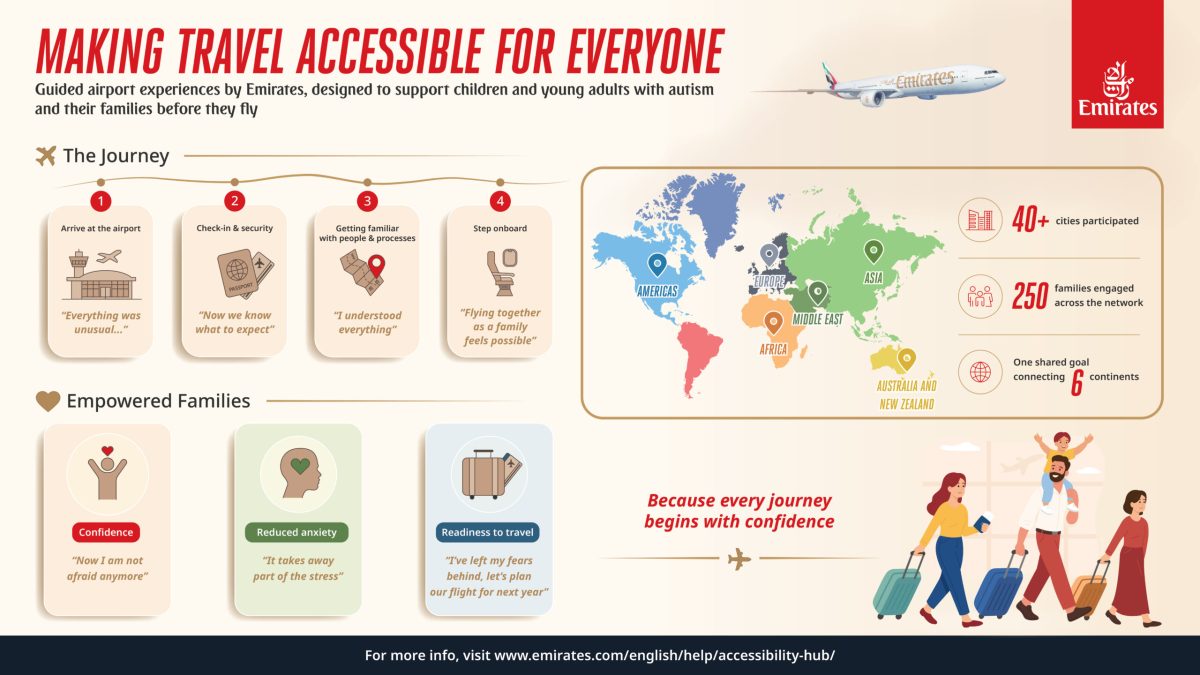
The idea started in Dubai with positive early results. Families, schools, and autism organisations gave feedback that made it clear this approach worked. So Emirates' Office of Accessibility and Inclusion turned it into an official programme and began deploying it worldwide. In just over a year, they've arranged more than 40 of these rehearsals across major hub cities including London, Paris, Barcelona, Hong Kong, Sydney, Toronto, and Vienna.
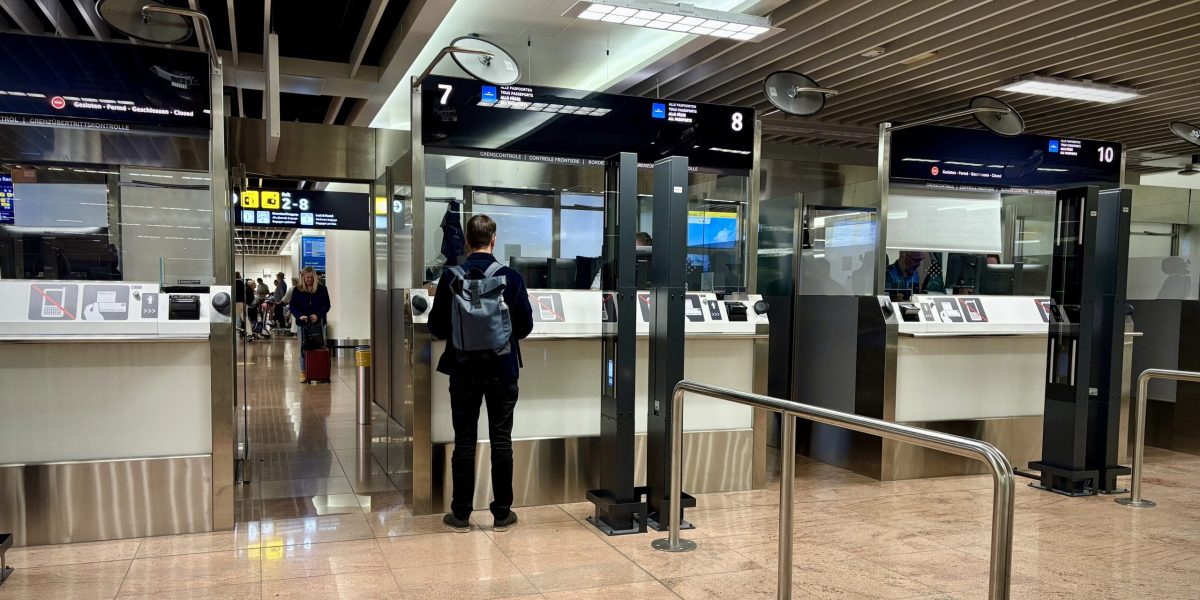
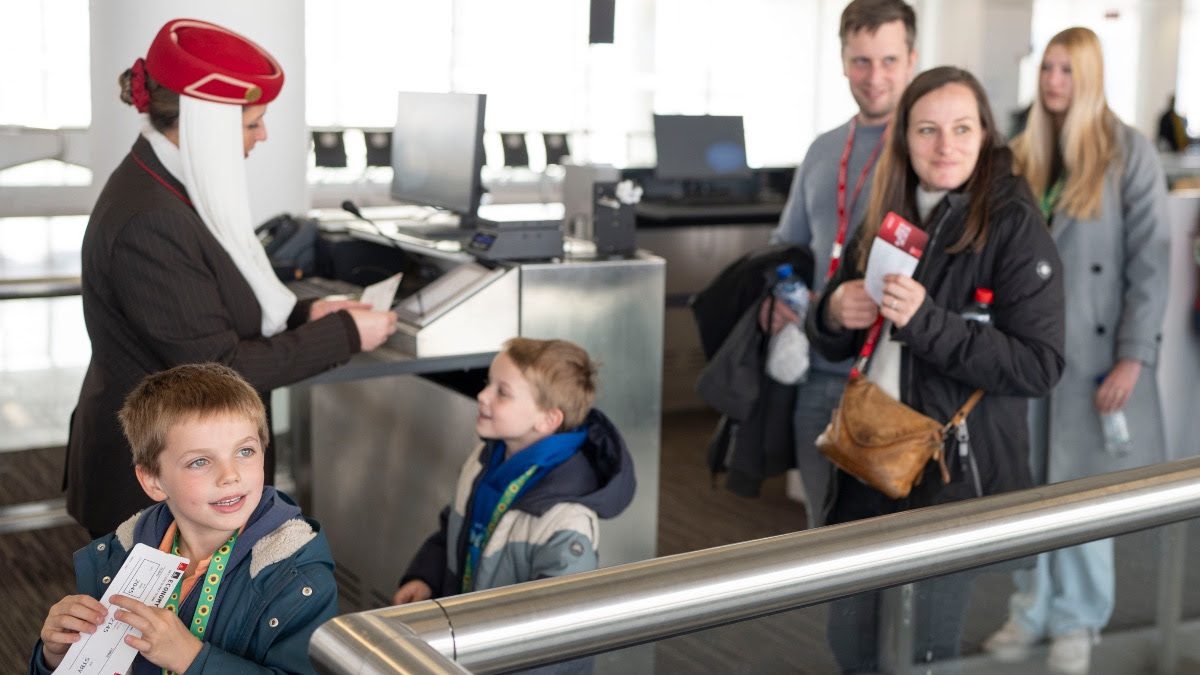
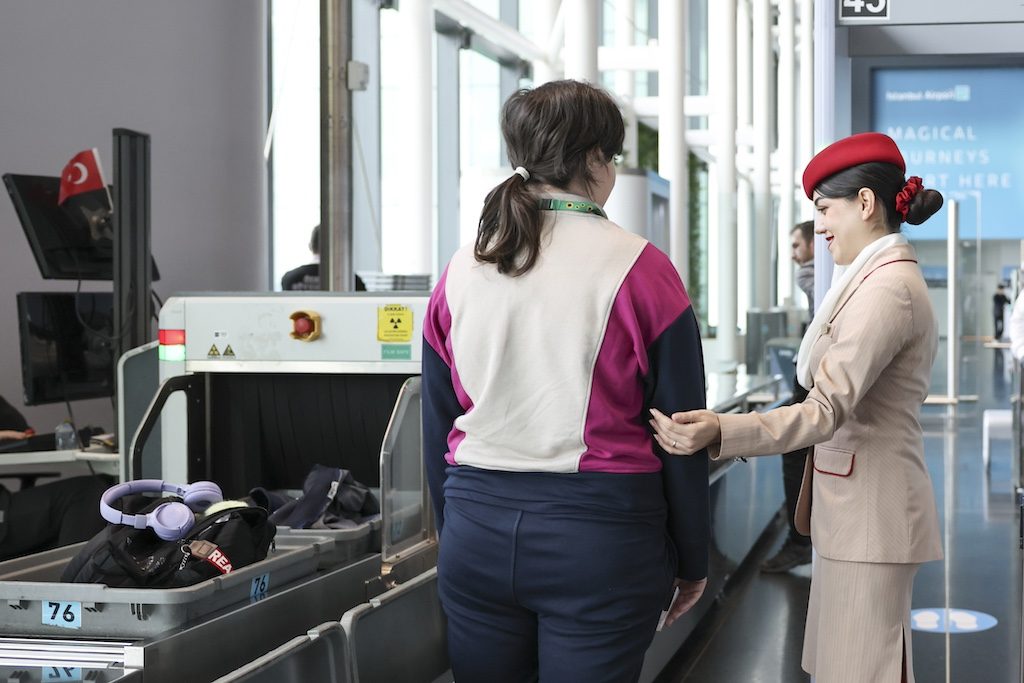
The latest launch happened at Brussels Airport on World Autism Day, in partnership with Centrum kLIM. Five children with autism and their families spent the day walking through every step of real airport procedures: check-in desks, immigration lines, security screening, duty-free shopping, boarding gates, baggage reclaim, and customs. They weren't watching videos or reading pamphlets. They were physically moving through the airport with staff who understood what they needed.
What Actually Happens During a Rehearsal
A Travel Rehearsal isn't a quick tour. It's a full walkthrough of the passenger journey. Participants practice checking in, dropping baggage, moving through immigration and security checkpoints, and navigating retail and dining areas. They receive mock boarding passes and meet the uniformed staff they'll encounter on actual flights. Some airports even arrange access to real aircraft so children and young adults can see where they'll be sitting.
The structure matters. Predictability and planning are critical for many autistic travellers. By rehearsing the exact steps in the actual environment, participants build confidence and reduce the fear of the unknown. It's learning through doing, not through explanation.
Over 35,000 Emirates staff have been trained specifically to support passengers with autism. They work alongside airport authorities, border control teams, security personnel, and local schools to ensure each rehearsal feels supportive rather than stressful. That coordination across multiple organisations is what makes this work: it's not just the airline, but entire airports retooling how they think about accessibility.
A Growing Movement
The numbers tell the story. More than 250 families across six continents have participated in Emirates' Travel Rehearsals. Each one represents a family that now has more options, more independence, and more confidence. Sami Aqil Abdullah, Senior Vice President of Emirates Airport Services, noted that the programme has achieved success through collaboration. "We will continue to amplify this success with more locations, more teams involved, and more families positively impacted and empowered to fly with confidence," he said.
Brussels Airport's Chief Passenger Officer, Sylvie Van den Eynde, emphasised the broader point: "Inclusive travel is not an exception for us. It's an integral part of how we welcome people at the airport." The airport also participates in the Sunflower programme, which identifies passengers with invisible disabilities who need extra support using a discreet lanyard.
This approach extends beyond what happens at the gate. Modern airports are becoming more complex, with expanded shopping, dining, and entertainment options that can overwhelm anyone unfamiliar with the space. For autistic passengers, advance familiarity with these areas transforms the experience from frightening to manageable.
Emirates became the world's first autism-certified airline, but this programme shows the difference between certification and action. Real change happens when staff are trained, procedures are clearly laid out, and families get to practice in the actual environment they'll face. The rehearsals remove the guesswork and replace it with knowledge.
For families who've avoided travel for years, these rehearsals open a door. They make it possible for autistic children and young adults to see that flying, though different from everyday routines, is learnable and achievable. That's not a small thing. That's what gets families on planes to see family across the world, to explore new countries, to participate in life beyond their immediate geography.