Bulgaria is done being the budget option. After decades of positioning itself as the affordable alternative to pricier European getaways, the southeastern Balkan nation is making a quieter, more strategic move: convincing travelers that it's worth visiting not because it costs less, but because there's genuinely nowhere else quite like it.
The numbers support this shift. Spa and wellness tourism in Bulgaria jumped 15% in recent years, a surge that's helping distribute visitor spending across the calendar and creating jobs in regions that needed them. The country's euro adoption and expanded air connections have made the logistics smoother too. But the real advantage? Bulgaria sits on over 700 mineral springs scattered across its mountainous terrain, giving it a natural claim on the booming wellness market. Europe's wellness tourism sector is valued at nearly 759 billion euros globally, and Bulgaria wants its slice.
"The question shouldn't be whether Bulgaria is cheap," Tourism Minister Irena Georgieva said recently. "It should be whether Bulgaria is worth visiting. And I believe more Europeans are saying yes." That confidence matters. It signals a destination shedding its old identity.
Where Healing Waters Meet Ancient Tradition
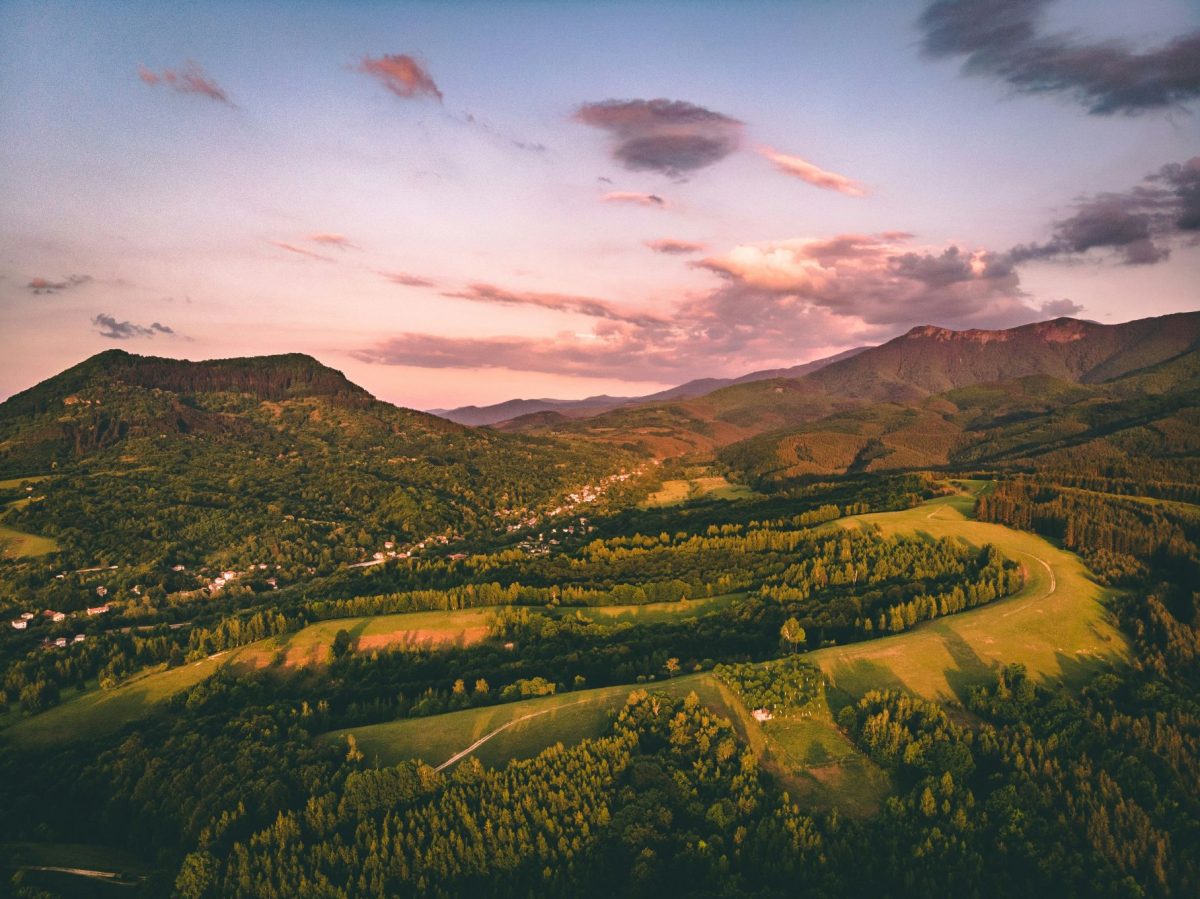
Velingrad, nestled in the Rhodope Mountains, has emerged as the spa capital. Sandanski in the southwest follows close behind. Both towns rely on the same asset: mineral-rich water that locals have believed in for 4,000 years. The Thracians, who inhabited this region in antiquity, are credited with first discovering the healing properties of these springs. That's not folklore marketing (though Bulgaria is leaning into that too). It's history with therapeutic legitimacy.
Today, wellness facilities dot the country. You'll find luxury spas in mountain towns, modern facilities in coastal regions, and everything between. The experience ranges from traditional thermal baths to contemporary wellness resorts, many still priced well below what you'd pay in Austria or Switzerland for comparable treatment.
A Festival Calendar Built for Foodies and Culture Seekers
Bulgaria has declared 2026 its Year of Cultural Tourism, and it's backing the proclamation with a year-round calendar of celebrations that blend food, music, heritage, and local pride. These aren't manufactured events designed for Instagram. They're genuine festivals rooted in what Bulgarians actually grow, cook, and celebrate.
May kicks off the festival season in earnest. The Banitsa Festival in northwestern Bulgaria pits home bakers against each other, celebrating the country's most iconic pastry: thin dough layers filled with feta, eggs, and yogurt (though meat and spinach versions exist too). Same month, Plovdiv hosts its Wine and Gourmet Festival across historic venues, showcasing native Bulgarian grape varieties that rarely appear on Western wine lists. Wine enthusiasts will find this particularly rewarding.
Zlatograd's Rotisserie Grill and Bagpipe Festival runs for four days in May, featuring a specific kind of Bulgarian bagpipe that once traveled on NASA's Voyager spacecraft. Yes, really. The voice of Valya Balkanska, the Balkan folk queen, is literally out in space, and her music comes alive at this festival. It's the kind of cultural specificity that transforms a festival from tourism product into something genuinely worth planning around.
Flowers, Fruit, and Everything in Between
The Rose Festival, now in its 123rd year, unfolds across Kazanlak and surrounding villages in May and June. The Rosa Damascena, the Bulgarian oil-bearing rose, has shaped this region's identity for centuries. The festival brings dance, music, art, and athletic events, concluding with the coronation of the Rose Queen. It's pageantry with roots, not costume theater.
Late June brings the Cherry Festival to Kyustendil, known locally as the Orchard of Bulgaria. The Black Sea coast fires up its Fried Sprat Festival in June, where cold beer and fresh sea fish define summer evenings overlooking the water. July's Blueberry Nights caters to foragers and hikers. Then come plum festivals, tomato festivals, yogurt festivals, and more stretching into autumn. Food drives the calendar here, and each celebration reflects what the region actually produces and eats.
Better Infrastructure, Higher Ambitions
Bulgaria's infrastructure improvements matter in ways that go beyond convenience. Better air connectivity means more European travelers can reach Velingrad or Plovdiv without routing through other hubs. The euro adoption simplified pricing and payments for EU visitors. These changes, paired with wellness demand and cultural tourism promotion, signal a destination confident enough to stop competing on price and start competing on experience.
For travelers seeking wellness that carries historical weight, gastronomy rooted in what grows locally, and cultural experiences that feel authentic rather than polished for visitors, Bulgaria is no longer a secondhand choice. It's becoming a deliberate one. The boom in spa tourism isn't just creating jobs or spreading visitor spending. It's reshaping how Bulgaria sees itself and how savvy travelers should see it too.