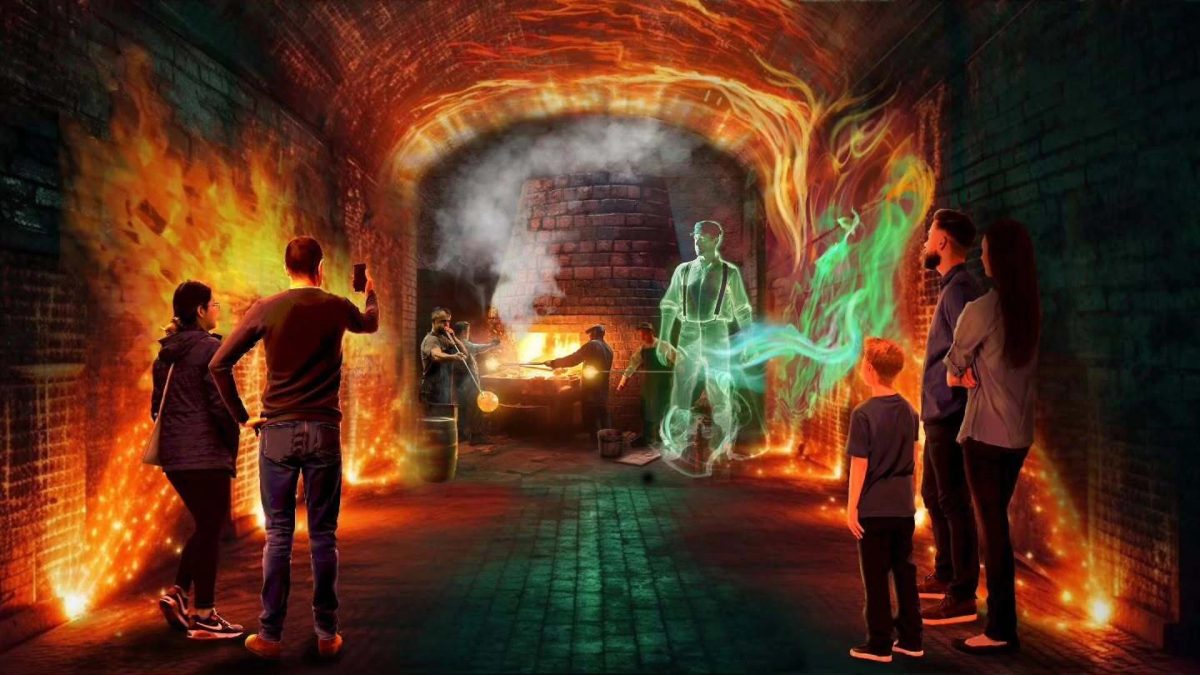
Stourbridge, a town in England's West Midlands, is about to resurrect a piece of industrial Britain that's been hiding underground for centuries. Hidden beneath the Stourbridge Glass Museum lie centuries-old tunnels once used by glassmakers to store materials, manage heat, and support production inside massive glass cones. Now, these passages are getting a permanent welcome sign, complete with virtual reality, projection mapping, and animated displays that will guide visitors through four centuries of glassmaking history.
The tunnels themselves date back to the 1700s, when Stourbridge was one of Britain's crown jewels of glass manufacturing. They sit beneath the ruins of the White House Glass Cone and once played a critical role in establishing the town as a center of world-class glass production. While the museum has occasionally offered guided tours of these underground passages, they've never been a permanent fixture. That's about to change.
From Hidden Passages to Tourist Destination
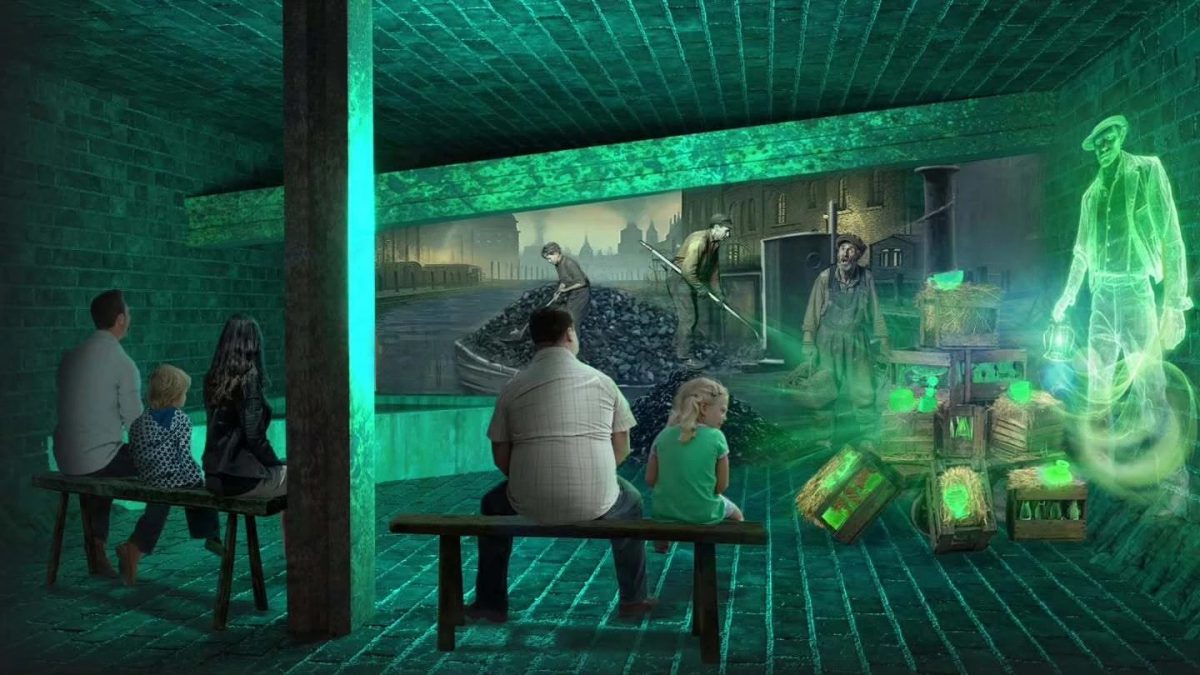
The museum's plan is ambitious. Visitors will walk through the very spaces where craftspeople once labored, but instead of candlelight and raw materials, they'll encounter projections illustrating the complete glassmaking process unfold around them. The experience aims to transport people back in time while keeping their feet firmly on modern-day safety standards. Before opening, the tunnels will receive upgraded lighting, signage, and accessibility improvements to ensure a smooth experience for all visitors.
Alexander Goodger, the museum's director, sees this as far more than just a novelty attraction. "This is just one part of our new phase of capital development designed to boost the site for locals, expand the offer, give it a wider appeal and bring in tourists to the area who then go on to stay in hotels and eat in restaurants, regenerating the area," he explained. The project represents a deliberate strategy to strengthen Stourbridge's role as a cultural and heritage destination while injecting economic life back into the region.
The Story Behind the Tunnels
The tunnels sit beneath what was once the Stuart Crystal factory, one of England's most celebrated manufacturers of cut glass. The factory operated for generations before closing in 2001, marking a symbolic end to an era. By the late 1990s and early 2000s, four major glass manufacturers in the area had disappeared, draining much of Stourbridge's industrial heartbeat. What remains now is heritage, history, and the determination to tell that story compellingly to new generations.
The museum itself houses roughly 4,000 objects documenting the area's glassmaking legacy, plus live demonstrations and interactive exhibits celebrating a craft that defined the region for centuries. England's industrial heritage is increasingly being reimagined as immersive experiences, and Stourbridge is joining that movement with real conviction.
A Catalyst for the Black Country
The Stourbridge Glass Quarter has broader aspirations beyond tourism numbers. The museum's leadership sees these tunnels as a way to reinforce the area's identity as a center for industrial heritage and cultural tourism. With budget-friendly travel options across Europe, domestic heritage tourism in Britain stands to gain momentum, and projects like this one create compelling reasons for travelers to venture beyond London.
Goodger was clear about the stakes: "We want to bring in investment for the Black Country's heritage. We have an incredible and unique history." That history isn't just about glass. It's about human ingenuity, industrial innovation, and a community's determination to preserve what made it significant. The tunnels themselves become a character in that larger narrative, connecting visitors directly to the labor and skill that built modern Britain.
When these tunnels finally open to the public, they'll offer something increasingly rare in heritage tourism: authentic industrial infrastructure married with contemporary storytelling techniques. You'll be standing in actual 18th-century spaces where real craftspeople worked, while technology brings their world back to life around you. That's not nostalgia. That's connection.