Summer is the season of splurge-worthy stays, but here's a counterintuitive truth: the most memorable hotel experiences rarely happen in this year's hot new opening. They happen in places that have been perfecting their craft for generations.
Esquire just released its Hotel Hall of Fame, a curated list of the world's most storied properties. What makes these hotels different from the endless parade of glitzy debuts is simple but telling. To qualify for the list, a property must have been operating for at least five years. Five years. In an industry obsessed with novelty, this qualification alone is radical. It means the hotel has survived market shifts, proven its staff can maintain excellence without the sheen of opening-week hype, and actually become woven into the fabric of its region.
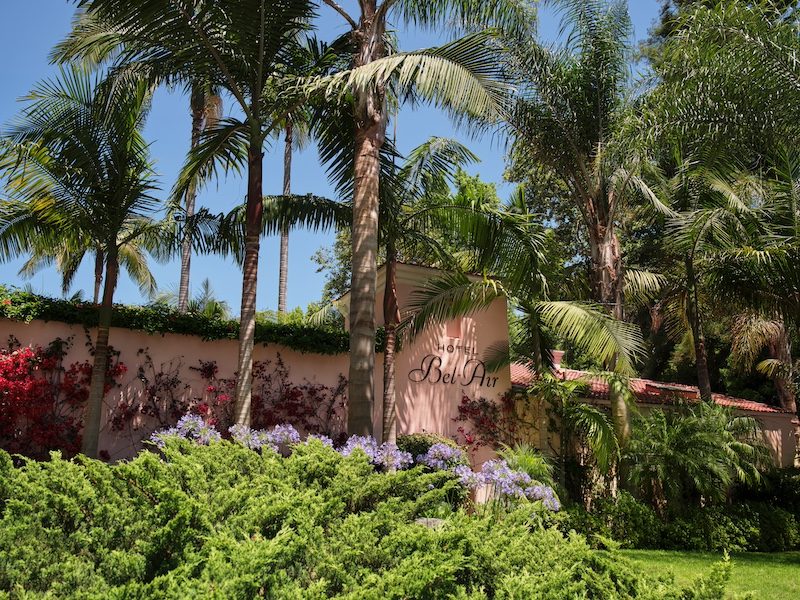
The list reveals something fascinating about luxury. True elegance isn't measured in thread count or Michelin stars alone. It's measured by whether a hotel has shaped the place where it stands. The Grand Hotel Villa Serbelloni on Lake Como has been owned by the same family for four generations. The Hotel Bel-Air in Los Angeles has such cultural weight that Marilyn Monroe didn't just visit in 1962 for her final Vogue photoshoot, she felt compelled to return there. These aren't hotels you choose because they're trending. You choose them because they're part of the reason you're going in the first place.
Europe's classic grand hotels claim nine of the 21 spots on the list, scattered across France, Italy, Monaco, Switzerland, and the UK and Ireland. Paris alone boasts two legendary addresses: the Hôtel de Crillon overlooking Place de la Concorde, and Le Meurice on Rue de Rivoli, both restaurants of choice for artists and royalty for well over a century. Italy has three properties on the list: the twin Lake Como powerhouses (Villa Serbelloni and Tremezzo) and the secluded Hotel Eden Rome, which offers a quieter kind of luxury perched above the Eternal City.
What's conspicuously missing, though, is Asia. This is striking because Asia is home to some of the world's most legendary hotels that easily deserve the accolade. Bangkok's Mandarin Oriental is celebrating 150 years of operation. Singapore's Raffles, which opened in 1887, practically invented the concept of the destination hotel, pulling in globetrotters, celebrities, and cultural icons for well over a century. The omission suggests the Hall of Fame list may have regional bias, or these Asian icons are so established they exist in a category of their own.
American Icons and Alpine Institutions
Across the Atlantic, American classics hold strong. The Peninsula Beverly Hills, The Mark in New York, The Colony in Palm Beach, and the Hotel Bel-Air in Los Angeles all made the cut. Monaco's Hôtel de Paris Monte Carlo represents Riviera elegance since the 1800s, while Badrutt's Palace in St. Moritz is credited with transforming that Swiss mountain town into an exclusive winter escape. In Ireland, Ballyfin Demesne restores a 19th-century country estate into something entirely removed from modern urban chaos.
Mexico rounds out the list with Rosewood Mayakoba and Las Ventanas al Paraíso, both properties that have earned their legendary status by combining natural beauty with service that feels almost supernatural in its attentiveness.
The Psychology of Peak Moments
Esquire includes an interesting detail about why these hotels stay legendary. Hospitality experts point to something called the "Peak-End Rule," a psychological principle where guests judge their entire experience based on the highest moment and the very beginning. Many of these hotels have mastered this by doing something simple: serving champagne upon arrival. It's a small gesture, but it sets the entire tone. The guest feels celebrated before they've even reached their room. Every moment after that is experienced through the lens of that early elegance.
Nine hotels earned their induction into the Hall of Fame this year, including the Carlyle in New York. The message is clear. Trends fade, menus rotate, design styles cycle through decades. But a hotel that truly becomes part of a place? That transcends trends altogether. Summer is the perfect time to book one of these institutions, not because they're new, but because they're proven.