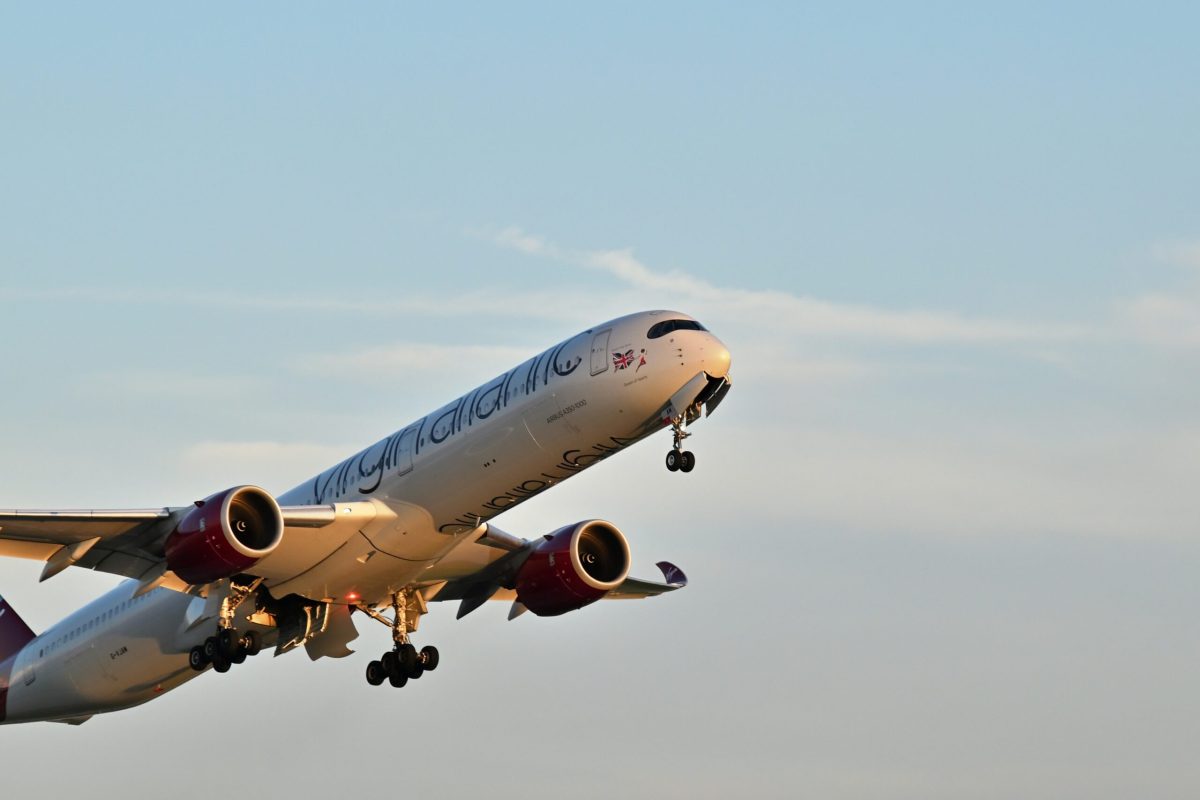
A Virgin Atlantic flight from London Heathrow to Dubai became an unintended tour of European airspace on March 6. The Airbus A350, flight VS400, lifted off just before 10:30 pm for what should have been a straightforward seven-hour journey. But just an hour before landing, while crossing Saudi Arabian airspace, the pilots received word that Dubai International Airport had closed. A missile had reportedly been intercepted near the facility, forcing an immediate diversion.
The plane didn't head home right away. Instead, it rerouted to Budapest to refuel, subjecting passengers to an additional 90-minute ordeal on the tarmac before finally turning back toward London. By the time the aircraft touched down at Heathrow, nearly 16 hours had elapsed since departure. Passengers weren't the only ones affected. Dozens more were stuck in Dubai, waiting for the return flight that never came.
Why the Airline Pulled the Plug
Dubai authorities later downplayed the incident as "a minor situation resulting from debris falling after an interception." The airport reopened within hours. But Virgin Atlantic wasn't convinced it was safe enough to continue operations. "The safety and security of our customers and our people is always our top priority," the airline said. "We have strict criteria that must be met for a flight to continue into the region, and even though Dubai airport reopened shortly after its closure, our criteria for proceeding had not yet been met."
The incident came amid broader regional tensions. Iranian strikes had targeted the Gulf states, prompting flights across the Middle East to reroute or ground themselves. Riyadh's airport also faced disruptions, with Virgin Atlantic flights diverted to Cairo and other regional hubs. For travelers already stranded in the region, the situation became increasingly chaotic. Middle East travel had largely ground to a halt, leaving thousands of passengers scrambling for solutions.
What Happens to Booked Flights
Virgin Atlantic confirmed it would accelerate the end of its winter season in Dubai. Though the Dubai route was originally scheduled to wrap up on March 28, the airline has moved that date up significantly. "Dubai is a seasonal route for Virgin Atlantic and was due to conclude on 28 March; however, the recent escalation in the Middle East has brought forward the end of our operation for this season," the carrier announced.
Separately, flights to Riyadh have been paused for a two-week period, with the airline committing to ongoing reassessments as the security situation evolves. Passengers already in the Gulf weren't left hanging entirely. Virgin Atlantic operated repatriation flights from both Dubai and Riyadh to bring stranded travelers back home, prioritizing those already affected by the chaos.
What This Means for Future Travelers
If you'd booked a Virgin Atlantic flight to Dubai for the remainder of March, contact the airline directly. Rebooking options and refunds should be available. The decision highlights how quickly geopolitical events can reshape flight schedules, even in major aviation hubs. Many Gulf cities offer hotel coverage when flights are cancelled, though policies vary by carrier and circumstance.
The bigger picture? Dubai remains one of the world's busiest aviation crossroads, and brief operational pauses rarely signal long-term travel disruptions. But they do remind travelers that booking to the Middle East requires flexibility and an awareness of regional developments. While Middle East flights have resumed operations, choosing dates carefully and monitoring travel warnings before departure is now essential. For now, Virgin Atlantic passengers will need to find alternate routes or wait until the airline decides conditions have stabilized enough to resume service.