When conflict erupted in early March, the ripple effects weren't confined to news headlines. Hundreds of thousands of passengers suddenly found themselves trapped in the Middle East with no way out. Dubai alone, one of the world's busiest transit hubs, saw its usual flow of nearly one million connecting passengers grind to a halt. For travelers caught between departures, the situation was both scary and uncertain. Then something remarkable happened.
Both the UAE and Qatar made the same decision: they would shoulder the costs for anyone stranded on their soil. This wasn't a corporate gesture or a marketing stunt. These were government-backed commitments to cover lodging, meals, and extended stays when travelers' original plans fell apart through no fault of their own.
A Swift Response Across Two Nations
The UAE moved first. On March 1, the General Civil Aviation Authority announced that the state would assume all hosting and accommodation expenses for affected passengers. The country's tourism departments in both Abu Dhabi and Dubai issued formal instructions to hotels, asking them to extend guest stays at original booking rates while the government picked up the tab. For those facing financial hardship, additional support was just a contact away.
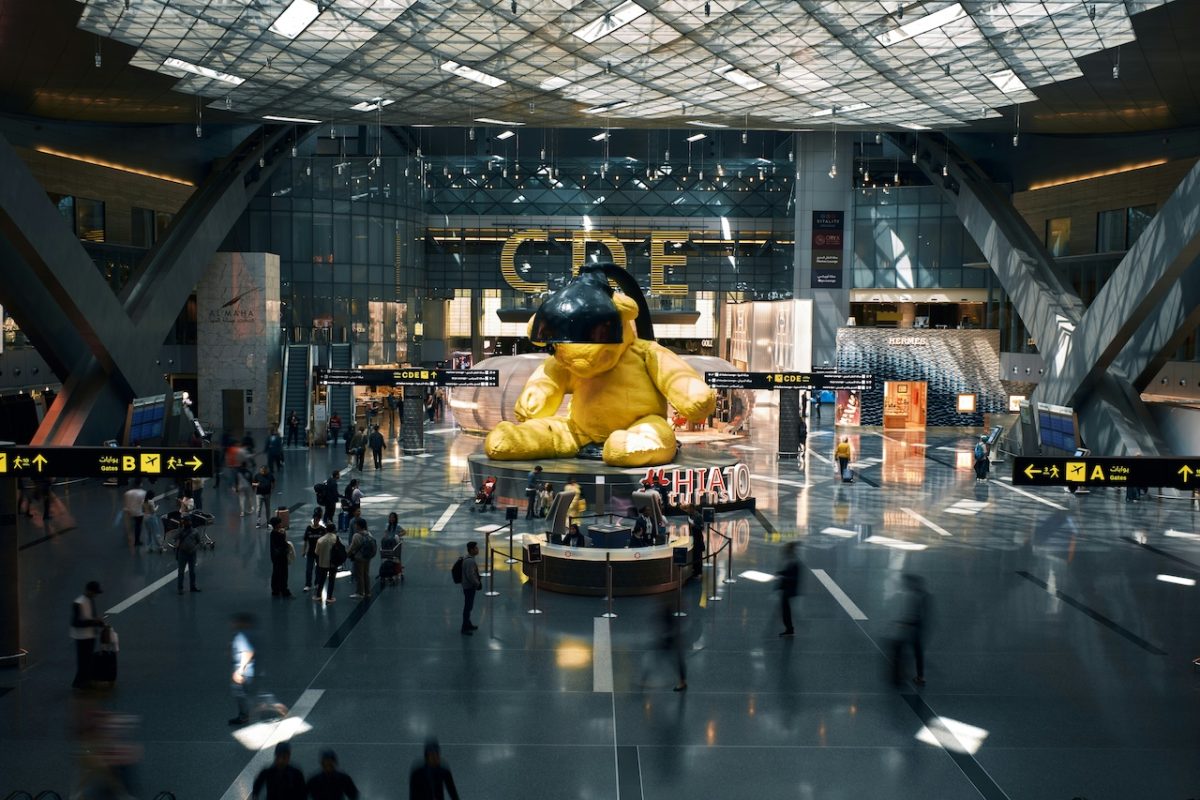
Qatar followed suit two days later. Qatar Tourism circulated a matching initiative, confirming that the government would cover extensions for stranded travelers. At the airport and beyond, passengers were safely relocated to hotels across Doha and other cities. The authorities were clear about one thing: no one should be left without shelter during this crisis.
Beyond Official Relief
While government support provided the backbone of assistance, private sector compassion filled the gaps. AraBnB, a Dubai-based short-term rental platform, announced on social media that it would open its apartments free of charge to anyone without a place to sleep. Co-founder Hreshan Raheja explained the thinking: "Most are doing OK given the circumstances. A lot of what people need isn't just a roof over their head. It's reassurance, clear information, and knowing that someone is looking out for them." Within days, the company had helped several families, and similar offers of support sprouted across the region.
Voices from the Stranded
French photographer Boby documented the experience in real time from Doha, where he was transferred to the striking Sheraton Grand pyramid-shaped hotel overlooking the sea. He praised the staff at Qatar Airways and Hamad International Airport for their care throughout the ordeal. From his room, he captured images of the hotel's distinctive vintage architecture and even spotted Martin Creed's glowing neon installation reading "Everything is going to be alright" illuminating a nearby building at night. It was an unintentional but oddly perfect moment of encouragement amid the uncertainty.
More than 20,200 passengers were directly affected by flight cancellations, though the total disruption to travel plans extended far beyond those numbers. Airlines began cautiously resuming limited operations, prioritizing the repatriation of stranded passengers as security conditions allowed.
Watch Out for Scams
In the midst of genuine aid efforts, authorities warned of a growing threat. Fraudsters impersonating airline staff and crisis officials were targeting vulnerable travelers through social media and messaging apps. The advice was simple but vital: stick to verified websites and official government channels. If someone claiming to help you reaches out unsolicited, verify their identity through official sources before sharing personal details or financial information.
What unfolded in early March revealed something worth remembering. When real crisis hits, infrastructure and policy matter, but so does the humanity that kicks in at ground level. From government mandates ensuring hotel rooms remained open to local businesses offering free apartments, the response showed that even in conflict's shadow, people and institutions can choose compassion over indifference.