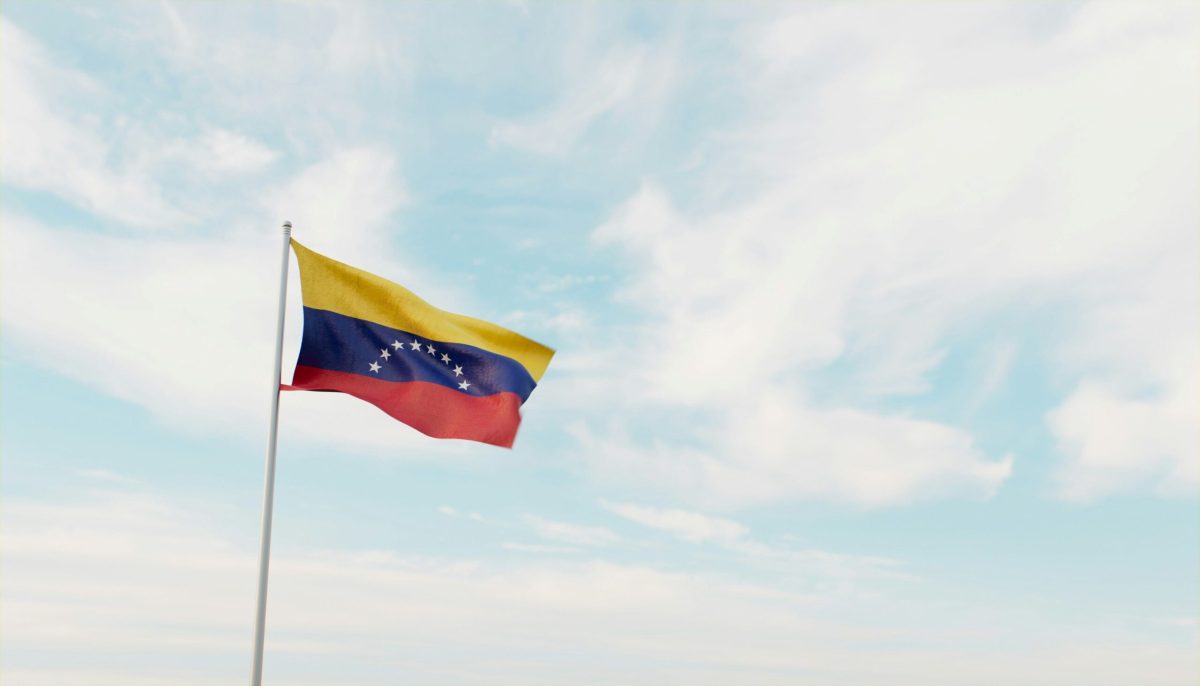
Venezuela is reeling. On June 24, the country experienced something geologically unusual and terrifying: two massive earthquakes, separated by just 39 seconds. The first, a magnitude 7.2, was immediately followed by a magnitude 7.5 mainshock. This back-to-back one-two punch, known to seismologists as a seismic doublet, caused widespread devastation across the western region of the country.
The death toll has climbed to at least 1,450 people, with more than 3,150 injured and at least 12,721 displaced from their homes. Rescue efforts continue, though the critical 72-hour window for finding survivors has passed. Against the odds, teams have pulled both a newborn and an adult woman alive from the rubble days after the initial collapse, offering glimmers of hope in an otherwise dire situation.
The Fault Line That Moved
The epicenter lay in Yaracuy state, near San Felipe and Yumare, roughly west of Caracas, right along the fault system marking the boundary between the Caribbean and South American tectonic plates. These two massive continental plates slide past each other at roughly two centimeters per year, generating predictable seismic cycles. According to earthquake geologist Dr. Laura Gregory of the University of Leeds, earthquakes of this magnitude recur roughly every 100 to 200 years in this region. Destruction extended far beyond the epicenter, with severe damage reported in Morón and tremors felt as far away as Colombia, Curaçao, and Aruba. Tsunami warnings were issued for parts of the southern Caribbean but later lifted when no major waves materialized.
What makes the current situation particularly dangerous is the cascade of secondary hazards unfolding across the country. More than 500 aftershocks have already been recorded since the initial quake, many strong enough for both residents and visitors to feel. Experts warn of landslides in mountainous terrain and soil liquefaction in vulnerable coastal and urban zones, meaning danger persists long after the initial ground stops shaking.
Travel in Venezuela Is Now Severely Disrupted
For anyone planning to visit or already in Venezuela, the situation has become untenable. Caracas's Simón Bolívar International Airport remains closed to commercial traffic, with no resumption expected until at least July 2. All flights are currently grounded except for emergency, military, and humanitarian aid operations. Some airlines are rerouting passengers through Valencia, but that option won't last forever.
The broader transportation network has collapsed. The metro system and rail services in the capital remain suspended. Communications are spotty at best, with widespread power outages making it difficult for travelers to contact family or arrange safe passage out of affected areas. The US Embassy has explicitly warned visitors to expect ongoing disruptions and continued aftershocks in the coming weeks.
The timing adds another layer of complication. This disaster arrived barely two months after direct US-Venezuela flights resumed for the first time in seven years, with American Airlines restarting its Miami-Caracas route in April. That window of optimism has slammed shut.
Travel Warnings Now Cover Most of the Country
The UK Foreign, Commonwealth and Development Office already advised against all but essential travel to most of Venezuela before the earthquake. That advisory remains in force, and ignoring it can invalidate your travel insurance. Canada has updated its travel advisory to reflect both the earthquake and airport closure. Several European governments have also issued warnings urging extreme caution. The US State Department similarly recommends against travel and has warned Americans in-country to expect deteriorating conditions.
Anyone currently in Venezuela should follow local authorities closely, seek shelter in safe locations, and maintain supplies of emergency food, water, and medication. Plans should be flexible and subject to rapid change as the situation evolves. This is not a time to gamble on travel insurance loopholes or hope conditions improve quickly.
This Follows a Predictable Pattern
Earthquake engineer Prof. Anastasios Sextos of the University of Bristol notes that the region has endured severe quakes before, including one that destroyed Caracas entirely in 1812. The current disaster fits an established, grim pattern along this fault system. When the earth settles and weeks of aftershocks finally subside, experts will be watching carefully. But for now, Venezuela remains under a nationwide state of emergency, and the ground may continue to shift for weeks to come.