For the first time since 2019, a US airline is flying back into Venezuela. American Airlines received approval from the Department of Transportation to launch nonstop service from Miami to both Caracas and Maracaibo, marking a significant shift in what has been one of aviation's longest diplomatic freezes.
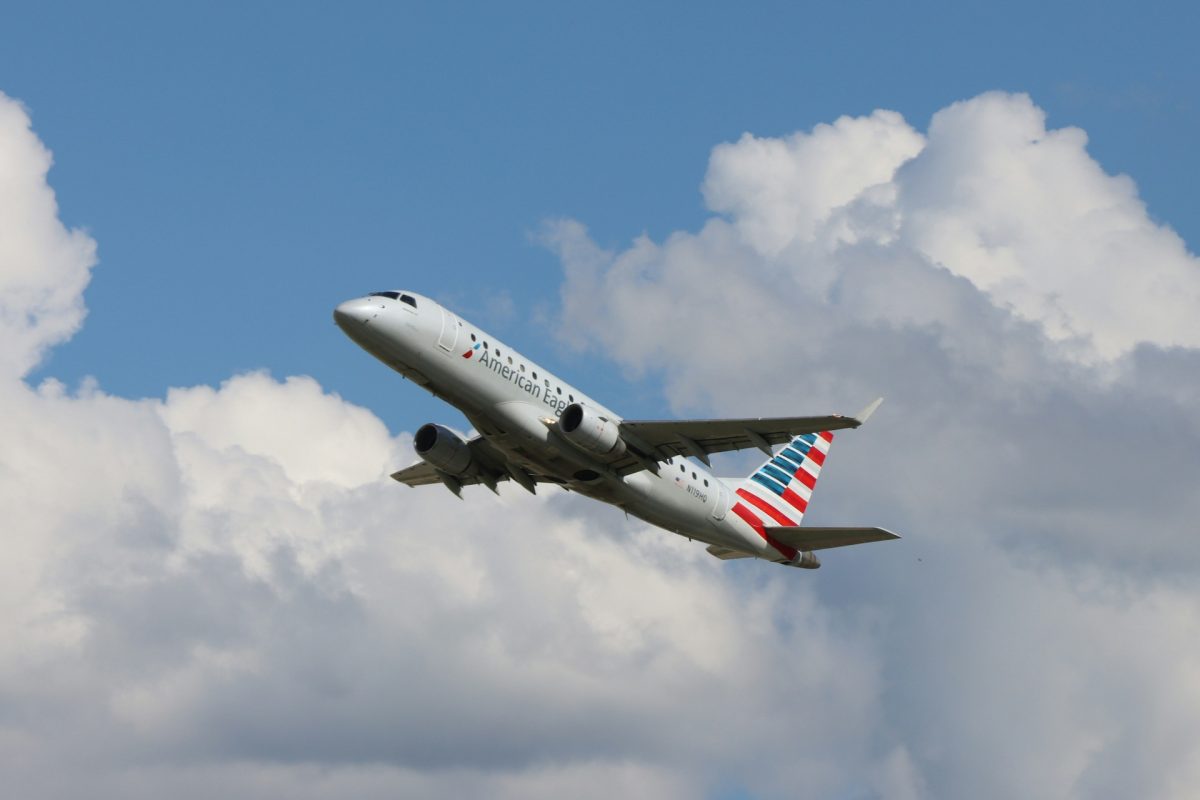
The airline won't operate these flights directly. Instead, its regional subsidiary Envoy Air will handle the routes under the American Eagle brand, initially using Embraer 170 aircraft that seat 65 to 75 passengers. This is standard practice for testing demand on routes that have been dormant for years. The two-year experimental license allows Envoy to run passenger, cargo, and mail services while both the airline and regulators gauge whether sustained service makes economic sense.
Why Now, After So Long?
Commercial flights between the US and Venezuela ground to a halt in May 2019 as political tensions escalated and safety concerns mounted. American Airlines was the last US carrier standing when the suspension happened, having maintained service to Venezuelan cities for more than three decades. The blackout wasn't purely political. Military activity over Venezuelan airspace and the wider Caribbean disrupted flights region-wide, leaving travelers with no direct options and forcing detours through neighboring countries that added hours to journeys.
The path back opened in February 2026 when Venezuelan and US airspace restrictions were lifted following diplomatic discussions. Those negotiations centered on cooperation in mining, energy, and natural resources, creating conditions where both governments saw value in restoring connectivity. American Airlines seized the moment, and regulators approved the move.
Who This Actually Serves
The restoration matters enormously for separated families. Venezuelans living in the US have spent years unable to visit relatives, and the reconnection will reduce the cost and logistical burden of cross-border travel. Business travelers, people managing essential services, and those handling urgent commerce now have a direct path instead of multi-leg connections through secondary hubs.
Other US carriers may follow. Venezuelan airlines like Laser and Avior have both expressed interest in securing US routes, suggesting that American's move could open a broader reopening of the market. Similar momentum happened with Middle East routes after previous closures, where pent-up demand drove rapid schedule expansion once initial approval came through.
The Travel Reality Check
Here's the crucial part for anyone thinking about booking: the US State Department maintains a Level 4 "Do Not Travel" advisory for Venezuela. This isn't just bureaucratic caution. Crime rates in Caracas remain dangerously high, and infrastructure for electricity, healthcare, and water supply is unreliable across the country. Border regions pose additional risks due to smuggling networks and armed groups operating there. The State Department's full advisory makes clear that leisure travel is strongly discouraged for American citizens.
This means the reopened routes serve a specific purpose: facilitating necessary travel for people with family ties or business obligations, not enabling casual tourism. Unlike typical flight bookings where timing determines price, these routes come with travel warnings that should take absolute priority over any savings.
What Comes Next
American hasn't yet announced exact launch dates, but the plan includes daily nonstop service on both the Miami-Caracas and Miami-Maracaibo routes. Maracaibo's inclusion is strategic, given its status as an energy hub with significant oil industry activity. These aren't experimental ghost flights; they're built for regular operation from day one.
The reopening represents a gradual normalization after years of isolation. For those with genuine reasons to travel to Venezuela, the restoration of direct flights eliminates the exhausting workaround of flying through other countries. For everyone else, it's a reminder that airline schedules and geopolitics move together, and that even long-frozen routes can thaw when diplomatic and economic conditions align.