Tashkent is about to become a lot more connected. The International Air Transport Association has announced plans to open a permanent office in Uzbekistan, marking a symbolic and practical shift in how the aviation industry views Central Asia's largest economy. By the end of 2026, a new Billing and Settlement Plan (BSP) will launch in the country, streamlining how airlines and travel agents do business across the region.
This is not a small operational detail. For travelers, it means cheaper flights, easier bookings, and faster connections. For Uzbekistan, it signals recognition from the world's most powerful aviation body that the country has moved beyond regional curiosity into serious infrastructure player.
Why Tashkent Matters Now
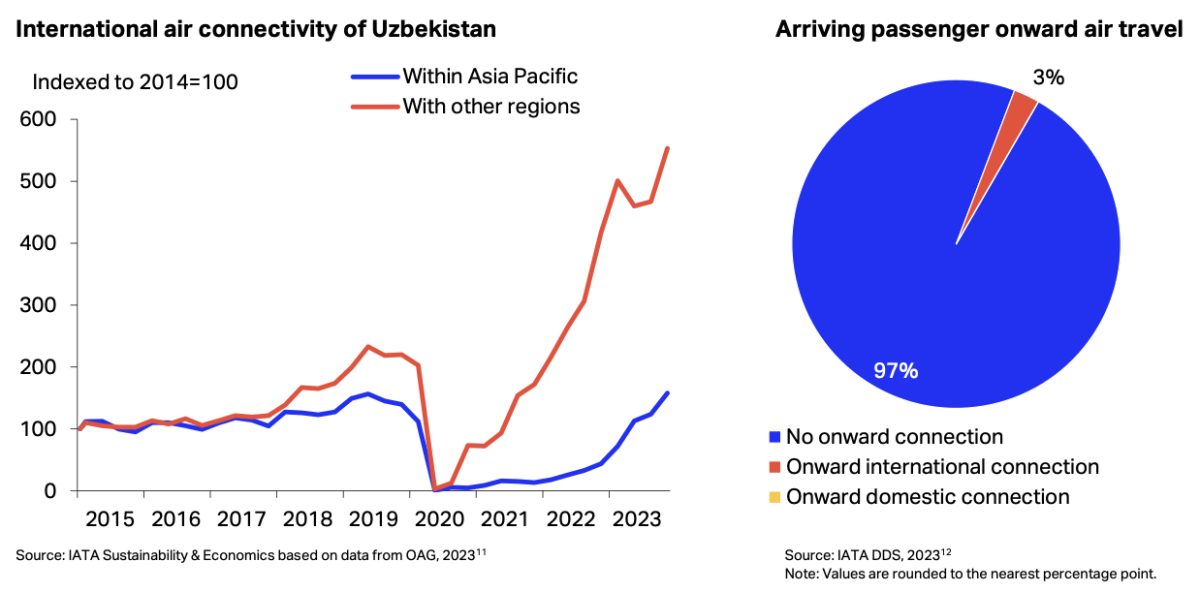
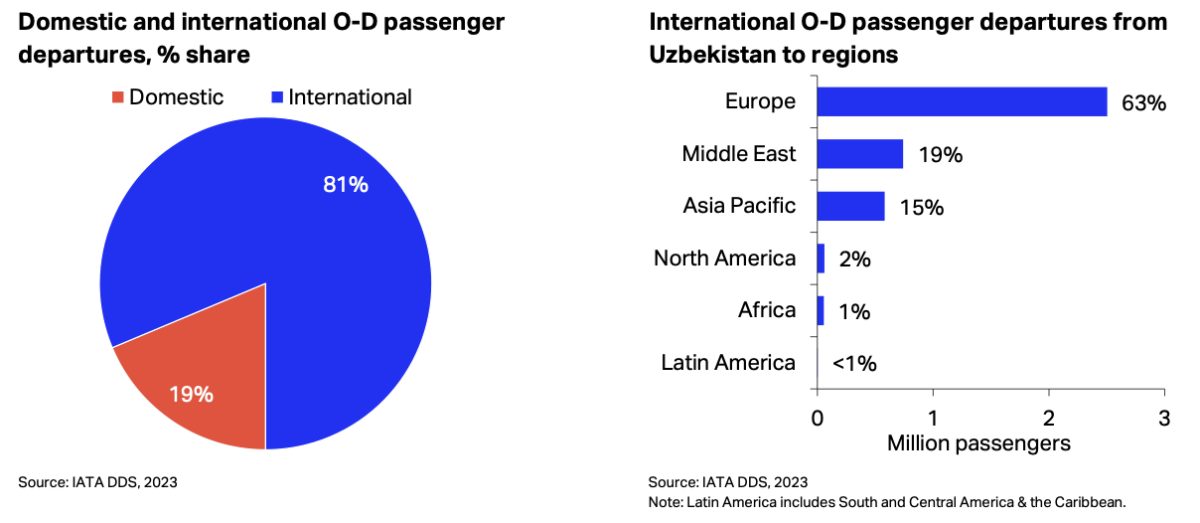
Rafael Schvartzman, IATA's Regional Vice President for Europe, put it plainly: Uzbekistan is becoming an increasingly important market for both passenger and cargo traffic. The country sits at a geographical sweet spot, linking Asia, Europe, and the Caucasus with a single capital city. That positioning has attracted real investment. Etihad Airways recently restarted regular service from Tashkent to Abu Dhabi, opening connections to over 70 global destinations in the process.
The IATA office will house experts who work directly with airlines, airports, and government bodies to implement international safety and operational standards. It's the kind of behind-the-scenes work that rarely makes headlines but quietly determines whether your flight runs on time and whether your booking gets processed without hiccups.
The BSP system does something specific: it simplifies financial transactions between accredited travel agents and airlines, managing ticket sales and settlements across hundreds of carriers and thousands of agencies worldwide. For Uzbekistan, this means airlines can move money faster, access international distribution networks more easily, and expand their reach beyond the region. That translates to more flights, more competition, and lower fares for passengers.
The Numbers Tell the Story
Aviation currently contributes roughly USD 795.5 million to Uzbekistan's GDP, equivalent to 0.9% of the national economy. That employment base supports around 128,000 jobs, with 12,400 people working directly in aviation. Tourism powered by air travel brings in USD 282.9 million to the economy, while international visitors spend an estimated USD 2 billion annually across the broader tourism sector.
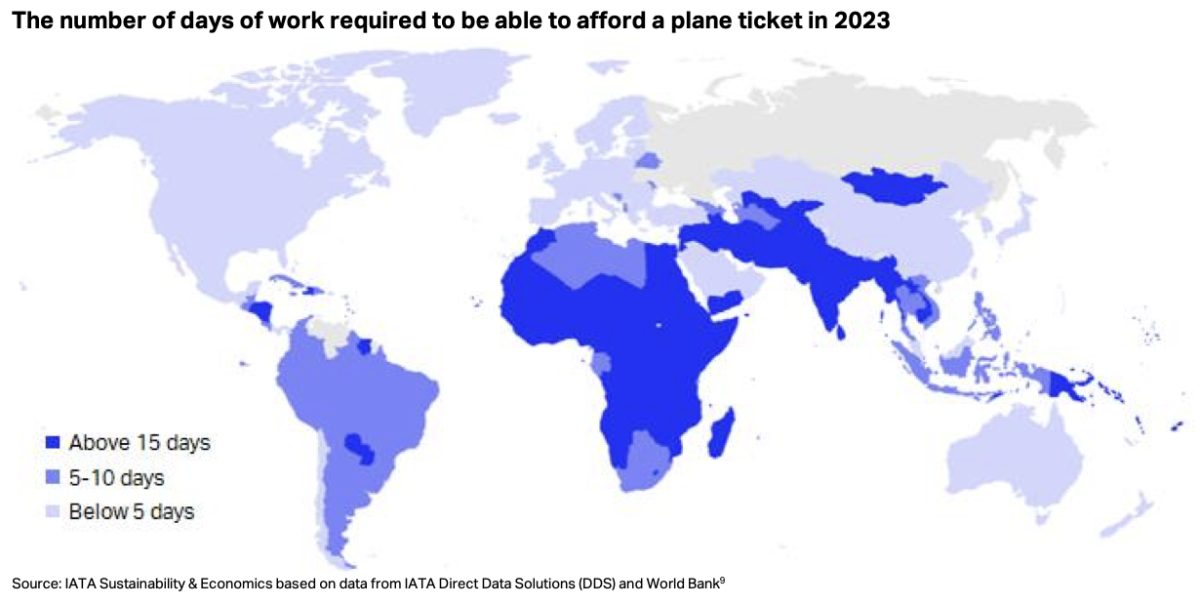
Those figures seem modest until you consider the growth trajectory. IATA forecasts revenue passenger kilometre growth in Uzbekistan of 3.3% between 2024 and 2050, slightly above the projected global average of 3.1%. The government has set an ambitious target of 12 million foreign visitors in 2026, with aspirations to reach 20 million annual international tourists by 2030.
Building the Infrastructure
Tashkent, Bukhara, and Urgench are all undergoing major airport expansion projects. These aren't vanity projects. Rising passenger demand and cargo volumes require capacity, and IATA has emphasized the importance of keeping these projects cost-effective while consulting with airlines to prevent excessive user charges.
Cargo represents another growth frontier. In 2023, 66,600 tonnes of air freight moved through Uzbek airports. A new dedicated cargo terminal at Tashkent Airport, combined with ongoing development of Navoi Airport as a cargo hub, is expected to drive significant expansion. This infrastructure matters for travelers too. More cargo capacity often means more airline routes and more competitive pricing.
The Sustainability Play
IATA highlighted an unconventional opportunity for Uzbekistan: developing Sustainable Aviation Fuel production. The country already has gas-to-liquids expertise and abundant energy resources. Aligned with international sustainability standards, such production could support aviation decarbonisation while creating new export opportunities. It's a reminder that clean air and economic growth aren't mutually exclusive.
The country's aviation ambitions face three key challenges, according to IATA: alignment with global standards, continued infrastructure development, and the clean energy transition. The association recommends adoption of the IATA Operational Safety Audit (IOSA), which would strengthen confidence in Uzbek airlines and likely accelerate international partnerships.
What's happening in Uzbekistan right now reflects a broader shift. Central Asia is no longer a distant afterthought on the global tourism map. With infrastructure investments reshaping how travelers access entire regions, Uzbekistan's decision to modernize its aviation sector positions it as the natural hub for anyone exploring the Silk Road in the 21st century. The IATA office opening in Tashkent is not just administrative machinery. It's a vote of confidence that the region's future as a travel destination is here, now, and worth betting on.