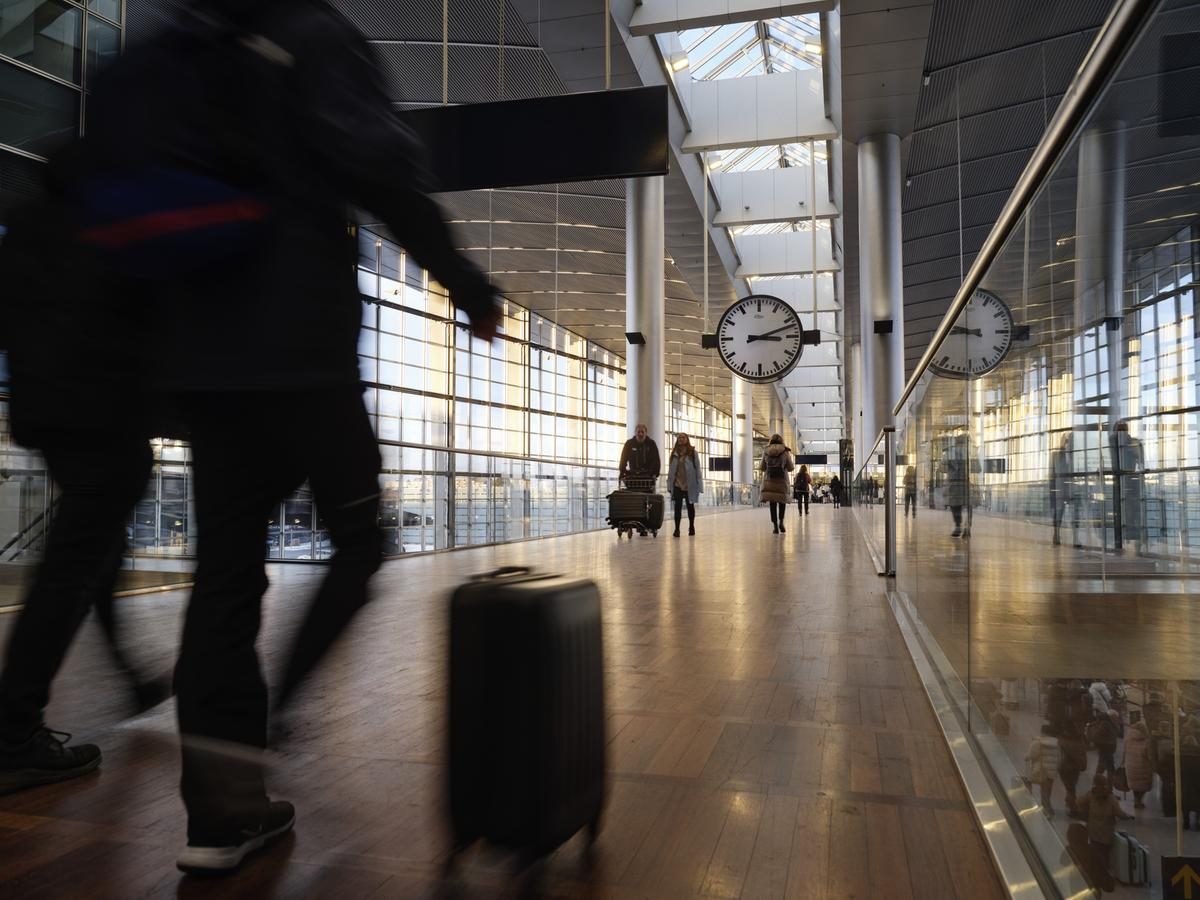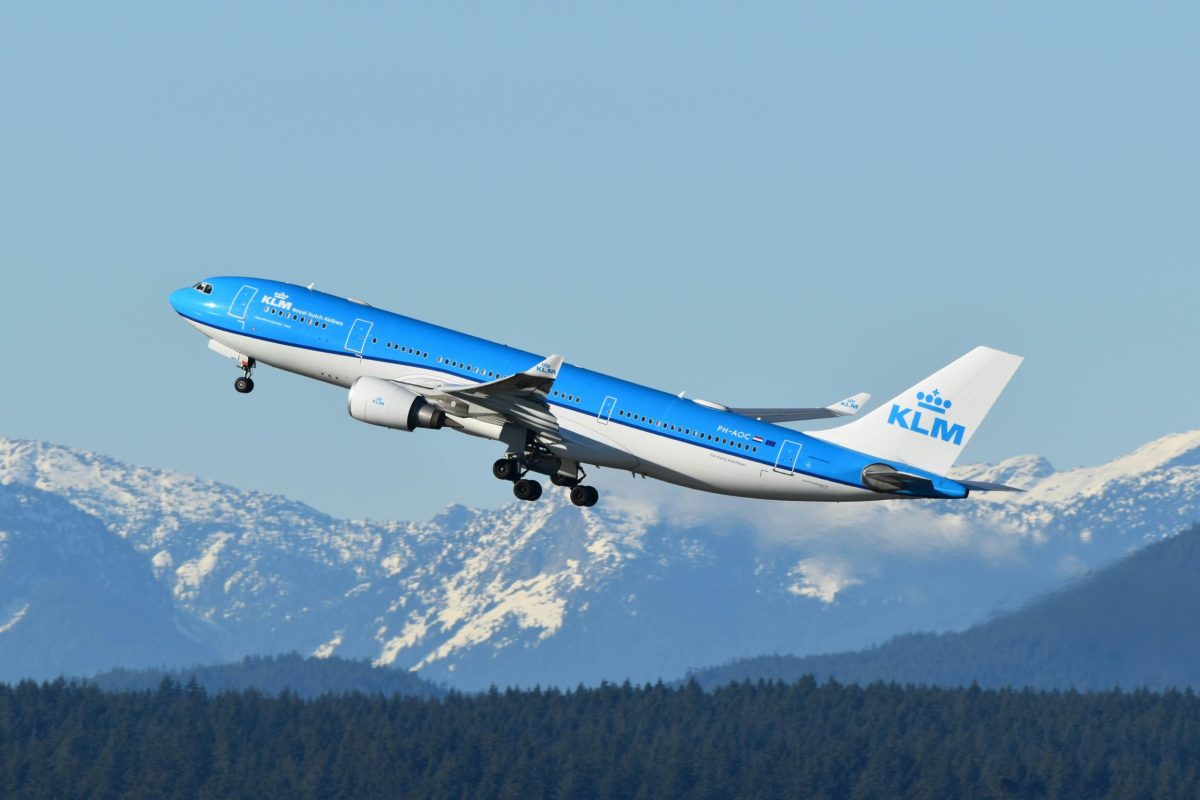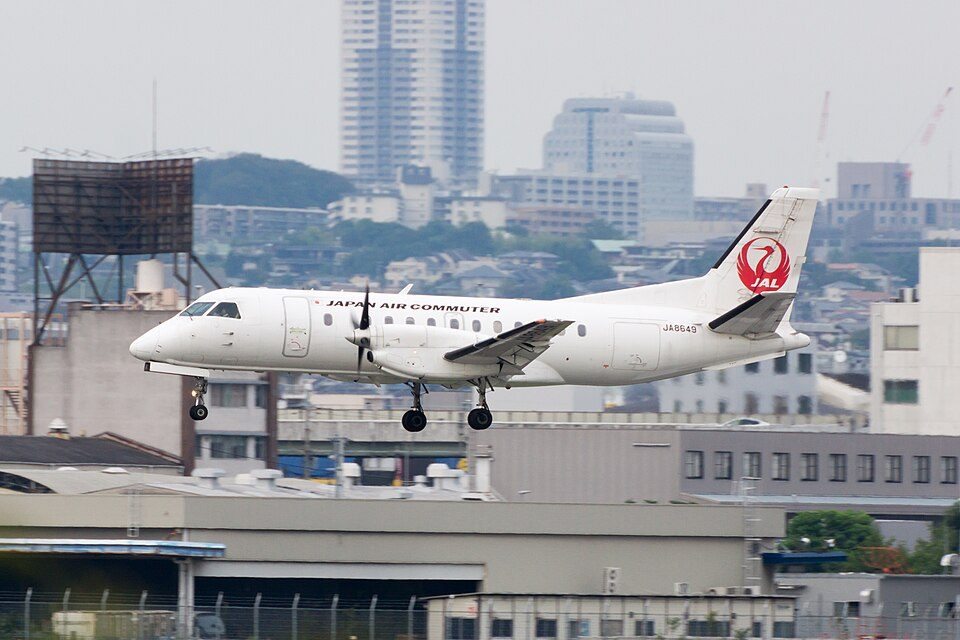
For weeks, Hamad International Airport sat in a holding pattern. Regional tensions had forced a lockdown on Qatar's airspace, leaving one of the world's busiest travel crossroads nearly silent. Now, after careful assessment and months of limited operations, the doors are opening again. Foreign airlines are preparing to resume flights in phases, and the knock-on effects will ripple across global travel routes.
Starting April 21, 2026, international carriers began gradually resuming operations at Hamad International Airport under strict safety protocols set by Qatar's Civil Aviation Authority. The phased approach prioritizes passenger and staff security while restoring connections that millions of travelers depend on. Think of it less as a flip of a switch and more as a dimmer slowly turning up.
During the shutdown, Qatar Airways was the only airline allowed to fly, operating a skeleton schedule focused on repatriation, emergency travel, and cargo. Those limited routes connected Doha to major European gateways like London, Paris, Madrid, Rome, and Frankfurt. Now, with foreign carriers returning, that drastically changes what's possible for connecting travelers. More airlines mean more competition, more routes, and more flexibility when planning trips through the Middle East.
What Qatar Airways Is Doing to Bounce Back
Qatar Airways isn't waiting passively. The national carrier is aggressively expanding ahead of the summer season, targeting more than 150 global destinations by mid-June. This includes routes spanning Europe, Africa, Asia, the Middle East, and the Americas. Before the crisis hit, the airline serviced over 170 destinations, so getting back to near-full capacity is the goal. The airline has reinstated daily services to Dubai and Sharjah as of April 23, signaling confidence that regional stability is returning.
The reopening of Doha's hub matters far beyond Qatar itself. Hamad International is a critical junction point between three continents. When it's running smoothly, passengers and cargo flow seamlessly between Europe, Asia, and Africa. When it's disrupted, the entire international aviation network feels the strain. Restoring full operations helps stabilize long-haul connections and improves connectivity for travelers who might never set foot in Qatar but depend on it as a transfer point.
The Catch for Travelers This Summer
Here's where the good news gets complicated. The aviation industry is swimming in headwinds right now. Fuel prices have surged in recent months, and since fuel typically represents about 30 percent of an airline's operating costs, carriers are passing those expenses along to passengers. Many airlines worldwide are reducing flight frequencies, hiking ticket prices, or adding new fees to stay profitable. Even as Doha reopens, you might pay more for that connection than you would have last year.
Schedules also remain fluid. The Qatar Civil Aviation Authority is allowing operations to restart gradually, which means departure times and available flights could shift on short notice. If you're booking now, flexibility is your friend. Many airlines are still offering flexible tickets that allow changes or refunds depending on what becomes available. Check booking terms carefully and monitor your itinerary as the summer season approaches.
What This Means for Your Travel Plans
For travelers heading to Asia, Africa, or beyond, the reopening of Hamad International expands your options significantly. You're no longer funneled toward just Qatar Airways or forced to route through alternative hubs. Competition returning to the market typically pushes prices down over time, though not immediately. If you're flexible with dates and willing to watch fares closely, rebooking through Doha might save you money compared to flying through other Gulf hubs.
That said, summer is peak season, and demand will spike. The combination of high fuel costs, operational constraints, and surging passenger numbers creates a perfect storm for crowding and potential delays. Build extra buffer time into connections, confirm your flights regularly, and download airline apps to catch any changes before they surprise you at the airport.
The recovery in Qatar is real and measurable, but it's not a return to normal overnight. The aviation sector faces persistent pressure from fuel prices and geopolitical uncertainty. As more routes reopen and foreign carriers return, travelers will see genuinely better options. Just keep your expectations realistic. You'll have more choices than you did three months ago, but the industry is still navigating turbulence.