Here's something that should reshape how you think about visiting major cities: the worst polluters aren't destined to stay that way. A fresh analysis of urban air quality across 96 global cities reveals that 19 have achieved stunning reductions in harmful pollution over the past 15 years, proving that economic vitality and breathable air can coexist.
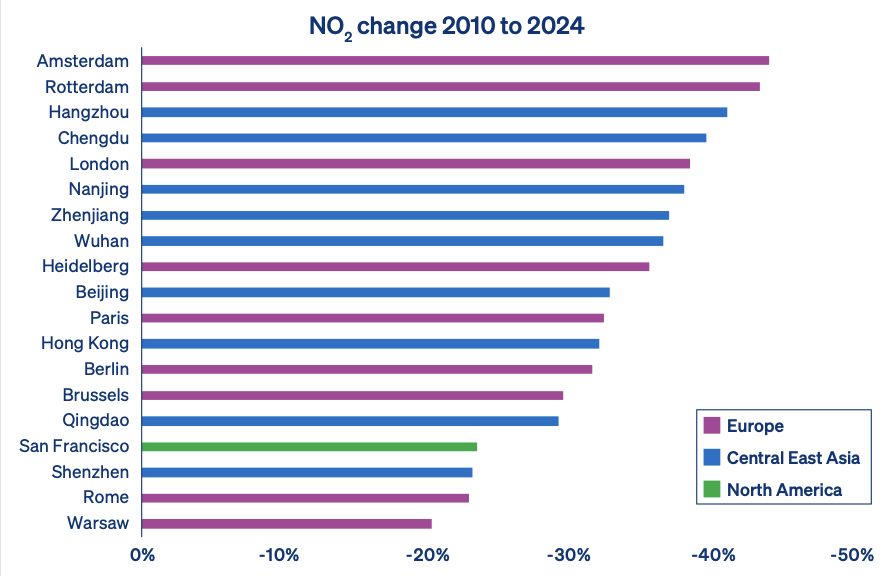
The Breathe Better report, released by Breathe Cities in March 2026, focused specifically on two pollution types that plague urban travelers and residents alike: fine particulate matter (PM2.5) and nitrogen dioxide (NO2). To make the winning list, cities had to reduce both by at least 20% since 2010. Some achieved far more impressive results, hitting reductions of around 45%.
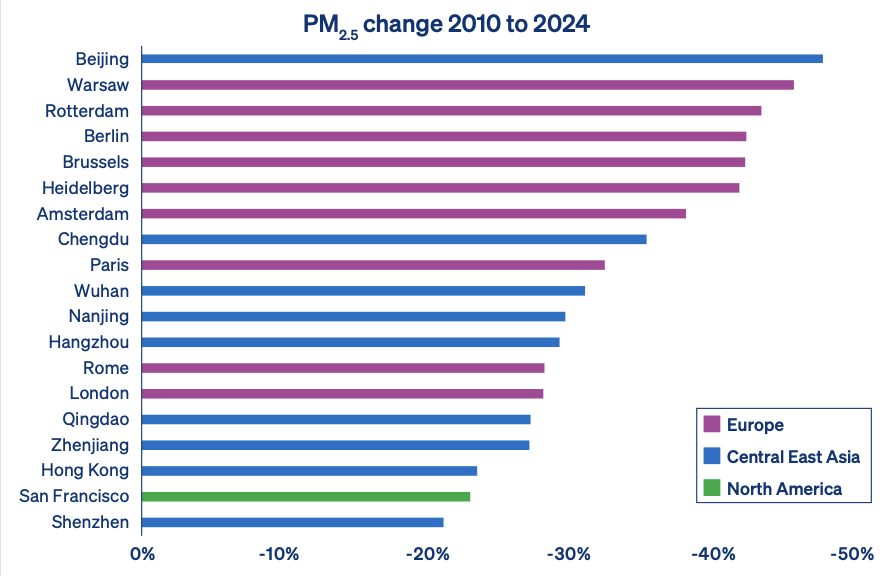
The standout performers include Beijing and Rotterdam, alongside Brussels, which pioneered some of the world's most aggressive air-cleaning tactics. Nine European cities, nine Asian cities, and one North American city cracked the list. The geographic spread matters because it shows that success isn't limited to wealthy Western metropolises or specific regions. This is a global playbook that actually works.
How These Cities Actually Did It
The researchers didn't just measure success; they identified the concrete steps that made it possible. These cities didn't stumble upon cleaner air by accident. They deployed real infrastructure changes that travelers will notice when they visit.
- Invested in serious air quality monitoring systems and emissions tracking
- Rebuilt city centers to prioritize walking and cycling over cars
- Modernized public transit networks so buses and trains become the obvious choice
- Accelerated the shift to electric vehicles with aggressive incentives
- Created low-emission zones that restrict the dirtiest vehicles
- Switched heating and cooking systems away from fossil fuels
- Turned city-wide policies into sustained, systematic change
Brussels offers a particularly compelling case study for travelers. The city doubled its bike lane network, pedestrianized large swaths of the city center, and converted itself into a low-emission zone. If you're planning a trip there, you'll experience a city that's explicitly designed for people rather than traffic. The air you breathe while cycling along the Meuse or exploring the Grand Place genuinely reflects years of deliberate cleanup.
What This Means for Your Travel Plans
The report's key finding cuts straight to the heart of modern travel concerns: massive pollution cuts can happen within 15 years, but they don't happen by themselves. They require coordinated, persistent action from city leadership combined with public support.
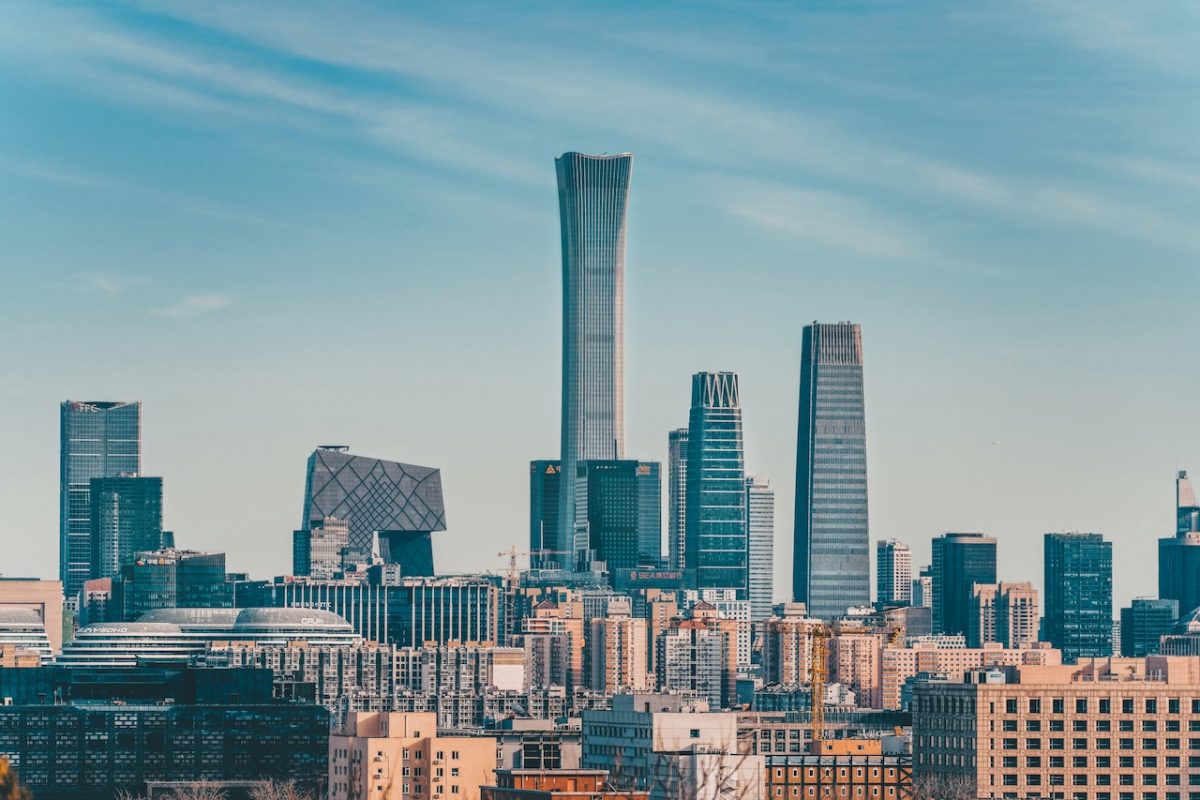
This matters because air quality directly affects travel experience and your health while traveling. If you've avoided major Asian cities because of smog, Beijing's transformation warrants reconsideration. If European destinations are on your radar, cities that have invested in clean mobility offer not just cleaner air but fundamentally different urban experiences, built around human-scale movement rather than car dominance.
The research also demolishes a persistent excuse offered by polluted cities worldwide: that you can't maintain economic growth while cleaning the air. These 19 cities prove otherwise. They've grown economically while reducing the very pollution that strangles cardiovascular and respiratory health. That's not just good news for residents. It signals that your tourist dollars can support cities investing in sustainable infrastructure rather than perpetuating the smog.
The Real Takeaway
Cities that deliberately invest in cleaner air tend to also invest in bike infrastructure, expanded public transit, pedestrian zones, and electric vehicle adoption. These are the exact features that make destinations more enjoyable for travelers on foot or without a rental car. When a city prioritizes air quality, it often means rethinking how people move through it entirely.
The 19 cities on this list should serve as your reference point. They've answered a fundamental question about urban life in the 21st century: growth and breathable air aren't opposites. They're choices, made consistently over years, by cities that decided their residents and visitors deserved better. When you're booking your next urban destination, consider seeking out cities demonstrating that commitment.