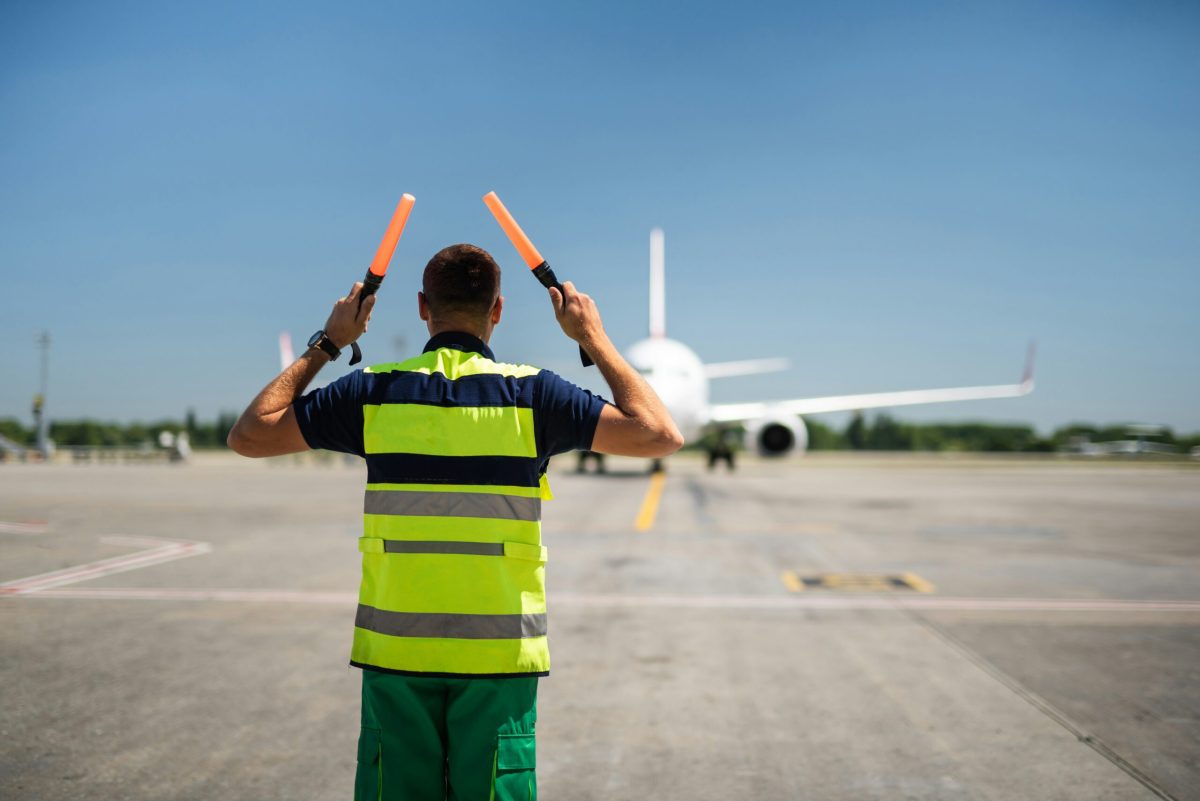
Somewhere over the midwest right now, an air traffic controller is tracking dozens of aircraft simultaneously, coordinating handoffs between towers, and making split-second decisions that affect thousands of lives. That job isn't going anywhere. But the tools they use? Those are getting a serious upgrade.
The Federal Aviation Administration has been quietly building something called SMART (Strategic Management of Airspace Routing Trajectories), an artificial intelligence system designed to transform how flights navigate U.S. airspace. Think of it as giving controllers X-ray vision into future conflicts before they happen. Three companies are competing to build it: Palantir, Thales, and Airspace Intelligence.
The Real Innovation Here
Congress approved a $12.5 billion modernization budget for air traffic control in 2025, and SMART is just one piece of a much bigger picture. The FAA is replacing copper wire infrastructure, installing new surface awareness systems, and ditching paper flight strips in 17 towers for electronic ones. But SMART is the centerpiece. A first version launches in 2027.
Here's what makes it different from the robot-takeover narrative everyone fears: SMART won't make decisions. Instead, it spots scheduling problems an hour or two before they happen by analyzing airline flight data alongside FAA systems. A controller then chooses how to adjust flight paths to prevent delays and conflicts. It's like having a brilliant assistant who never sleeps, constantly scanning for bottlenecks you haven't noticed yet.
Transportation Secretary Sean Duffy laid out the vision clearly: "AI is a tool, but we do not replace humans in how we manage the airspace. Am I gonna replace a controller and have AI manage the airspace? The answer to that is hell no, that's not gonna happen." He went on to explain that electronic flight strips are replacing paper handoffs because humans make mistakes, and every tool that reduces error makes flying safer for everyone on board.
What Travelers Should Notice
The practical upshot? Fewer delays. Smoother transitions between regional airspace. Less gridlock in busy corridors. If you've ever sat on a tarmac wondering why planes are stacking up invisibly in the sky, SMART attacks that exact problem.
The FAA is also backing up this confidence with hiring. Since March 2025, nearly 2,400 new air traffic controllers have joined the workforce. That's deliberate: staffing has hit its highest level in six years, with 11,000 certified controllers and 4,000 trainees in the pipeline. The FAA hired 20% more controllers in 2025 compared with 2024, and streamlined the hiring process by five months. This isn't a system losing human jobs. It's expanding capacity to handle growing traffic.
As global aviation evolves and new routes open across emerging markets, the U.S. approach of combining smarter technology with more trained professionals offers a template. It proves you don't have to choose between innovation and employment. You can have both.
The next time your flight departs on time or lands without circling for 30 minutes, part of that might be SMART working invisibly in the background. But it's the controller in the tower who makes it happen. That human touch isn't disappearing. It's just getting better tools.