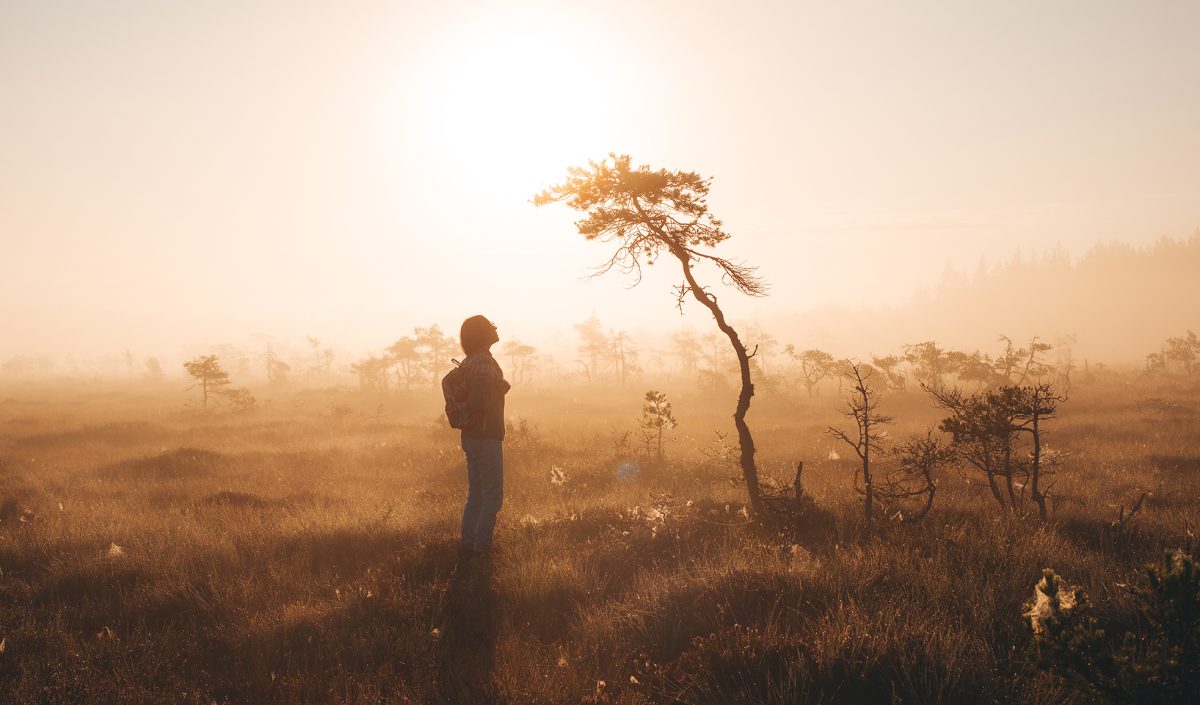
In the remote valleys and villages of Uzbekistan, certain sounds are disappearing. Shepherd calls echo fewer mountainsides each year. Ancient drum patterns fade from memory. The intricate melodies played on bone flutes and carved wind instruments survive mainly in the hands of aging musicians. Now, a bold archival project is racing to capture these sounds before they vanish entirely.
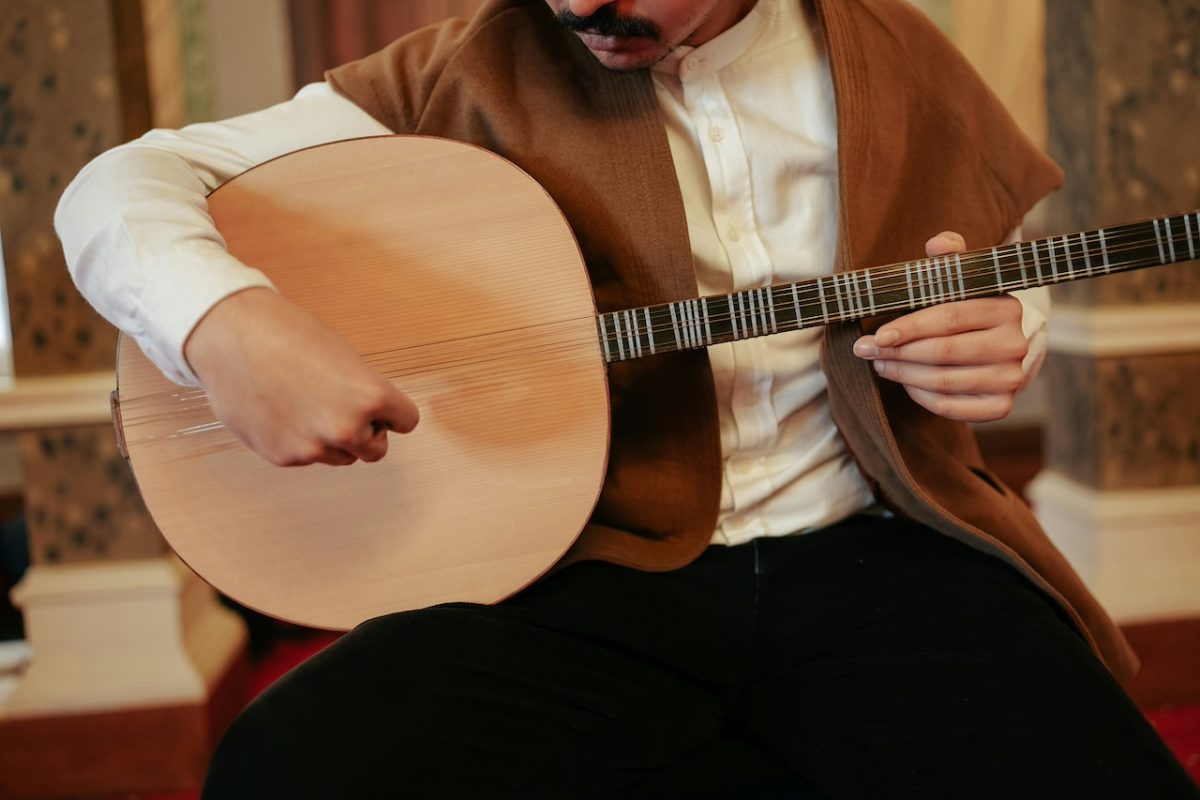
The Ohang initiative, developed by cultural heritage specialists working with Uzbektelecom, has spent months recording traditional Uzbek musicians in professional studios, preserving 24 different instruments and over 200 unique tracks. What makes this effort remarkable is not just its scale but its stated purpose: to free these recordings for contemporary creators, filmmakers, and musicians who desperately need authentic source material but can't find it.
A Crisis of Misidentity
Ask any composer searching for "Uzbek music" on stock audio platforms and you'll hit a wall. The results are often sparse, mislabeled, or contaminated with Azerbaijani, Turkmen, or Arabic influences. As Uktam Khakimov, an internationally recognized Uzbek musician and heritage specialist, explained, non-specialists frequently confuse regional traditions. "When searching on music stock platforms using queries like 'Uzbek music,' relevant results are often missing, or platforms suggest unrelated tracks," he said. This confusion doesn't just frustrate modern creators. It also dilutes the cultural identity of Uzbek traditions, blending distinct musical lineages into a murky blur.
The Ohang catalogue aims to solve this problem head-on by creating a free, open-source repository of authentic Uzbek folk music. No paywalls. No licensing tangles. Just raw, professionally recorded traditions available for anyone to download and reuse in videos, films, soundtracks, or even promotional content.
Instruments That Almost Disappeared
Some of the recordings capture instruments so rare that few people alive have heard them played. The "gajir nay," for instance, is a wind instrument traditionally carved from the wing bone of a scavenger bird. Other recordings preserve ancient surnay melodies, complex ceremonial horn pieces that haven't been performed in roughly fifty years. As Khakimov emphasized, "Such recordings do not exist elsewhere, as far as we know." These are not merely historical curiosities. They're irreplaceable documents of human creativity, the kind of material that future ethnomusicologists, composers, and researchers will need to understand Central Asian culture.
The technical challenge was immense. Recording traditional instruments in a studio risks stripping them of their authentic voice, draining the resonance and character they acquire in open air or in ceremonial settings. Khakimov and his team worked deliberately with sound engineers who understood how these instruments behave in the real world, refusing to let modern production sanitize the sound. The goal was fidelity, not polish.
What Comes Next
The official platform launch is scheduled for June 2026, but project coordinator Maftuna Abdugafurova made clear this is only a starting point. The Ohang team is actively inviting field researchers, musicians, and cultural enthusiasts to contribute additional recordings and uncover more forgotten grooves buried in villages across the country. As Uzbekistan banks on attracting millions of international visitors over the next decade, projects like Ohang connect those travelers not just to monuments and cities but to the living heartbeat of Central Asian culture.
For musicians and filmmakers, the archive represents something rare: a treasure chest of sounds that are both authentically rooted and freely shareable. For Uzbekistan itself, it's a defiant act of preservation, an acknowledgment that some things matter too much to be left to chance. The mountain calls, the ceremonial drums, the bone flutes carved by craftsmen whose names have been forgotten. They deserve to be heard again.