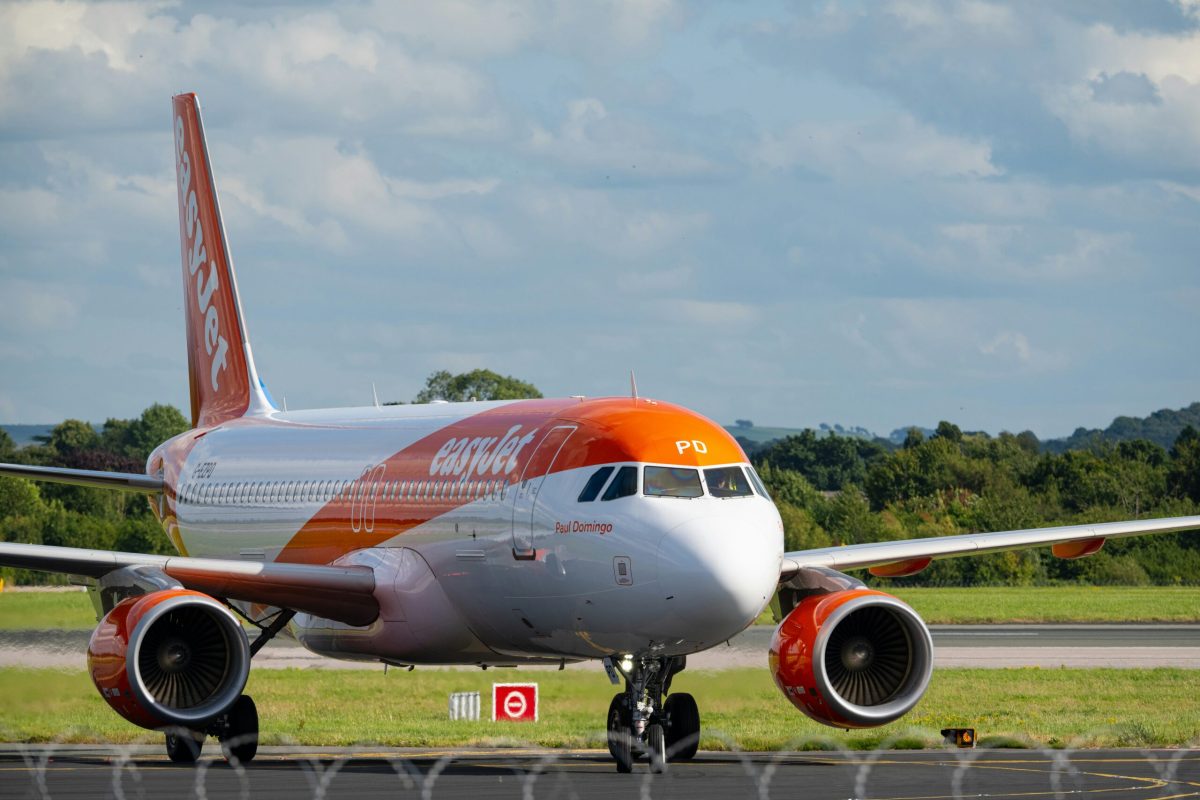
EasyJet's chief executive Kenton Jarvis has a message for anyone planning a trip: buy your tickets sooner rather than later. The reason is blunt and unavoidable: energy prices are climbing fast, and when airlines lose their protection against fuel volatility, passengers will feel the hit at the checkout.
The numbers tell the story. Jet fuel prices have surged 82.8% in a single month, driven by Middle East tensions and attacks on energy infrastructure. Crude oil jumped from below $100 per barrel in late February to $119-$125 today. Some analysts warn of $150 per barrel if the Strait of Hormuz gets blocked, while Iranian officials have publicly suggested the market should brace for $200 oil. As airspace closes and traffic gets rerouted through already crowded corridors, airlines face higher costs and nowhere to absorb them but your fare.
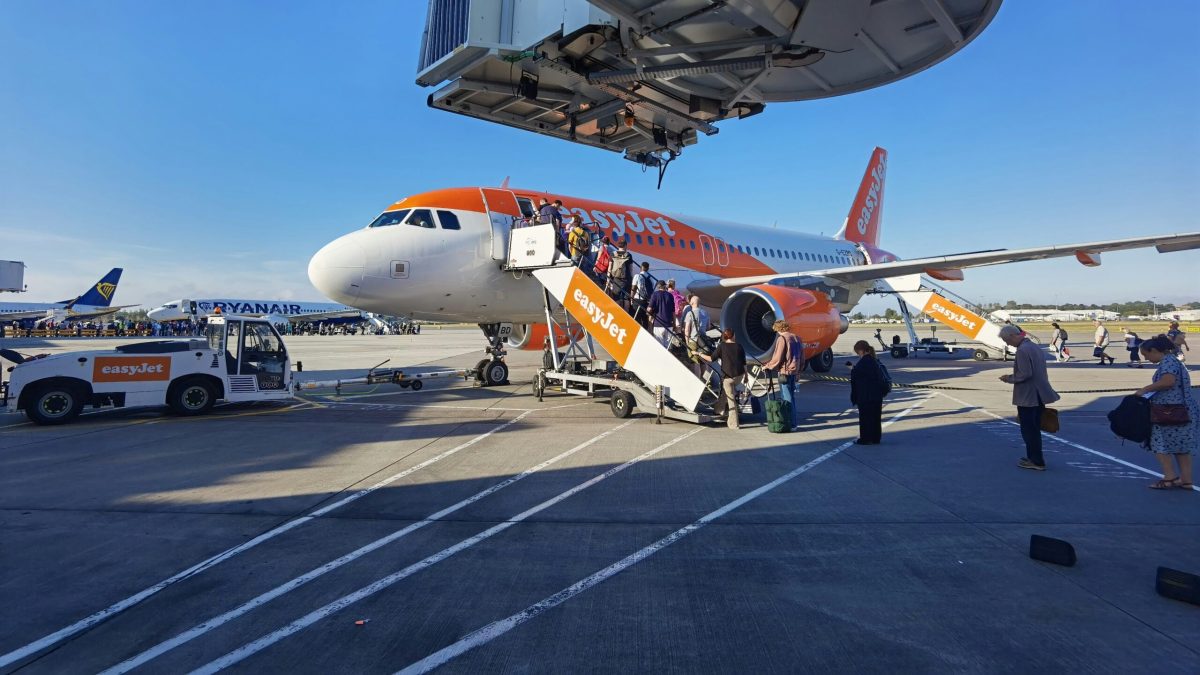
Airlines currently operate under hedging agreements, financial tools that shield them from sudden price swings. It's a cushion for both carriers and travelers. But those protections don't last forever. "The hedges will drop off, and the longer prices remain high, the more you will have to start covering your position," Jarvis explained in an interview with The Telegraph. His advice is simple: "book as early as possible." He adds, "my expectation is that prices will go up. The industry has no choice. We make about 7 pounds per seat, so if fuel prices increase by 10 pounds, we have to address that."
Other airline leaders echo the concern, though with varying timelines. Ryanair CEO Michael O'Leary doesn't expect immediate cancellations or fuel shortages. "It's hard to imagine the US and Israel maintaining this level of attrition for more than another five or six weeks," he said at an Airlines for Europe event in Brussels. Yet he stopped short of predicting anything about the third quarter. If the Strait of Hormuz stays closed, oil stays expensive, and fares climb.
Carsten Spohr, head of Lufthansa Group, offered a wider lens. Before airlines run dry, he noted, "many other parts of the global economy will be short of fuel." Aviation consumes only a fraction of the world's fuel supply, so petrol stations would empty before planes ground themselves. That's reassuring for summer bookings, which should remain relatively stable while hedges hold. The window is narrow, though.
The situation has already triggered changes across the industry. Over 25 airlines are cutting Middle East flights, and British Airways has slashed routes through May. Middle East tourism is hemorrhaging $600 million daily, a sign of how thoroughly the crisis has unsettled travel patterns.
Online reactions split along predictable lines. Some travelers appreciate the heads-up as practical wisdom. Others suspect airlines are manufacturing urgency to drive bookings when travelers remain nervous and hesitant. Greg Carlstrom, The Economist's Middle East correspondent, added a sobering reality check: even if the conflict ends tomorrow, relief won't be instant. Restarting oil production, repositioning tankers, reopening liquefied natural gas facilities, and stabilizing shipping routes take months. Supply chains will stay broken, insurers will stay cautious, and critical routes like the Strait of Hormuz will remain uncertain. Recovery, even in the best case, moves slowly.
The practical takeaway is stark. If you're planning a trip in the coming months, waiting rarely pays off anymore. Lock in your fares while airlines still absorb some of the fuel cost shock. In a few weeks, that protection vanishes, and your ticket price climbs with it.