Here's something to consider during your next family meal: what an expectant mother eats doesn't just nourish her body, it may be shaping her child's palate for the next three years or longer. A new international study suggests that flavor preferences begin forming while babies are still in the womb, and those early taste memories persist far longer than anyone previously understood.
How Scientists Tracked Baby Taste Buds Before Birth
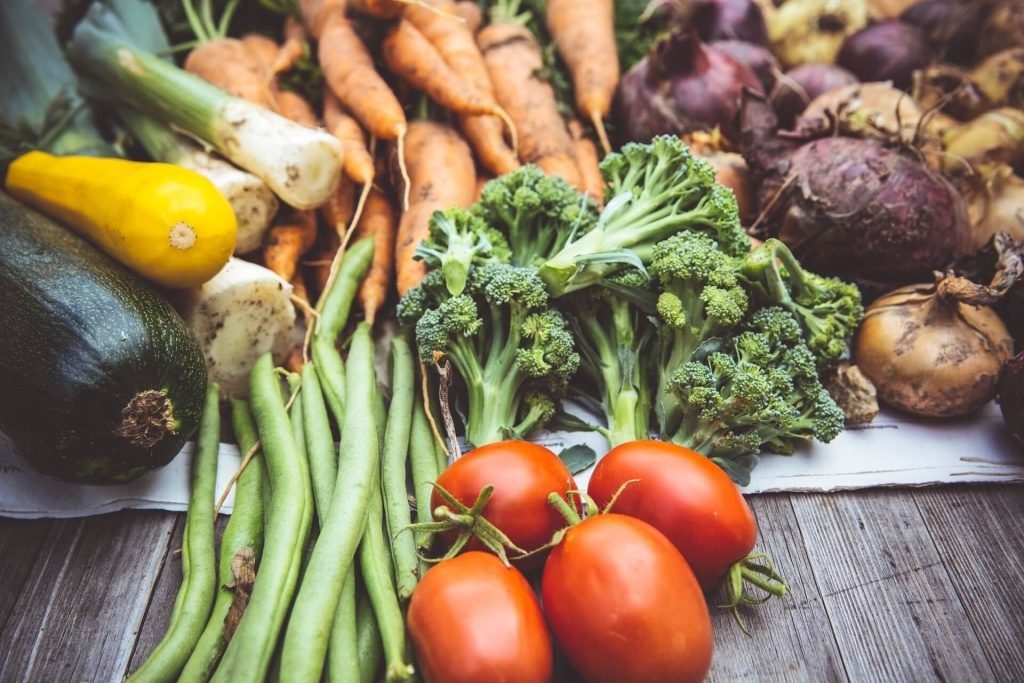
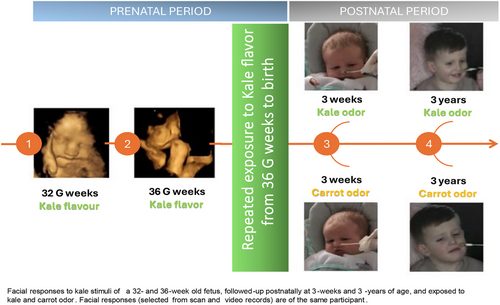
Researchers from the UK, France, and the Netherlands conducted an unusually rigorous experiment. They recruited 34 healthy pregnancies, randomly assigning mothers to one of two flavor profiles. Some mothers consumed capsules containing kale (bitter and challenging) while others received carrot flavoring (milder and sweeter). The mothers swallowed these capsules at least four times weekly between 10 a.m. and 3 p.m., beginning at 32 weeks of gestation.
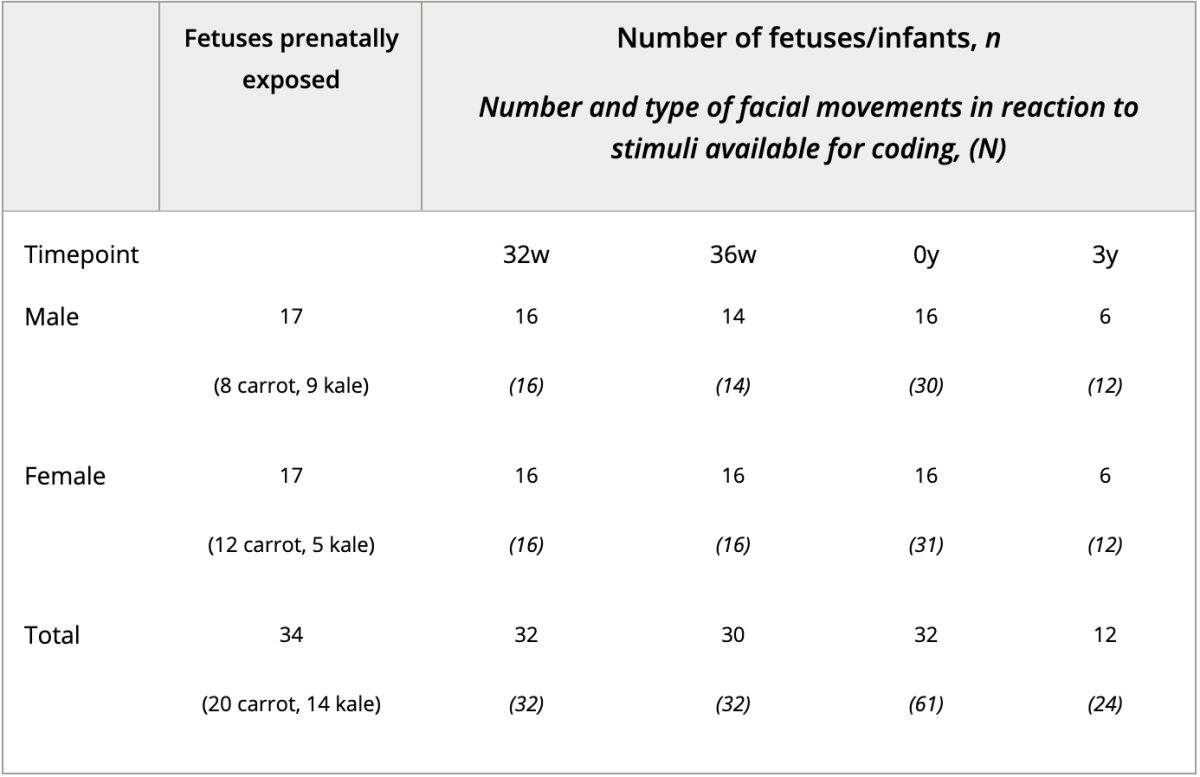
What makes this research different from previous studies is the directness of observation. Using ultrasound at 32 and 36 weeks, researchers watched the fetuses' facial reactions to the flavors in real time. They could see immediate responses on screen. Later, when the children were three weeks old and again at three years old, researchers exposed them to both kale and carrot odors while recording their facial expressions in detail.
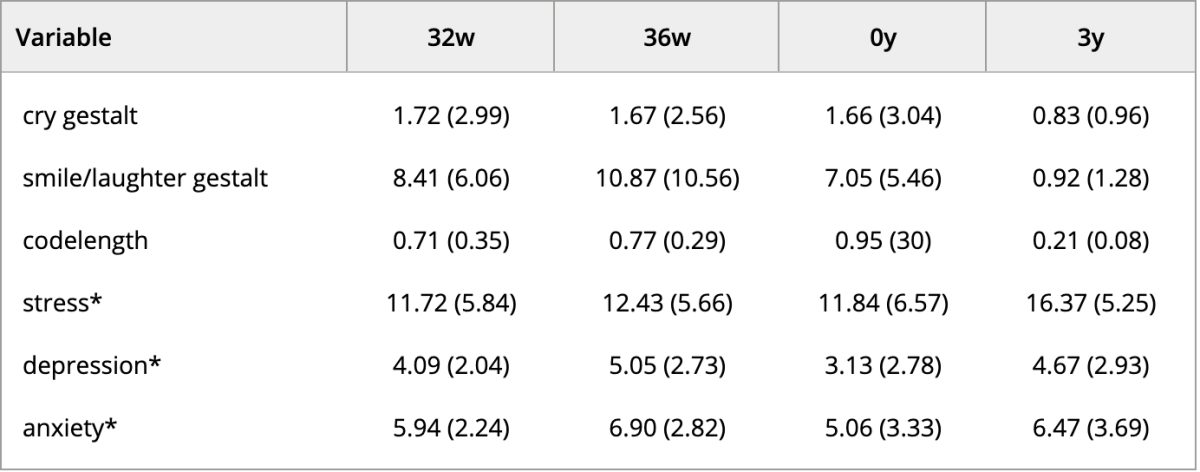
The results were striking. Children who had experienced a particular flavor before birth consistently showed fewer negative facial expressions when encountering that same flavor later in life. A child exposed to kale in the womb would grimace less at kale. A child exposed to carrot would react more positively to carrot. The effect held steady across the three-year follow-up period, published in Developmental Psychobiology.
What This Means for Picky Eaters
The practical implications are tantalizing. Parents who struggle through years of dinner table negotiations over vegetables might actually have an opportunity to influence their children's preferences before they're even born. Feed yourself well during pregnancy, the research suggests, and your toddler may be far more willing to eat those greens without complaint.
Scientists discovered something equally important: the flavor memory effect operated independently of maternal stress, anxiety, or depression. Even mothers dealing with significant emotional challenges during pregnancy transmitted these taste preferences to their children without interference. The chemical signal from food seemed to bypass emotional states entirely, creating a pure, unfiltered memory.
How This Research Differs From Past Studies
Earlier investigations relied on observation and inference. When researchers found that children whose mothers ate garlic during pregnancy later preferred garlic-flavored foods, the connection remained suggestive rather than proven. Parents might have passed on genetic preferences, or family eating habits could have influenced outcomes. Direct cause and effect remained elusive.
This study eliminated those variables through controlled exposure and longitudinal tracking. The same individuals were observed via ultrasound in the womb, received precise dosages of flavoring compounds, and were followed systematically for three years. The chain of evidence is traceable, not assumed.
What's Still Unknown
The research isn't without limitations. Only 12 of the original 34 children completed the full three-year follow-up, creating a modest sample size. Researchers acknowledge they cannot entirely separate prenatal exposure from postnatal encounters with the same foods, family dietary patterns, or genetic factors. And because the evidence rests entirely on facial expression coding, interpretation plays a role.
Still, the window this study opens is remarkable. The ability to shape a child's relationship with nutritious foods before birth suggests that pregnancy nutrition carries weight far beyond standard prenatal health advice. If you're expecting or planning to travel while pregnant, paying attention to the foods available in your destination might matter more than you realized. Consider exploring local produce markets and tasting regional cuisines, knowing that these experiences could influence your child's food preferences for years ahead.
For those curious about how food shapes culture and travel experiences, Georgia's ancient bread and wine traditions offer fascinating insights into how deeply food becomes woven into family identity. Understanding these connections helps travelers appreciate not just what they eat, but why certain flavors matter to the places they visit.