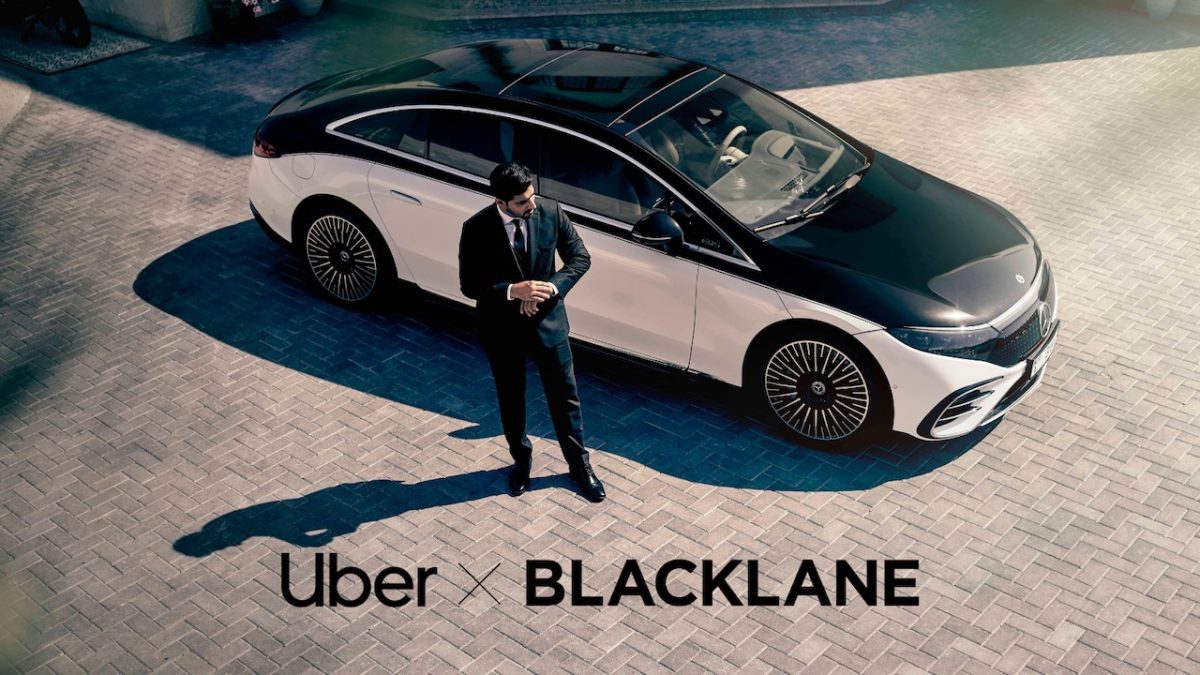
The ride-hailing giant Uber is making a bold move into the world of white-glove service. On March 30, the company announced it's acquiring Blacklane, a Berlin-founded chauffeur platform that's been quietly dominating the premium mobility space since 2011. The deal, expected to close by year's end, signals one thing clearly: Uber sees serious money in catering to travelers who'd rather skip the algorithm and call a professional driver instead.
Blacklane operates in more than 500 cities across 60 countries, which means it's already done the hard work of building trust with business travelers globally. The company built its reputation by doing something seemingly radical: allowing customers to book premium drivers in advance, rather than summoning one with a tap. For road warriors and executives, that reliability matters. Blacklane's model focuses on quality over velocity, a philosophy that puts it in sharp contrast to Uber's fast-food approach to transportation.
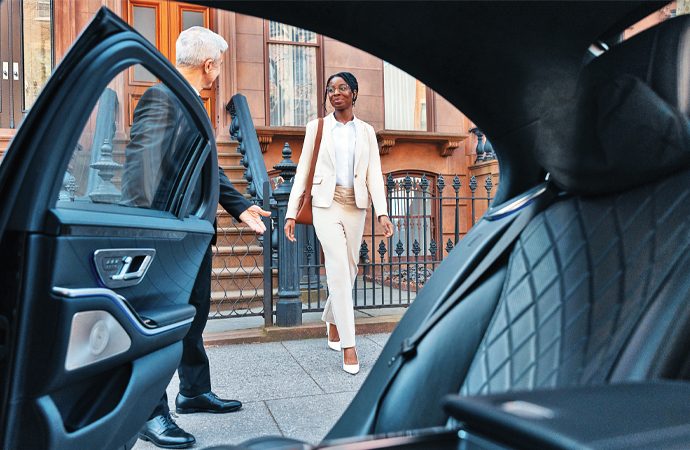
Uber isn't buying Blacklane just to park it in a filing cabinet. The company launched Uber Elite earlier this year, targeting executives and frequent business travelers with licensed professional chauffeurs in select U.S. cities. This acquisition turbocharges that strategy. By folding Blacklane's expertise and global footprint into its own operations, Uber gains instant credibility in markets where consistency and professionalism already matter more than speed.
Why Luxury Travel Is Suddenly Uber's Main Game
Dara Khosrowshahi, Uber's CEO, called premium travel "one of the most exciting growth areas" for the company. That's not boardroom speak. Look at what Uber's been launching lately: Uber Business Black for corporate customers who want both on-demand and pre-booked options, combined with a smarter approach to business logistics. The company has also rolled out Women's Preferences features to give female passengers the option to request women drivers, a move designed around actual traveler needs rather than just convenience.
These aren't random experiments. They're pieces of a larger puzzle. Standard ride-hailing is a commodity business with razor-thin margins. The real profit lives where trust, consistency, and professionalism overlap. That's where Blacklane already operates.
What This Means for You
If you travel frequently for work or pleasure, keep an eye on this. Blacklane founder Jens Wohltorf described the partnership as a milestone that will bring the company's "luxury hospitality expertise to new markets globally." That's code for: expect to see Blacklane's refined service approach integrated into Uber's massive network. Travelers in cities where Blacklane doesn't yet operate might soon gain access to the same standard of driver professionalism that made the platform stand out.
For corporate travelers, this creates interesting possibilities. As destinations compete harder for luxury visitor spending, transportation reliability becomes a selling point. A travel coordinator booking ground transport for executives now might bundle Uber Elite services with confidence, knowing they have Blacklane's vetting standards backing them up.
The broader story here is about market segmentation. For years, Uber disrupted travel by treating transportation like pizza delivery: fast, cheap, algorithmic. But the world has always had space for a different approach. Luxury business travel isn't interested in surge pricing or algorithmic matching. It wants to know a driver will be waiting, the car will be clean, the route will be efficient, and the experience will be forgettable in the best way possible. That's exactly what Blacklane sells. Now Uber is buying access to that playbook and planning to roll it out globally.
The deal closes later this year, subject to regulatory approvals. Expect announcements about expanded city coverage and feature integration soon after.