Pack light or pay up. That's becoming the unofficial motto of spring 2024 for anyone flying domestically in the United States.
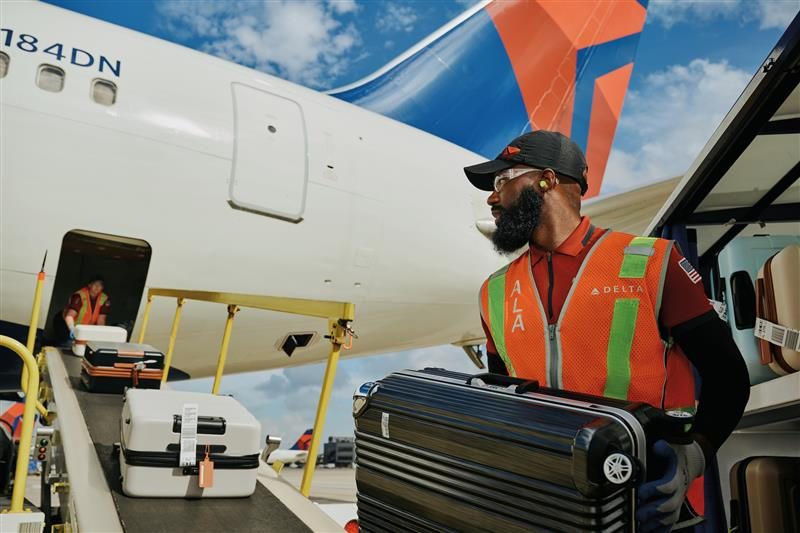
Delta Air Lines just became the fourth major U.S. carrier to announce higher baggage fees, and the timing is no accident. Starting April 8, you'll need to fork over $45 for your first checked bag (up from $35) and $55 for a second (up from $45). That third bag? It'll now cost you $200, a $50 jump. These hikes follow similar moves by United Airlines, JetBlue, and Southwest, which is implementing its own increases on April 9.
The culprit behind this fee frenzy is simple but painful: jet fuel. Prices have skyrocketed to $209 per barrel for the week ending April 3, according to the International Air Transport Association. That's a staggering 132% spike compared to last year's average. The Middle East conflict has disrupted global oil supply, squeezing airline margins hard enough that carriers are scrambling to offset costs without hiking base ticket prices (which would trigger additional taxes). Baggage fees have become the easiest target.
Not everyone pays the new price. If you're a Delta SkyMiles Medallion member, fly first class, serve on active duty, or hold an eligible airline credit card, you'll continue getting free checked bags. Long-haul international flights also remain unaffected for now. But for most of us booking a summer beach trip or visiting family cross-country, expect to pay more.
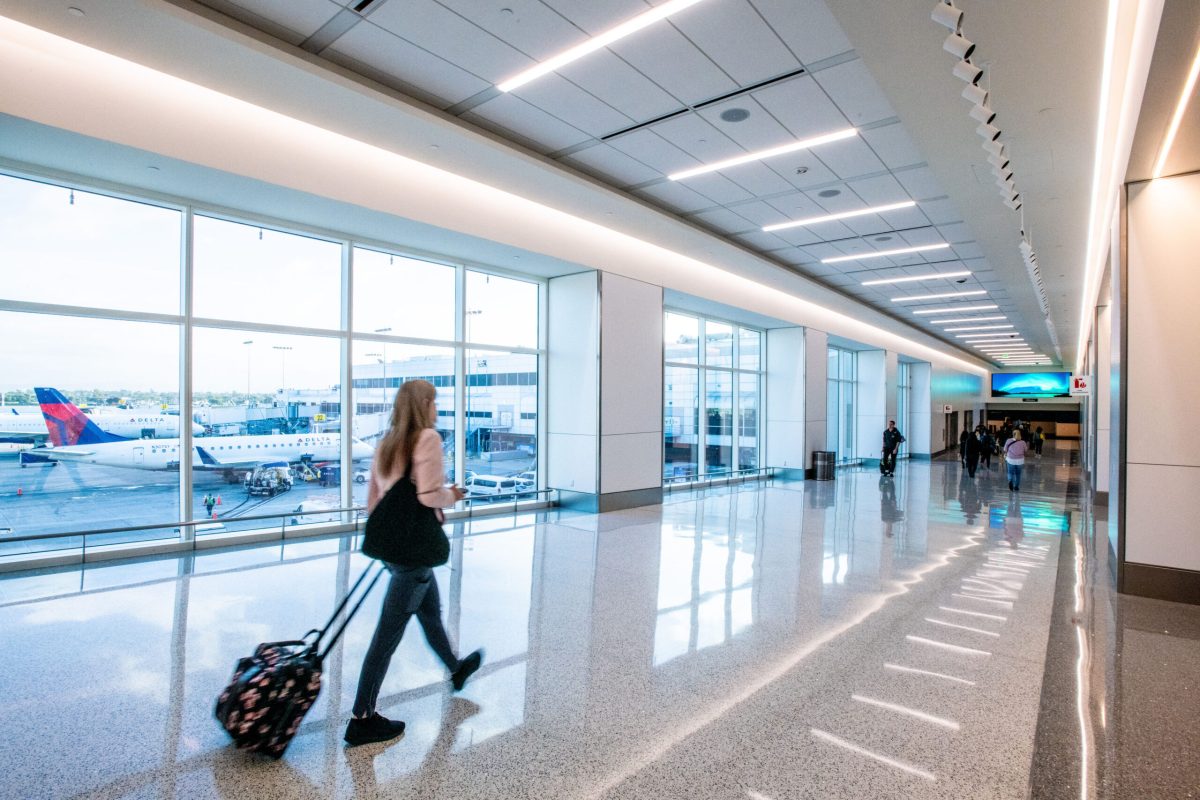
Deutsche Bank analysts warn things could get worse. If the Strait of Hormuz remains closed due to regional tensions, the U.S. airline industry could face tens of billions of dollars in additional fuel costs. That means more fee increases are likely coming if fuel prices stay elevated heading into peak summer travel season.
The silver lining? This latest round of increases is sparking a reckoning among budget-conscious travelers. Airlines worldwide are facing similar pressures, forcing passengers to rethink their packing strategies. Some are investing in high-quality carry-ons to avoid checked bag fees altogether. Others are shipping luggage ahead or embracing a minimalist travel philosophy they never thought possible.
What makes this moment different from past fee increases is the speed. United raised checked bag fees by $10 on many routes, while JetBlue introduced increases up to $9, with peak travel periods costing even more. Delta's decision marks its first domestic baggage fee increase in two years, so when it happens, it hits hard. And when Delta moves, other carriers typically follow.
Here's what you should do right now: if you're planning spring or early summer trips, book before April 8. Check your airline loyalty status and credit card benefits. Reconsider whether you truly need to check a bag. Some travelers are discovering that one strategically packed carry-on and a personal item are enough for week-long vacations.
The airline industry has long relied on ancillary fees to subsidize competitive base fares, but the tactic only works if customers accept the hidden costs. As these fees keep climbing, the math of "cheap airfare" becomes increasingly complicated. Your $300 flight to Florida might actually cost $410 after baggage, seat selection, and parking fees. That's worth factoring into your budget calculations, especially if you're comparing carriers this spring.