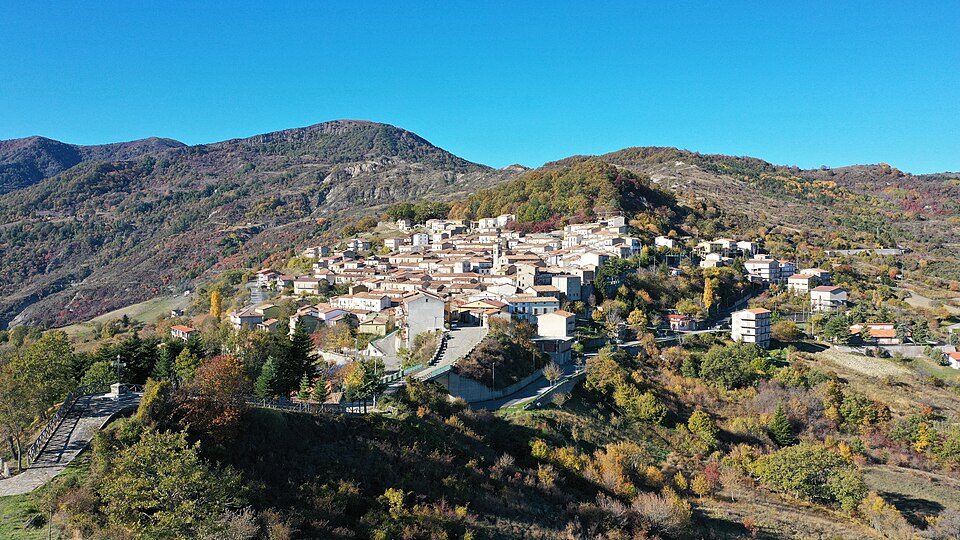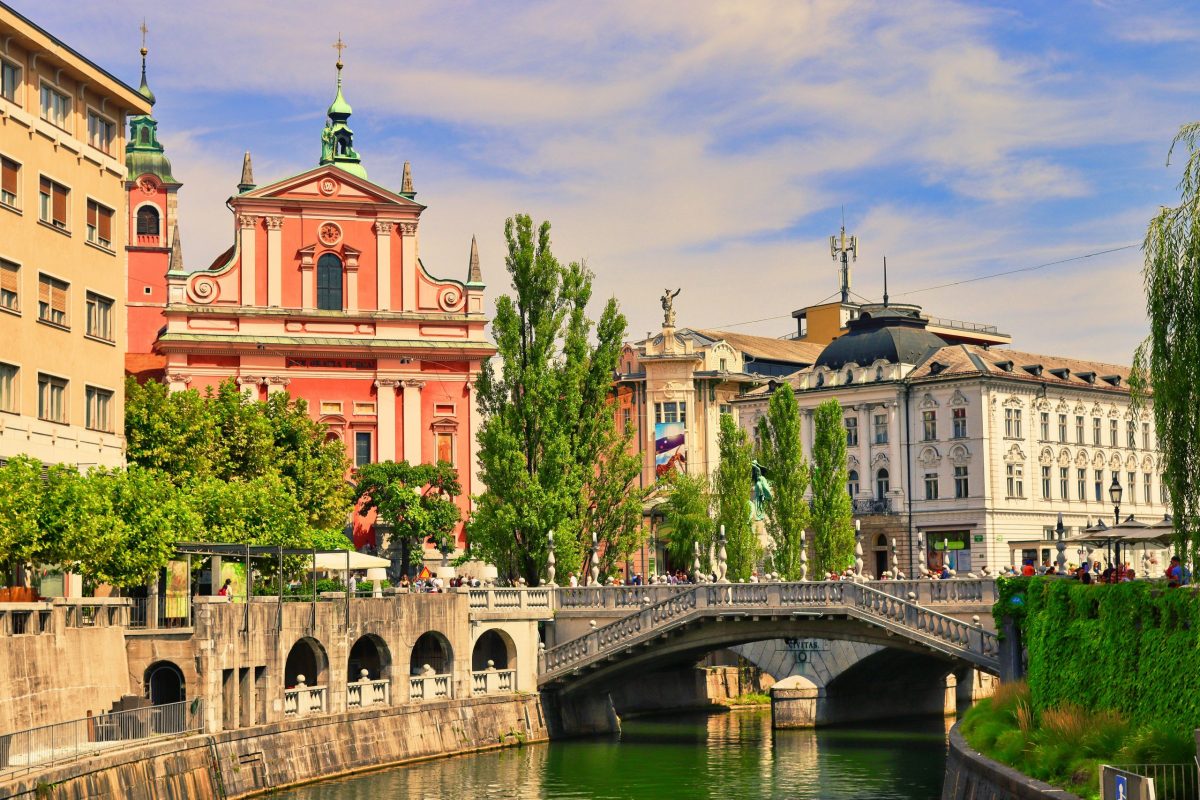
Two European destinations have just been handed a prestigious title that could reshape how travelers see them. Ljubljana, Slovenia's green capital, and Calvià, a municipality on the Spanish island of Mallorca, will share the 2027 European Capitals of Tourism crown. The European Commission announced the winners after 16 finalists pitched their visions to a jury in Brussels in November 2026.
This is the first year the award merges two previous competitions, the European Capital of Smart Tourism and the European Green Pioneer of Smart Tourism, into one. Ljubljana won the category for cities over 100,000 residents, while Calvià took the prize for destinations with 25,000 to 100,000 people. Both were chosen for their commitment to sustainability, accessibility, and involving locals in tourism decisions.
Ljubljana's quiet revolution
Ljubljana has long been known as one of Europe's most walkable capitals, but its winning bid went beyond the pretty old town. The jury praised the city for sharing its knowledge and bringing residents into the conversation. One standout is LUV Fest, a cultural festival held in February and March, when the city is usually quiet. It fills the low season with concerts, exhibitions, and performances, giving visitors a reason to come outside summer.
The city's Cultural Quarters initiative pushes travelers to explore neighborhoods beyond the historic center. Instead of funneling everyone to the same bridges and squares, it supports local art spaces, cafes, and galleries in residential areas. That means your trip might take you to a former factory turned studio or a community garden you would never find in a guidebook.
Accessibility is another pillar. Ljubljana Tourism partnered with the Brez ovir Institute to audit more than 450 hotels, attractions, and restaurants across the city and the wider Central Slovenia region. The findings are published online, so visitors with mobility needs can plan their routes in advance. The city also runs the Ljubljana FLOWS platform, which tracks arrivals, overnight stays, and occupancy rates. Since 2026, it has used AI to predict visitor flows, helping the city manage crowds before they become a problem.
Calvià's fight against mass tourism
Calvià, which includes the resorts of Magaluf and Palmanova, is trying to break free from its reputation as a party destination. The municipality's bid focused on protecting Posidonia seagrass meadows, restoring beaches in winter, and preserving the Puig de sa Morisca Archaeological Park, where ancient ruins sit alongside pine forests.
But the most striking move is the plan to reclaim land from obsolete hotels. The former Hotel Teix in Magaluf and Hostal Colón in Peguera are slated to become public green spaces and electric mobility hubs. That is a bold statement in a region where tourism has long dominated the economy. It comes as Mallorca faces growing protests over overtourism, with locals demanding limits on visitor numbers and action on housing costs. Calvià's approach suggests a shift from high-volume tourism to something more sustainable and year-round.
Both winners will receive EU-level promotional support in 2027, including videos and international media exposure. That could mean more visitors, but the hope is that they will come for the right reasons. If you are planning a trip, consider visiting outside peak season. Ljubljana's winter festivals and Calvià's quieter months offer a different, more authentic experience. For more on how European destinations are rethinking tourism, check out this look at the new community-first playbook.
The award also highlights a broader trend in European travel. 2027 is the first year the two competitions merged, signaling a push for smarter, greener tourism across the continent. And with Ljubljana and Calvià as the winners, the message is clear: destinations that prioritize residents and the environment are the ones to watch. For travelers, that means more meaningful experiences and fewer crowded hotspots. If you are curious about how other places are handling the balance, this piece on Europe's tourism safety plan offers a reality check.
So, will you be booking a trip to Ljubljana or Calvià in 2027? Both are betting that sustainability is not just a buzzword but a way to attract travelers who care about where they go. And with the EU's backing, they might just pull it off. For more on how tourism is evolving, see how two nations are betting on tourism to reshape their futures.