
Forget pickpockets and lost luggage. The real threats to European travel now read like a disaster movie script: climate-driven wildfires, water shortages, energy blackouts, cyber attacks, even geopolitical fallout from wars. The question is not whether these risks will hit, but whether Europe's tourism industry is ready when they do.
That was the core debate at the Global Tourism Forum's annual meeting in Brussels, where a panel of experts gathered to scrutinize the European Union's freshly unveiled Sustainable Tourism Strategy. The plan sounds ambitious, with promises of stronger crisis preparedness and a new European Tourism Crisis Coordination Network. But as the discussion made clear, coordination plans written in Brussels often stumble on the ground.
Building Safety Before the Storm
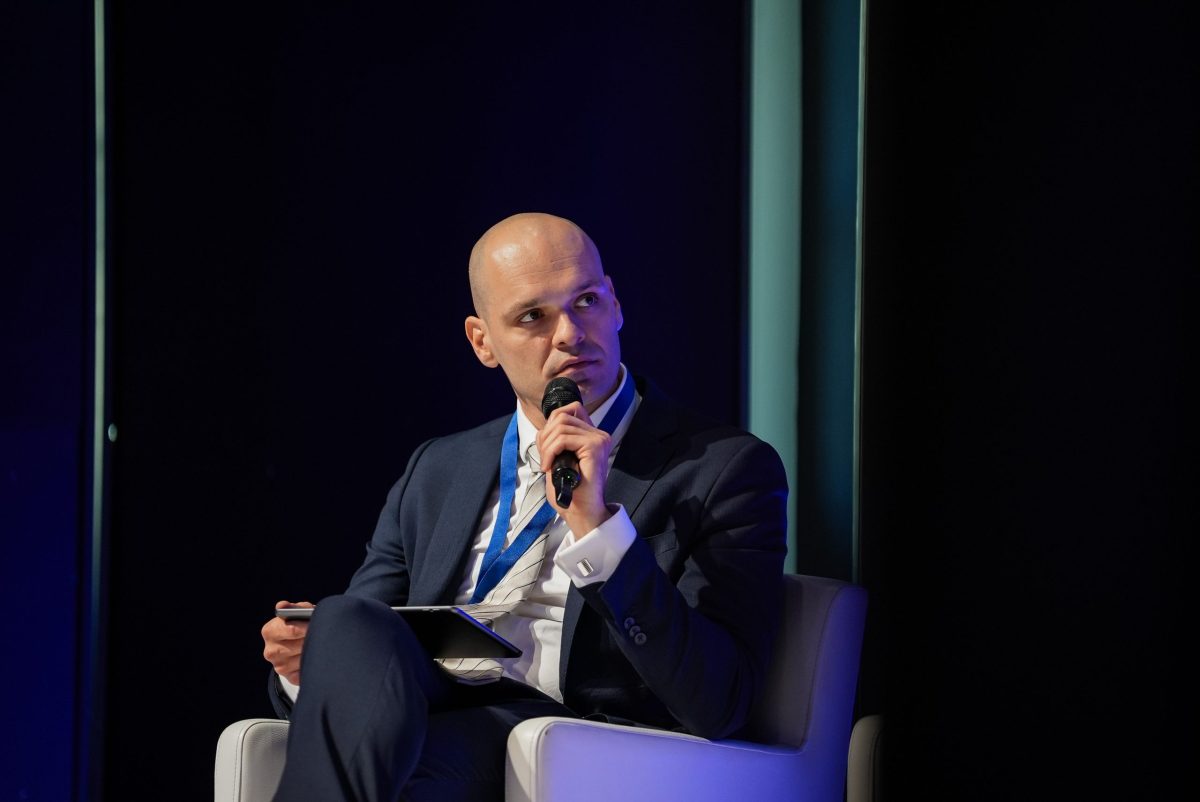
Cristina Núñez, strategy director for NECSTouR, the network of European regions for sustainable tourism, argued that security cannot be an afterthought. It has to be baked into how destinations operate every day, not switched on when trouble arrives. She pointed to Finnish Lapland, where authorities, businesses, and universities have spent two decades weaving a safety net that proved its worth during the pandemic. The region now runs risk laboratories to spot threats before they escalate.
“Tourism safety at destination level, you build it before the crisis arrives,” she said. But she admitted that most of Europe is not there yet. “I would like to say that we are there, but we are not there yet.”
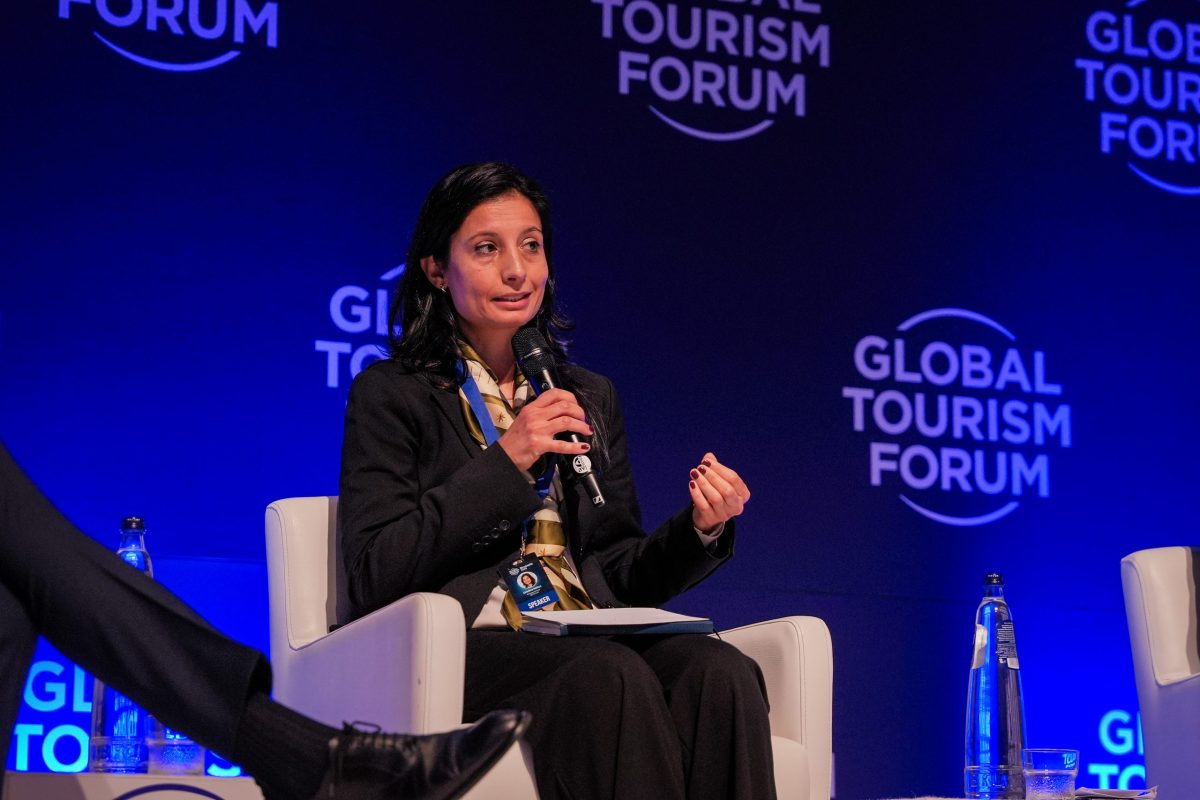
Núñez also highlighted how Russia's invasion of Ukraine reshaped tourism near the Finnish border. While the town of Salla held its ground, businesses in Kotka-Hamina still feel the loss of Russian day visitors and their spending. That example, she said, shows why destinations must measure success beyond overnight stays and consider the real economic contribution of every traveler.
The August Test
Maltese MEP Daniel Attard pushed the conversation into uncomfortable territory. He noted that Croatia crams more than half of its annual tourist nights into July and August, putting immense strain on water, power, and transport. His challenge to the EU's crisis network was blunt: run a drill on a Saturday night in August. If the plan only works in February, it is not a plan at all.
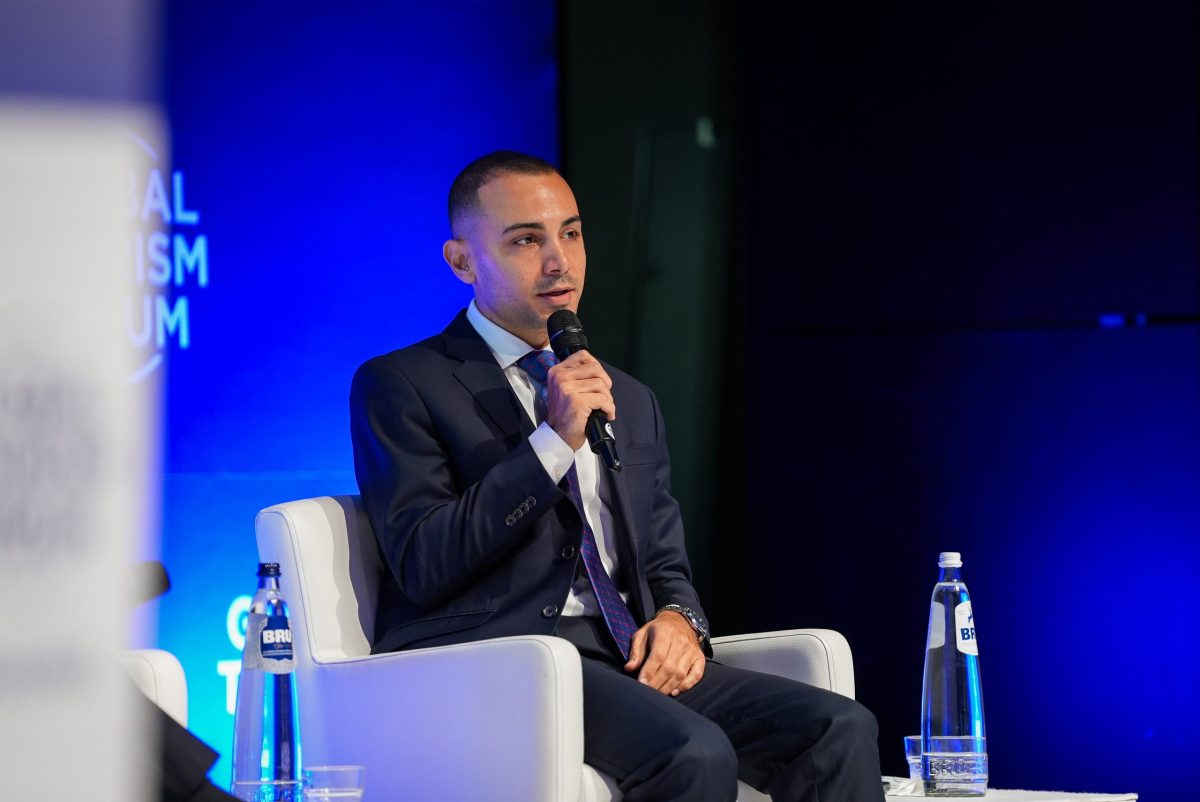
Attard also called for a European information hub where local, regional, and national authorities can share reliable updates during emergencies, while keeping operational control at the destination level. He criticized the “silo mentality” that leaves airports, hotels, and transport operators working in isolation, even though travelers experience them as one connected journey. “The data is there. The technology is there,” he insisted. The missing piece is putting those tools to work.
What Travelers Actually Worry About
Eric Drésin, secretary general of the European Travel Agents' and Tour Operators' Associations, brought the discussion back to the person booking a holiday. For them, safety is not just about whether a place is dangerous. It is about whether someone will help if things go wrong. He recalled how, in May and June, uncertainty over jet fuel supplies made some travelers afraid they might fly to Europe and never get back, which discouraged long-haul trips.
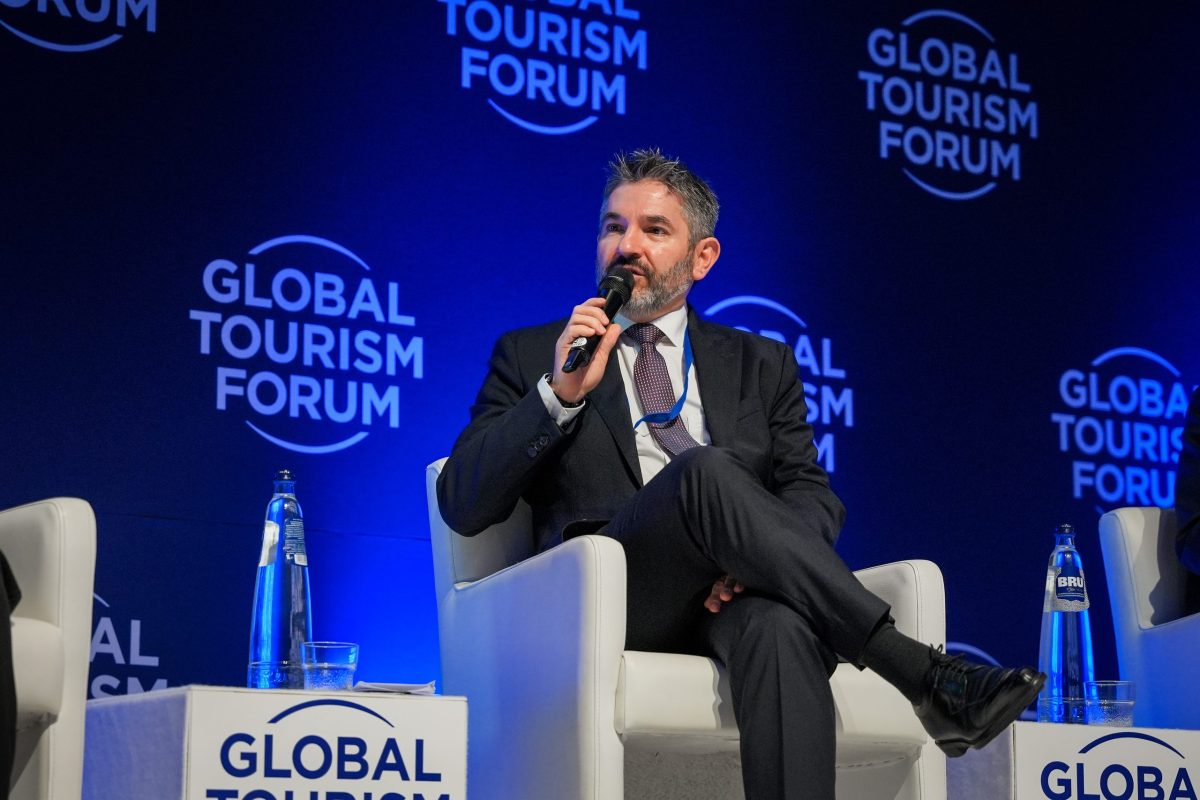
Travel intermediaries cannot stop wildfires or fix power grids. But they can provide accurate information, reroute plans, and arrange repatriation, if authorities share timely updates. “We are not only selling a product, we are selling an experience,” Drésin said. He praised the European Centre for Disease Prevention and Control's regular updates during COVID as a model of useful coordination, even if similar systems cannot exist for every risk.
The EU's proposed crisis mechanism could finally replace the patchwork of country-by-country responses with something more organized. That would be a win for travelers and for the businesses that serve them. For a deeper look at how destinations are rethinking their priorities, see Tourism's New Playbook Puts Communities First and Climate Front and Center.

Security That Serves Everyone
All three panelists agreed on one thing: resilience only works if it benefits locals as much as visitors. “A destination is a home as well. So, it will only work as long as it works for the people on the ground,” Attard said. That means investing in infrastructure that serves residents year-round, not just tourists in peak season. It also means protecting small businesses that depend on visitor spending, a theme echoed in Tourism's New Scorecard Goes Beyond Money and Numbers.
The EU's strategy is a start, but the real test will come when the next crisis hits. Whether it is a heatwave, a cyber attack, or a geopolitical shock, Europe's tourism industry will need more than a document. It will need tested plans, shared data, and trust between everyone involved. Until then, travelers should keep an eye on official advice and pack a little patience. For more on how Europe is shaping its travel future, check out Europe Just Adopted Its First Ever Tourism Strategy. Here's What Travelers Should Know.