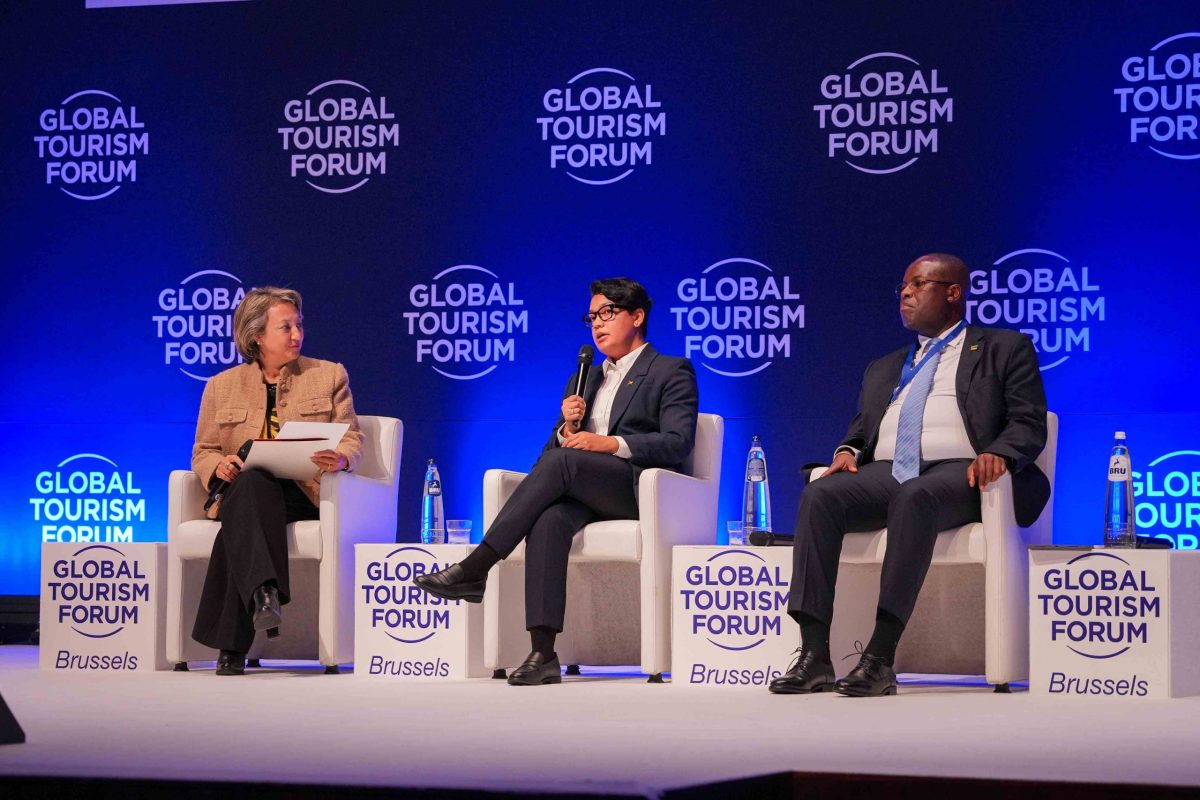
On a gray Brussels morning, two countries thousands of miles apart took the same stage to sell a shared dream. Guyana and Mozambique, one in South America, the other in southeast Africa, both see tourism as a way to rewrite their economic stories. Their pitch to investors at the Global Tourism Forum Annual Meeting was simple, stable, connected, and ready for business.
Guyana's Minister of Tourism, Susan Rodrigues, called her country "the emerging destination" of South America. The numbers back her up. 453,000 visitors arrived in 2025, a 22% jump from the year before. Since oil production started in 2019, the government has poured revenue into roads, airports, healthcare, and schools. Nine international hotel brands and 12 new airlines have landed in just six years. "The world is noticing Guyana," she said.
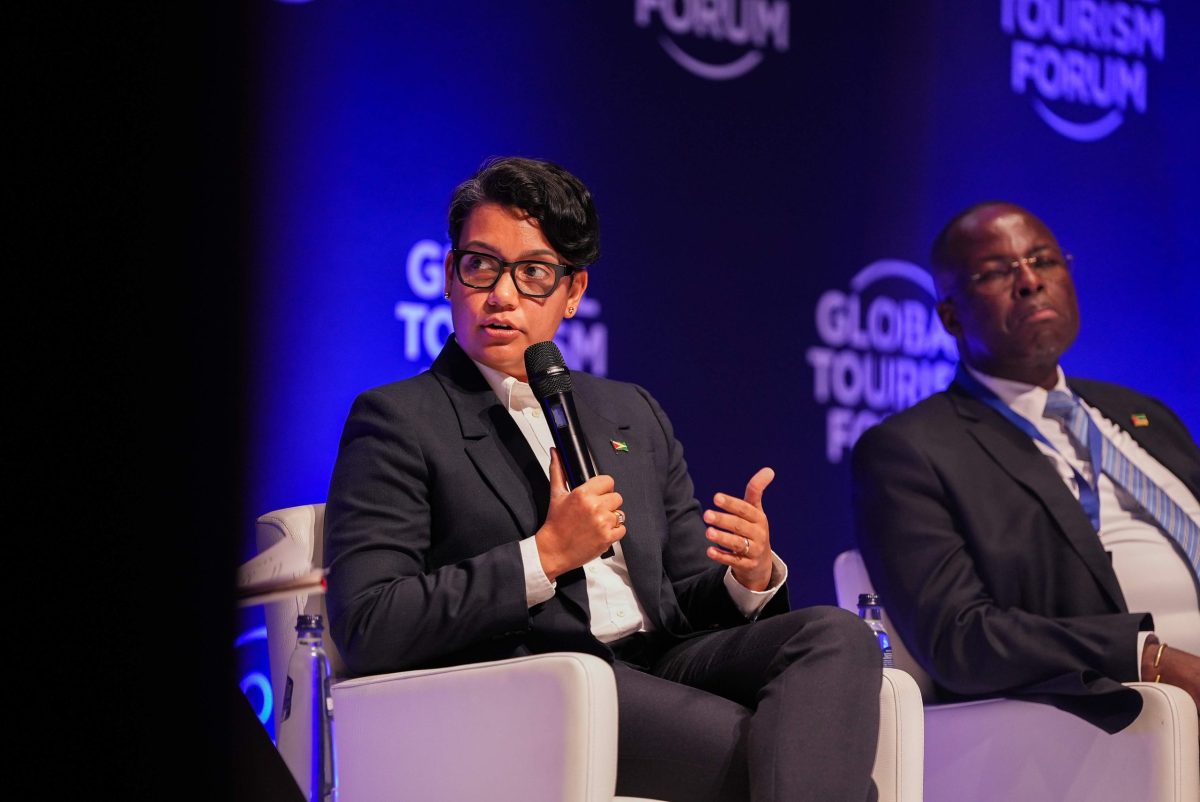
Connectivity remains the biggest hurdle, for both nations. Rodrigues admitted that domestic and international links are still a work in progress. But she stressed that investors care most about one thing, stability. And she insisted that growth must reach everyday people. Indigenous communities in Guyana run their own ecotourism experiences. Under a US$750 million deal with Hess Corporation, 15% of carbon credit sales goes directly to those villages, helping them fund sustainability plans. "Guyana's transformation will not come at the expense of our environment," she said, "and neither will it come at the expense of our identity."
Mozambique's Secretary of State for Tourism, Fredson Victor Bravo Bacar, told a similar story. For years, the country leaned on beach holidays along its 2,700 kilometers of coastline. Now it is diversifying into conservation, culture, gastronomy, and golf. Legal reforms have opened the door to new tourism and golf zones in Inhambane province. The second Mozambique Tourism Summit, which wrapped up last Friday, packaged 20 projects for potential backers.
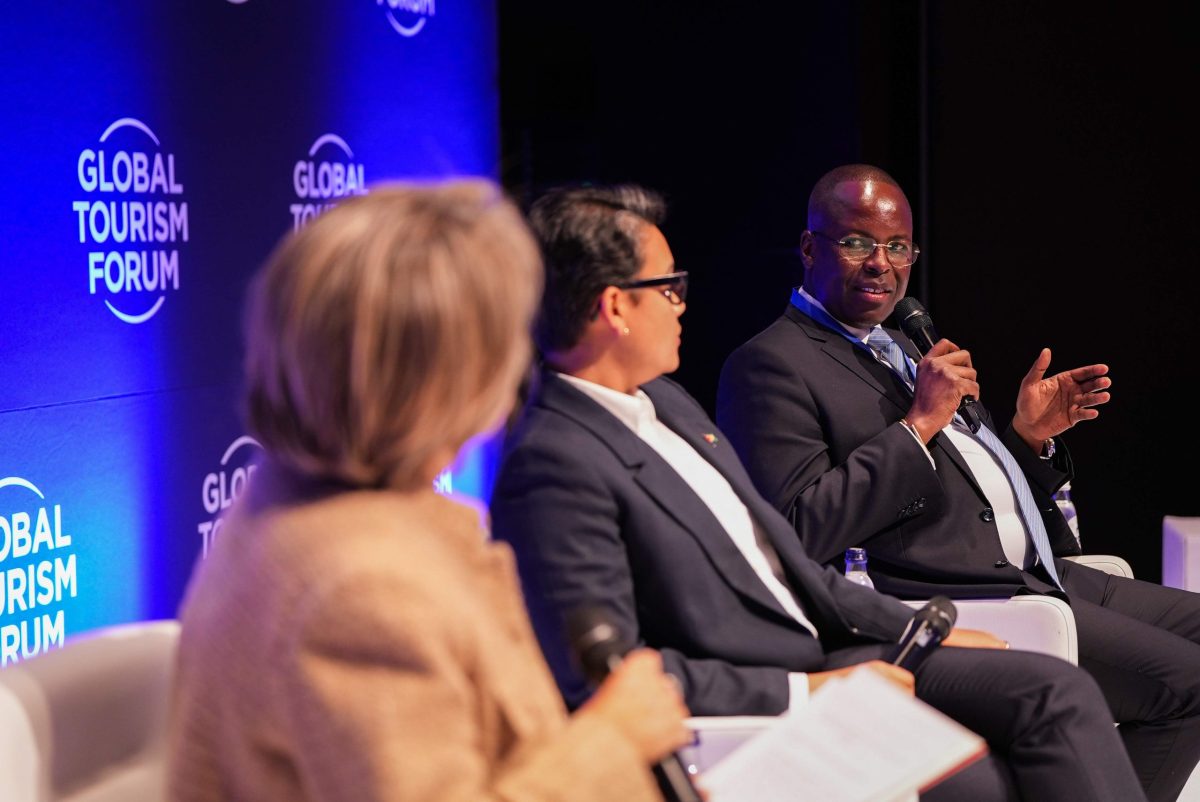
Bacar's ambition is clear. Tourism currently makes up less than 5% of Mozambique's GDP. He wants that to reach 8 to 10% within a decade. More than a quarter of the country's land sits under conservation, a huge draw for eco-minded travelers. "We need the investors. We need partnerships that work with us, work with our communities to create the products," he said. His closing line was a direct invitation, "Mozambique is rich. Mozambique is open."
The ministerial dialogue, moderated by Turkish Airlines board member Özgül Özkan Yavuz, wrapped up the first day of the forum. Held at the Royal Museums of Fine Arts of Belgium, the event focused on capital flows, bankable projects, and green investment. Yavuz noted that tourism creates jobs for young people and women, a point that resonates in both countries. The conversation echoed themes from earlier sessions, including the push for better connectivity that dominated discussions about getting travelers to destinations.
For travelers, the pitch translates into new options. Guyana offers the chance to explore untouched rainforest, meet Indigenous communities, and watch a country transform in real time. Mozambique promises pristine beaches, wildlife-rich parks, and a cultural scene that goes far beyond sunbathing. Both are betting that tourism can fund a better future without sacrificing what makes them special.
The forum's second day turned to security, resilience, and trust, with sessions on borders, cybersecurity, and climate health. The event closed with the Brussels Agenda for Tourism Investment and Security. But the message from Guyana and Mozambique lingered, tourism is not just about vacations. It is a tool for change. As Rodrigues put it, "The world is noticing." The question now is whether investors will follow.