For nearly two decades, a quiet stone building perched on the Acropolis hill sat shuttered, its treasures moved elsewhere and its halls turned into offices. But on 23 November 2026, the Old Acropolis Museum threw open its doors once more, and Athens just got a whole lot more interesting.
The museum, which first opened in 1874, is the oldest purpose-built museum in modern Greece. It closed in 2007 when its collection was transferred to the sleek New Acropolis Museum at the foot of the hill. For years, it lingered in obscurity, even serving as administrative space. Then came the economic crisis, and the building's future looked bleak. But in 2018, authorities decided to bring it back to life. After a seven-year, 6.2 million euro restoration funded by public money and private donations, the museum is finally welcoming visitors again.
What awaits inside is a blend of old and new. The permanent exhibition showcases 750 carefully restored archaeological objects from Athens, many of which have never been shown to the public. Sculptures that once adorned the Acropolis now sit in natural light, their details visible up close. But the museum doesn't stop at ancient stones. A digital experience called 'Parthenon Alive' uses artificial intelligence to bring around 100 Acropolis monuments to life, offering a dynamic way to understand the site's history. There's also a contemporary art installation by American-Iraqi artist Michael Rakowitz, where modern works converse with ancient artifacts from the Middle East and southeastern Mediterranean.
Greece's Culture Minister Lina Mendoni made the museum's mission clear at the opening. "For us, it was inconceivable, almost an affront, that this historic building, with its uniquely privileged location, should be converted into offices and storerooms," she said. "We therefore decided that the museum should reopen in accordance with its original purpose."
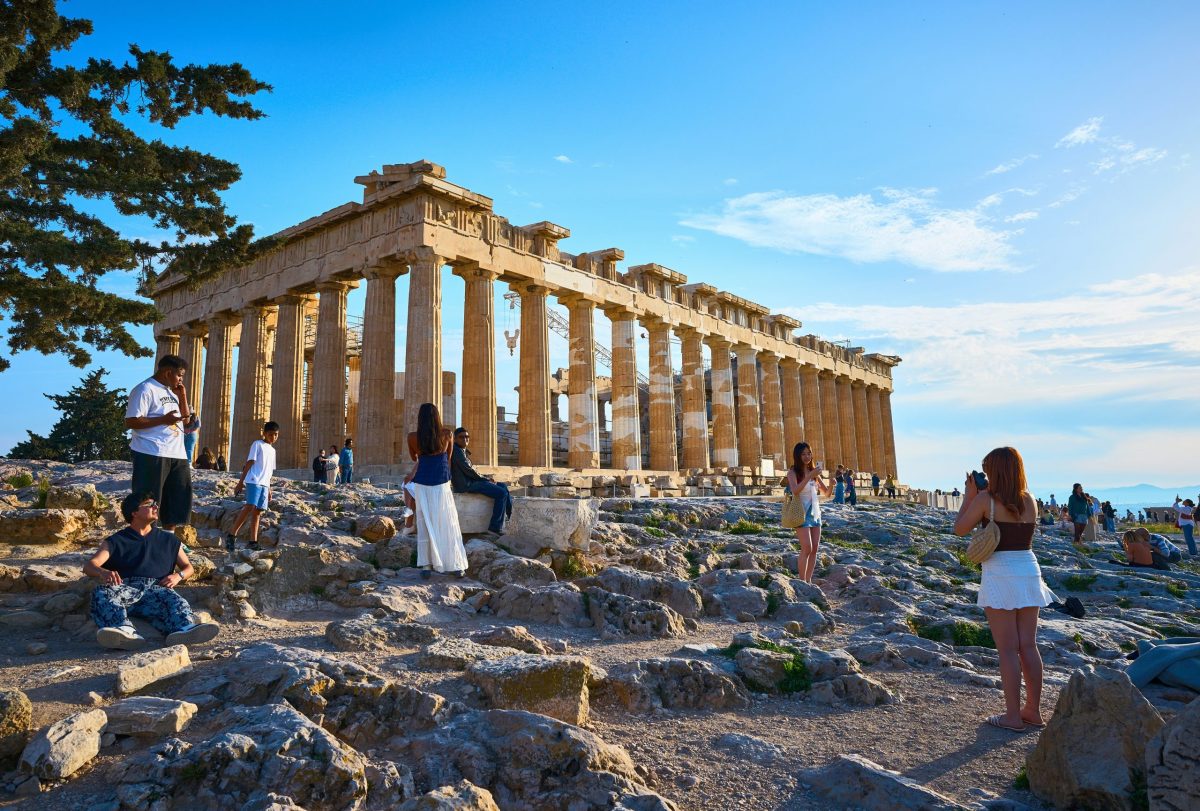
The reopening also gave Prime Minister Kyriakos Mitsotakis a platform to revisit a long-standing national ambition. Standing just meters from the Parthenon, he reiterated Greece's demand for the return of the Parthenon Marbles, currently held by the British Museum in London. "The return and reunification of the Parthenon Marbles remains our great and non-negotiable national objective," he said. "The place of these priceless masterpieces is here, under the Attic light and in direct contact with the temple to which they belong."
For travelers, the practical details are simple. The Old Acropolis Museum is open daily, and entry is included in the combiticket for the Acropolis archaeological site, which also grants access to the main site and other ancient landmarks. That makes it an easy addition to any Athens itinerary, especially for those who want to dig deeper into the city's layered history without extra cost.
This reopening is part of a broader wave of museum revivals across Greece. Over the past seven years, the country has delivered 34 new or renovated museums to the public, a sign of how seriously it takes cultural tourism. And with the Acropolis already drawing 4.6 million visitors in 2025, the Old Museum adds a fresh reason to linger on the hill.
If you're planning a trip to Athens, consider pairing a visit to the Old Acropolis Museum with a stroll through the city's other cultural gems. For more museum inspiration, check out how China's Zi Museum turns a meadow into an open-air art labyrinth, or see why China just swept the world's most-visited museums ranking. And if you're dreaming of a Greek escape, you might be interested to know that Greece just toppled Italy as the ultimate honeymoon hotspot.
The Old Acropolis Museum is more than a collection of artifacts. It's a testament to resilience, a bridge between ancient and modern, and a reminder that some stories are worth telling twice. The museum reopened on 23 November 2026 after a 6.2 million euro restoration. Entry is included with the Acropolis combiticket, so you can explore both sites in one visit. And with 750 artifacts on display, many never seen before, it's a compelling reason to look beyond the Parthenon's marble columns.