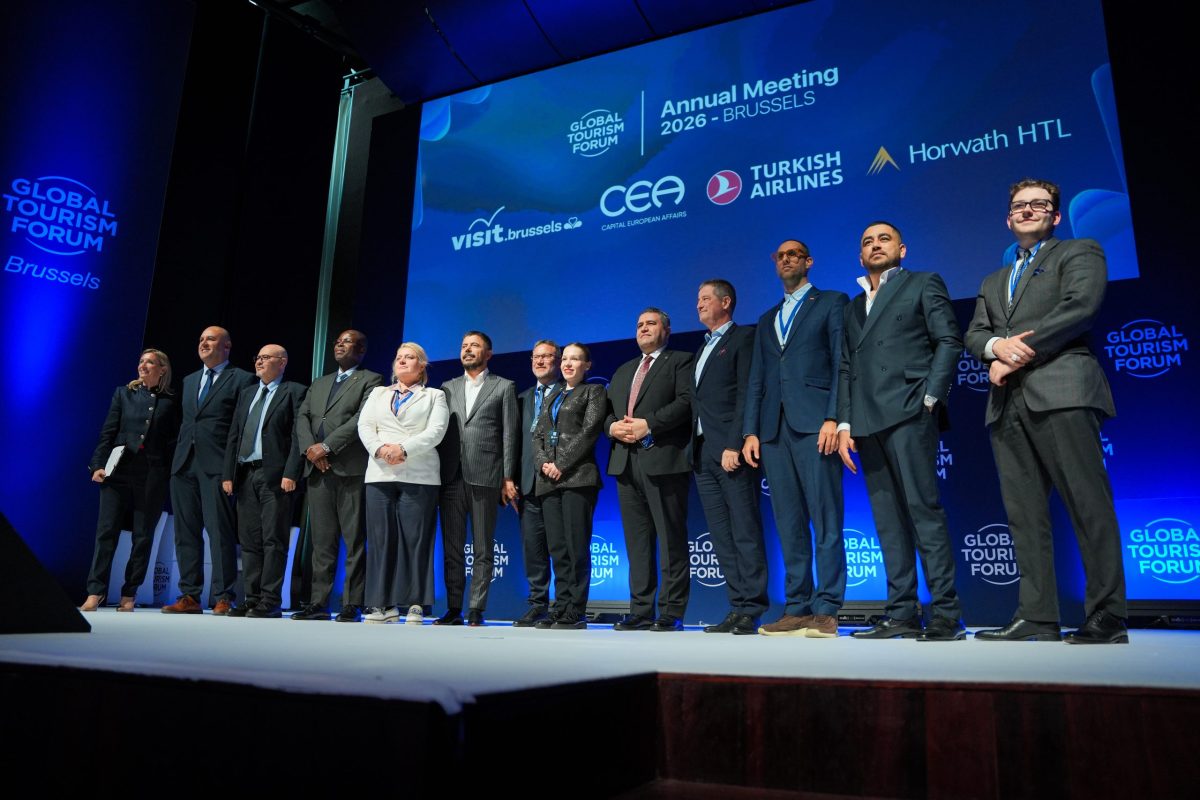
The Global Tourism Forum 2026 wrapped up in Brussels with a clear message for the travel industry: tourism needs to be easier to reach, tougher in the face of climate change, and more rewarding for the people who actually live in destinations. The two-day event, held at the Royal Museums of Fine Arts of Belgium, brought together policymakers, investors, and industry leaders to hash out how to make that happen.
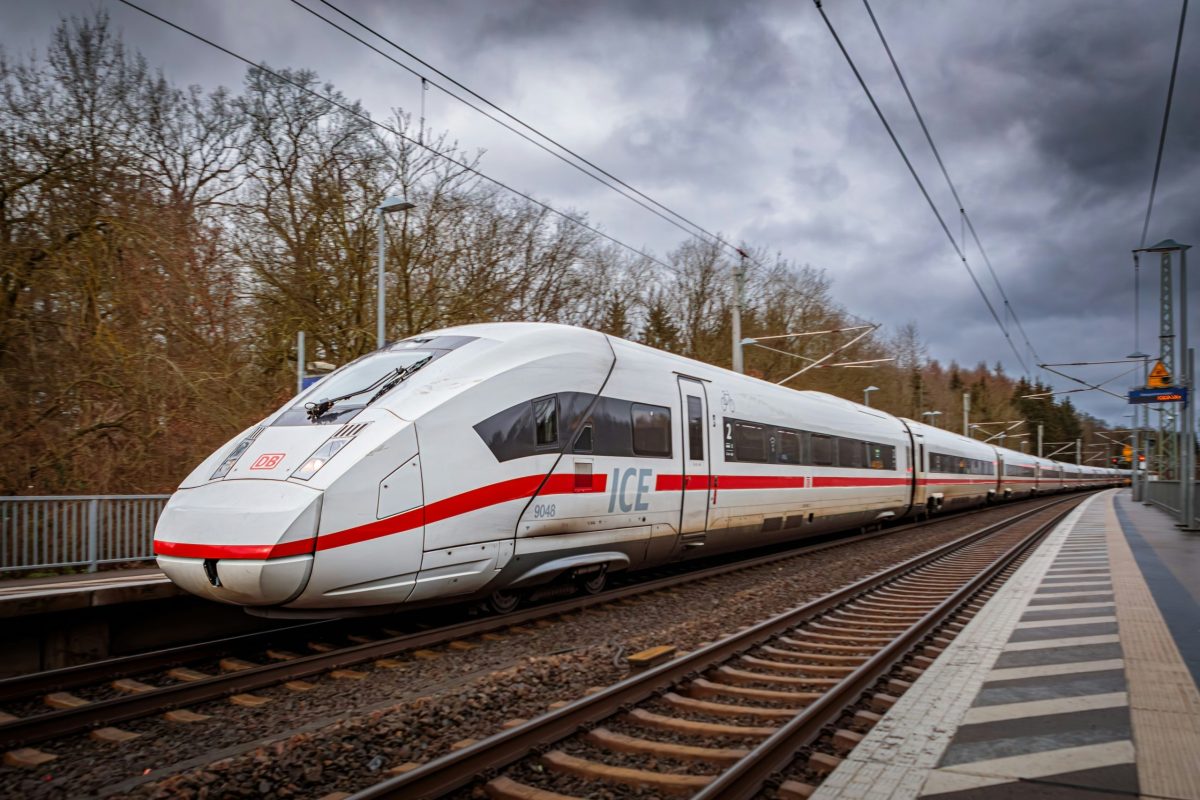
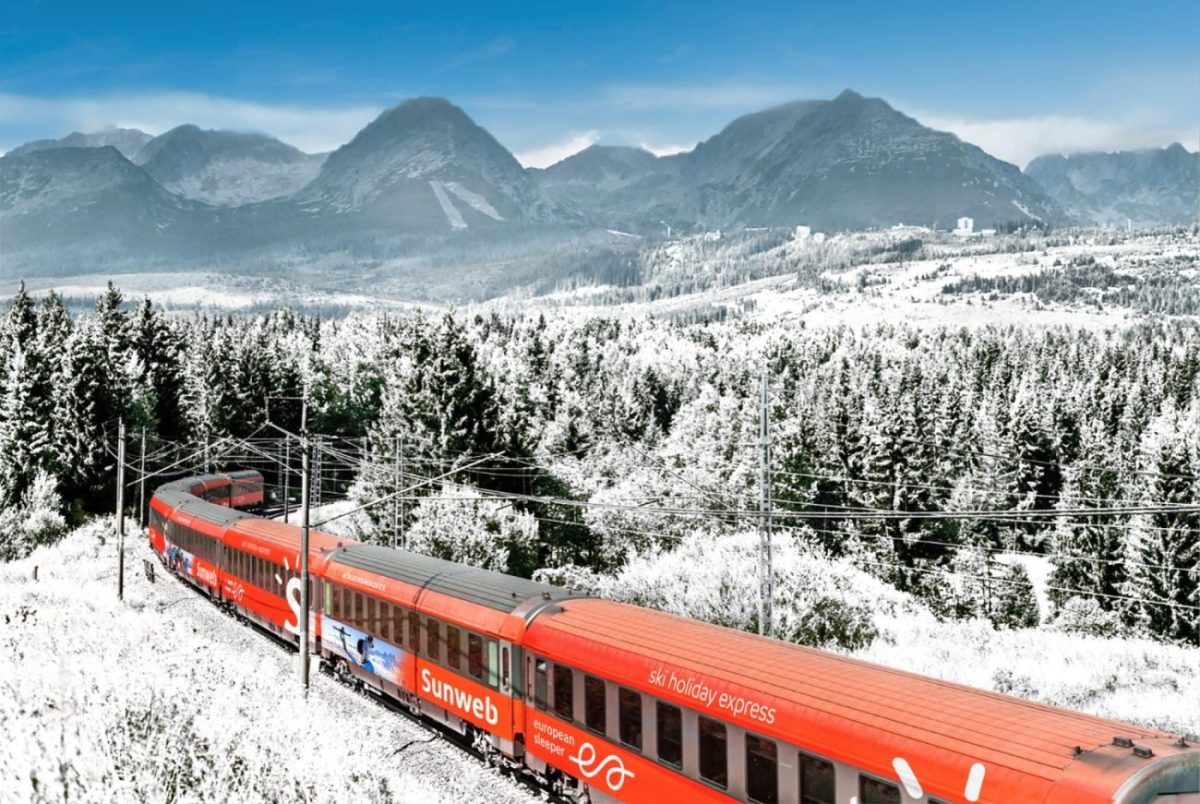
One of the big takeaways from the final day was the push for smoother cross-border travel. Oana Gherghinescu, executive director of the European Union Agency for Railways, called on rail authorities and booking platforms to tear down the barriers that make international train trips a headache. Her pitch was simple: if you can book a train from Paris to Berlin as easily as you book a flight, then smaller towns along the route start to benefit, not just the big hubs. That idea of spreading the love beyond the usual hotspots came up again and again.
In northern Norway, the town of Kirkenes has already figured out how to stretch its season from four months to seven. Weibin Wang of Hiseas International and Nordis described how coaches and seasonal programs helped make that happen. The trick was making experiences easy to find and book, which builds predictable demand, which in turn encourages investment and better transport links. It's a virtuous cycle that other destinations are eager to copy.
But not everything is smooth sailing. Vincent Snauwaert from TUI pointed to traffic rights and protectionism as major obstacles to expanding air services. He warned that airlines might pull out of routes if they feel climate-related taxes are punitive. His advice to destinations was to come to the table with funded plans, backed by tourism ministries and treasuries, not just wishful thinking.

On the sustainability front, the conversation turned to making the whole destination resilient, not just the hotels. Inge Huijbrechts from Radisson talked about how a decade of city-led regeneration in Sheffield made it possible to turn a historic venue into a net-zero hotel. The lesson? Green tourism needs local partners and long-term planning, not just eco-certifications. In Georgia, Nathalie Kvachantiradze made a similar point, saying that year-round hiking and food and wine tourism depend on local roads that can handle snow and floods. Funding remains a hurdle, though. Nico Nicholas from Zero Group described how converting wastewater into biofuels could help offset the costs of the green transition, but securing backing for that kind of technology is still tough.
The European Commission's Andreea Staicu pointed to EU toolkits that help destinations manage visitor flows, water, waste, and climate risks. She stressed that managing demand also means attracting visitors outside peak season, which spreads the economic benefits more widely. That's a theme that resonates with travelers who are tired of overcrowded hotspots.

Ministers from Montenegro, Guyana, and Mozambique shared their own success stories. Montenegro's rural hospitality sector has exploded, growing from a few dozen registered businesses to more than 400 in five years. Guyana is linking economic growth and infrastructure investment to community-owned tourism experiences. Mozambique is diversifying beyond sun and beach with conservation, cultural exchange, and gastronomy. These examples show that tourism can be a genuine engine of economic transformation when locals have a stake.
The forum also touched on traveler confidence, with discussions on border procedures, passenger protection, and data security. Forum president Bulut Bağcı linked public confidence to feeling safe and knowing what to expect when traveling. The planned Brussels Agenda for Tourism Investment and Security could turn these discussions into concrete action, but only if funding and responsibility are clearly assigned.
For travelers, the takeaway is that the industry is finally thinking about the long game. Easier train bookings, longer seasons in places like Kirkenes, and community-led tourism in Guyana and Mozambique are all signs that the future of travel is more local and more resilient. If you're planning a trip, consider looking beyond the usual tourist traps. The two nations betting big on tourism to reshape their futures are worth watching, and the real tourism battle is getting there, as the forum made clear. For more on how the industry is changing, check out tourism's new scorecard that goes beyond money and numbers.