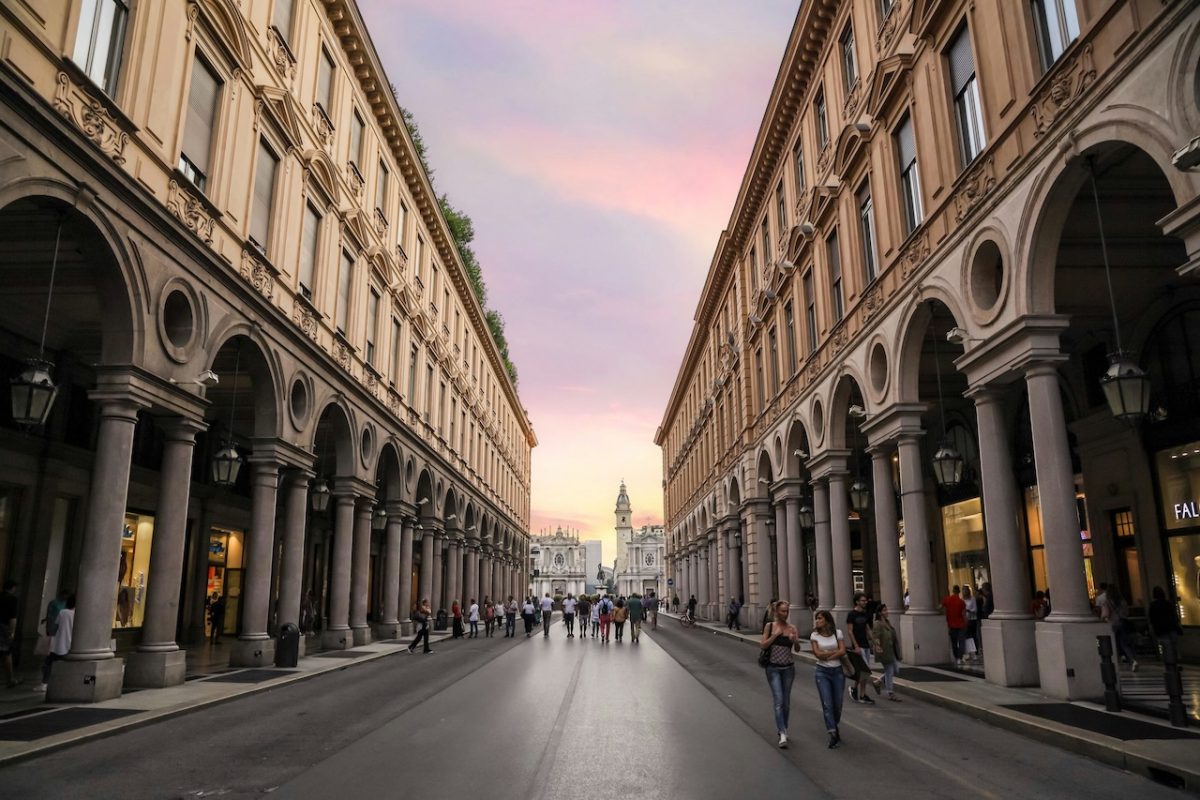
Forget everything you thought you knew about where to find the best chocolate in Europe. A fresh analysis has crowned Turin, not Paris or Brussels, as the continent's reigning chocolate capital. The shift catches many travelers off guard, but the numbers tell a compelling story about heritage, craftsmanship, and how travel tastes are quietly evolving.
The research assessed cities across multiple dimensions: total chocolatiers, chocolate-focused attractions, customer reviews, and how often travelers actually search for these destinations online. Turin dominated the competition with approximately 233 dedicated chocolate makers, five chocolate-centric attractions, and nearly 50,000 monthly Google searches for "Turin chocolate." That kind of sustained interest reveals something real about what's driving modern food tourism.
Why Turin's claim runs deep
Turin's chocolate pedigree stretches back to 1585. We're not talking about a trendy newcomer here. This city shaped the entire language of European chocolate, developing legendary creations like gianduja (that hazelnut-chocolate blend that should probably be declared a food group) and bicerin, a traditional drink that locals still obsess over. Walk through the city's old quarters and you'll find chocolate shops that have occupied the same storefronts for generations.
Travelers can tour the Pfatisch Chocolate Museum, visit working factories with heritage brands like Caffarel, or time their visit around CioccolaTò, the annual festival that transforms the city into a chocolate lover's fever dream. The atmosphere mixes serious confectionery craft with genuine celebration, which is exactly what food tourism should feel like.
The rest of the European podium
Perugia, nestled in Umbria, claimed second place with particularly strong Google reviews. The city built its reputation on Baci chocolates and hosts the Eurochocolate festival, which draws nearly 900,000 visitors annually. It's Europe's largest chocolate celebration, featuring artisanal vendors, live performances, chocolate sculptures the size of small buildings, and workshops that actually teach you something useful.
Salzburg took the bronze medal with 51 chocolatiers and the original Mozartkugel recipe, first created in 1890. York, England, surprisingly cracked the top four despite having only 12 chocolate shops. It compensates with serious search volume (over 12,000 monthly searches) thanks to its historic confectionery heritage and attractions like York's Chocolate Story. Antwerp rounded out the top five, offering 44 chocolatiers and major destinations including Chocolate Nation and Choco-Story.
The bigger picture for travelers
This shift reflects a broader transformation in how people approach city breaks. More travelers are heading to Europe than ever, but increasingly they're seeking specific experiences centered on authentic local craftsmanship rather than hitting generic tourist checkboxes. Food-focused tourism isn't novelty anymore; it's become a primary reason people plan entire trips.
The report notes that chocolate-themed travel has surged particularly around Easter and spring holidays, suggesting that niche food tourism peaks at specific times. Destinations like Turin benefit from fewer crowds compared to Paris or Brussels, while offering deeper local traditions and more meaningful interactions with artisans. That's the appeal: authentic over overcrowded, specific over generic.
Yes, Brussels remains legendary for its pralines and historic chocolate shops. Paris still defines luxury confectionery for many. But neither made the top ten in this assessment, suggesting that travelers hungry for chocolate experiences are looking beyond the obvious choices. They're discovering places where chocolate isn't a tourist attraction layered onto a city; it's woven into the actual cultural fabric. Turin earned its crown the old-fashioned way, by deserving it.