
When a crisis hits a tourist destination, the chaos often feels sudden. But the experts who gathered at the Global Tourism Forum in Brussels on 10 November have a different view. They argue that the groundwork for a resilient destination is laid long before the first alert sounds. The closing panel, titled "Climate Security, Health Security and Tourism Resilience," brought together voices from the European Commission, water research, academia, and crisis management to sketch out a new playbook for travel safety.
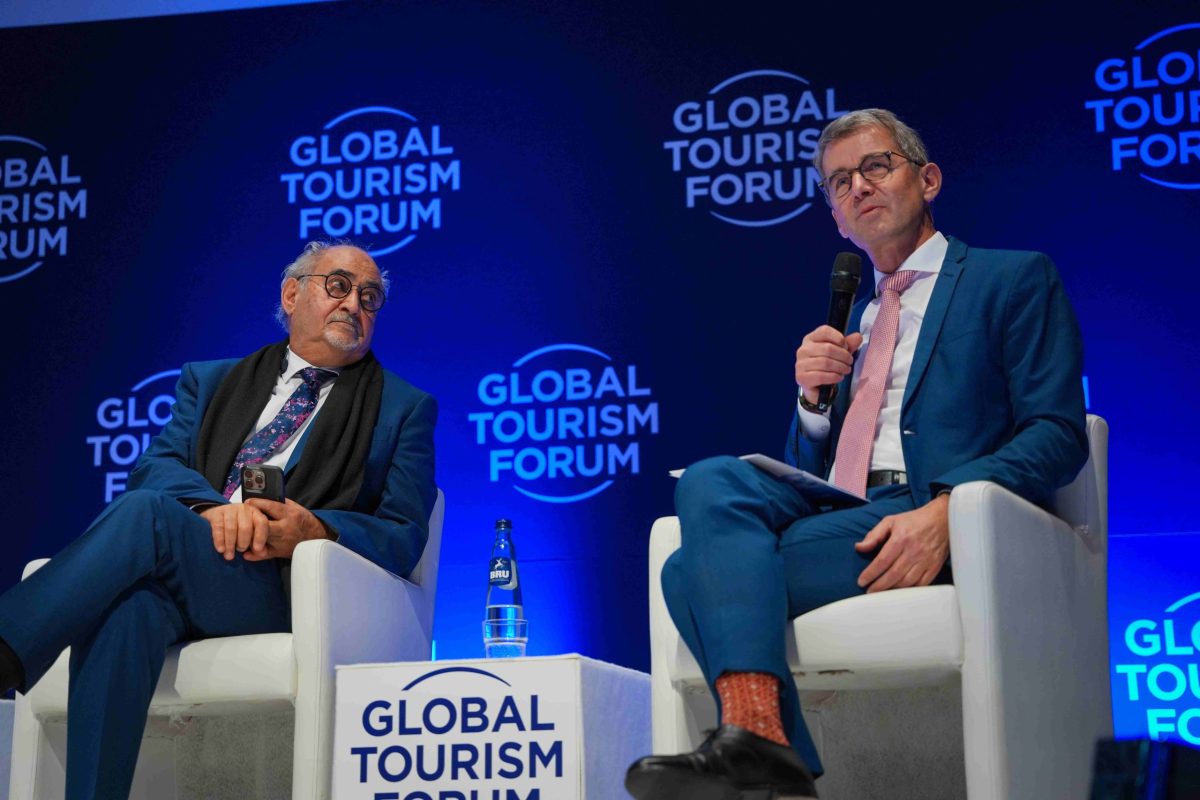
Victoria Petrova, Senior Tourism Expert at the European Commission's Directorate-General for Mobility and Transport, set the tone by reframing tourism as a serious economic pillar, not just a leisure activity. It now accounts for more than 10% of the gross value added in the European economy. But she stressed that preparation cannot rest on businesses alone. Even the most agile hotel or tour operator will hit a wall if public transport, regulations, and local infrastructure aren't aligned. "You could have the best reaction of an SME, a hospitality company, but if the rules are not adapted, if the public transport is not adapted, there will be a bottleneck," she said. Her advice, a destination must first be "acceptable, agreeable, practical, safe" for its own residents, and then visitors will benefit too.
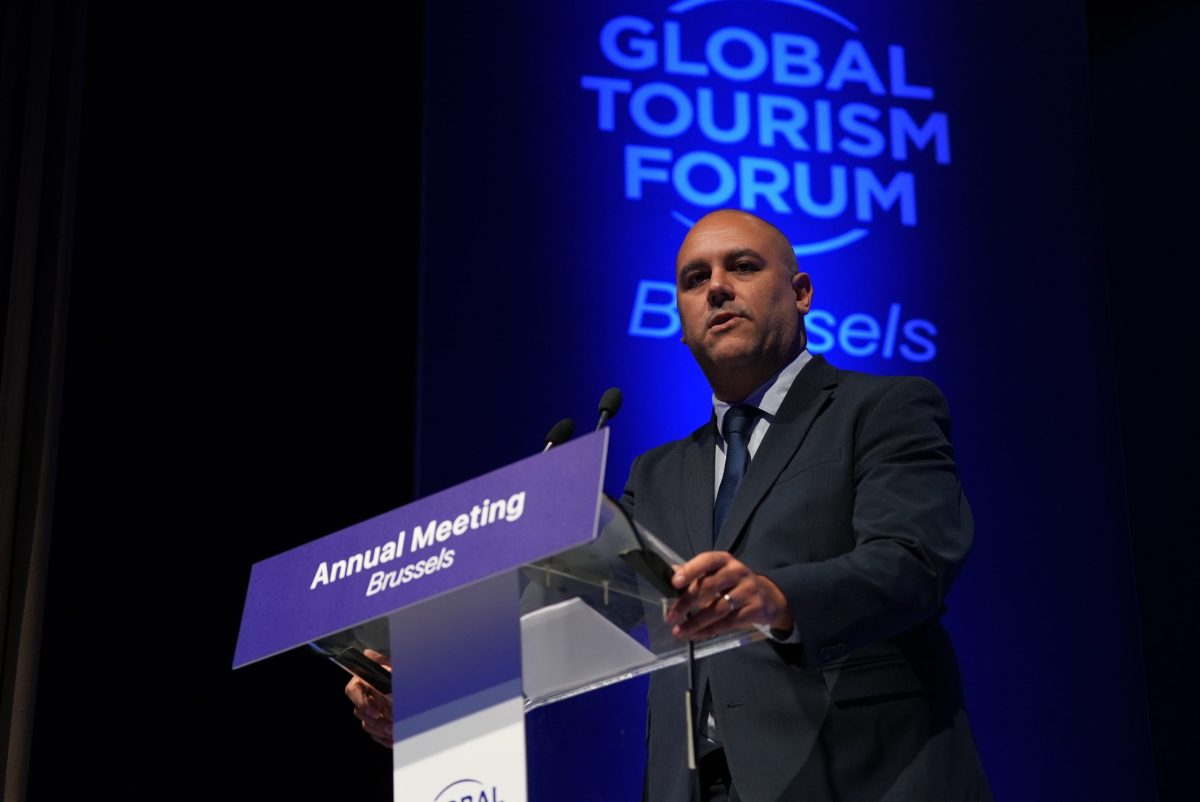
The European Union is already moving on this front. The EU Sustainable Tourism Strategy, adopted on 4 November, includes a new EU Tourism Crisis Coordination Network where national and European authorities can share experiences. There's also an online EU Tourism Academy aimed at workers and small businesses. These tools are designed to make sure that when a crisis does occur, the response is coordinated rather than fragmented.
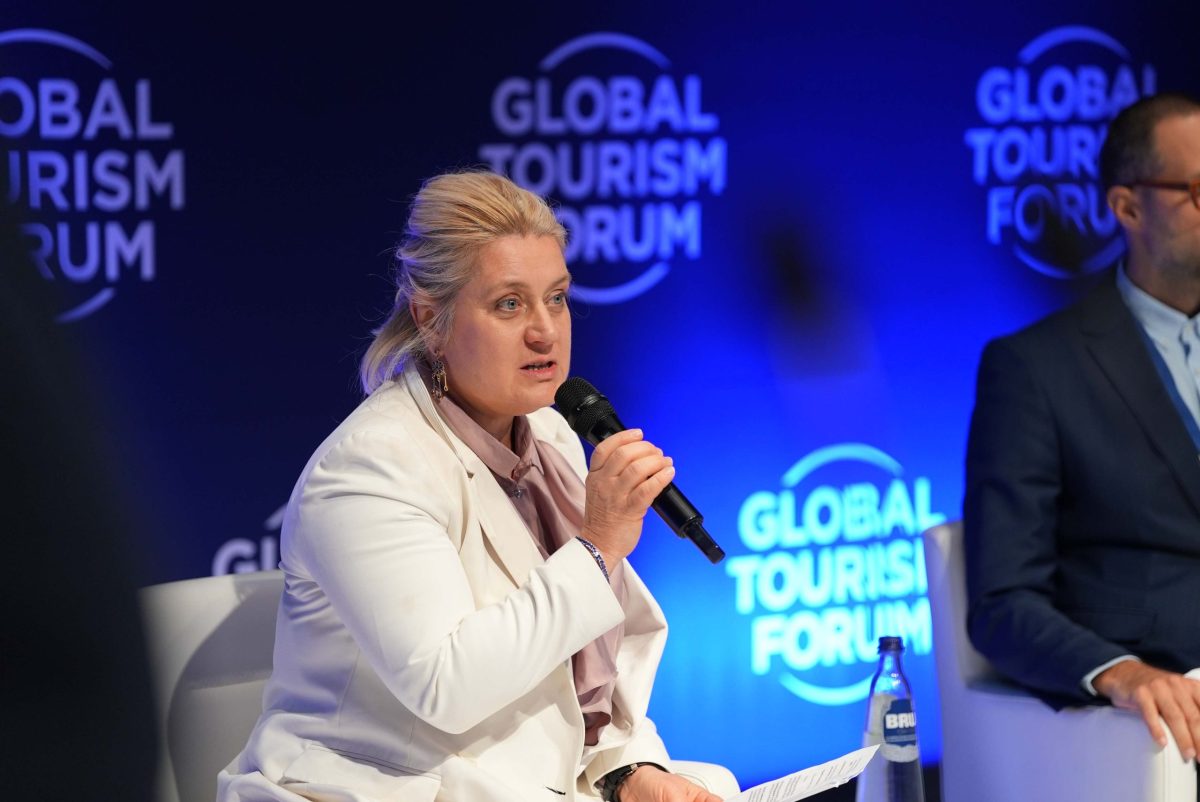
Water, often overlooked in tourism planning, took center stage thanks to Marko Gajić, co-founder of the Bled Water Forum. He and his team have developed what they call a "new literacy" around drinking water, assessing it by source, treatment, and distribution. They're even rolling out QR codes that show mineral levels, hardness, pH, and safety alerts. Hotels are lining up for this, Gajić said, with the forum fully booked until the start of 2029. For travelers, this means a future where you can scan a code at your hotel sink and know exactly what's coming out of the tap.
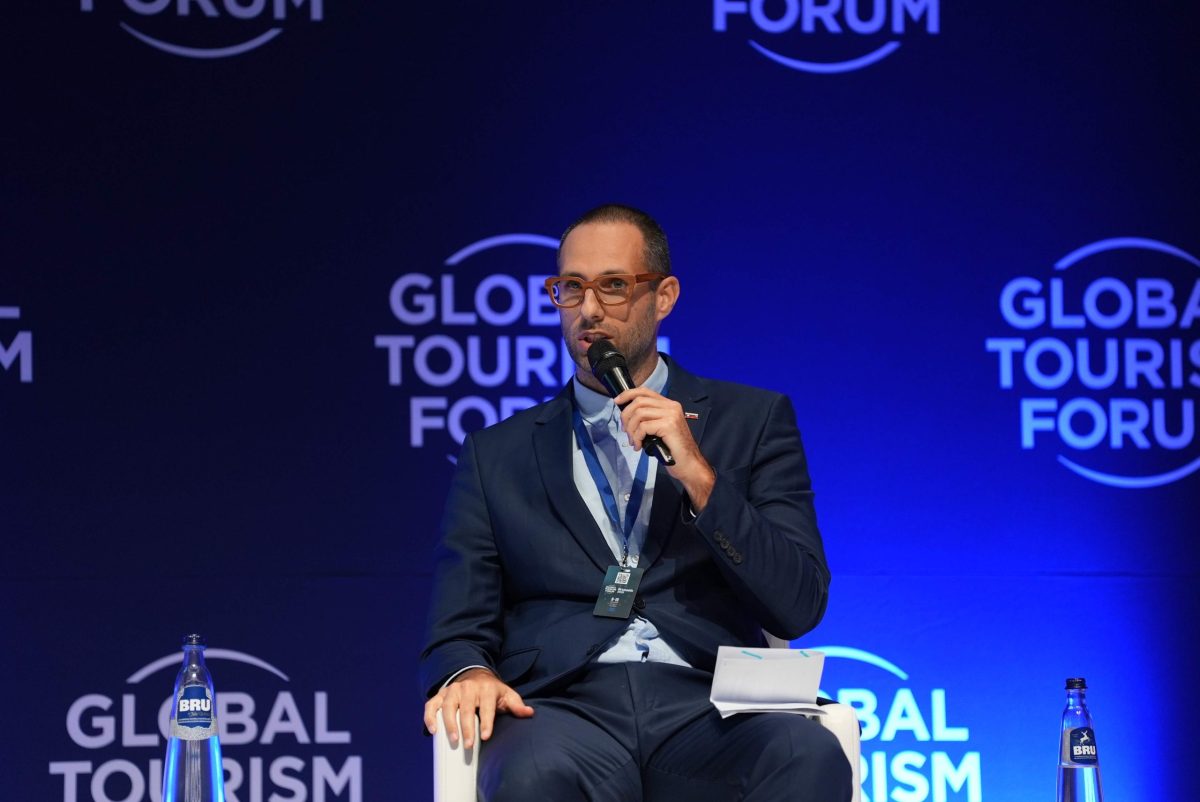
Artificial intelligence is another frontier. Prof. Dr Ali Jafari of Purdue University, founder of Course Networking, pointed out that AI could transform hotel management the way it has reshaped online learning. Imagine a train accident that strands dozens of guests. Within seconds, a hotel manager could know exactly how many arrivals are affected and adjust staffing and rooms accordingly. "We should not underestimate the power of AI," he said. The technology is already there, the question is whether the travel industry will embrace it.
Martin Barth, founder of the World Tourism Forum Lucerne, brought the discussion down to earth with a real-world safety exercise. His team simulated an emergency in a destination, pulling in tourism businesses, rescue services, safety authorities, and educational institutions. The lesson, no one can handle a crisis alone. "You can't just have documents ready," he warned. Instead, he offered three priorities, a written crisis plan, constant training, and crisis education in schools and universities. That last point is key, because the next generation of travelers and tourism workers will need these skills baked in from the start.
The panel closed a two-day meeting at the Royal Museums of Fine Arts of Belgium. The first day focused on investment, with calls for coordinated funding in green and climate-resilient destinations. The second day zeroed in on security and resilience, covering everything from cybersecurity to border systems. The takeaway for travelers is that the industry is finally taking preparedness seriously, and that could mean smoother trips even when things go wrong.
For those planning trips to regions prone to heat waves or wildfires, the conversation is especially relevant. As Greece's summer wildfire crisis reshapes travel plans across Europe, destinations are being forced to adapt. Similarly, Kazakhstan's heat crisis is changing when and how to visit. These are not isolated incidents, they're part of a broader pattern that the tourism industry can no longer ignore.
So what does this mean for the average traveler? It means that the places you visit are likely to become more resilient, with better communication, smarter technology, and more training. It also means that you, as a traveler, should pay attention to local advisories and be flexible when plans change. The industry is learning to brace for the worst, and that's a good thing for everyone who loves to explore.