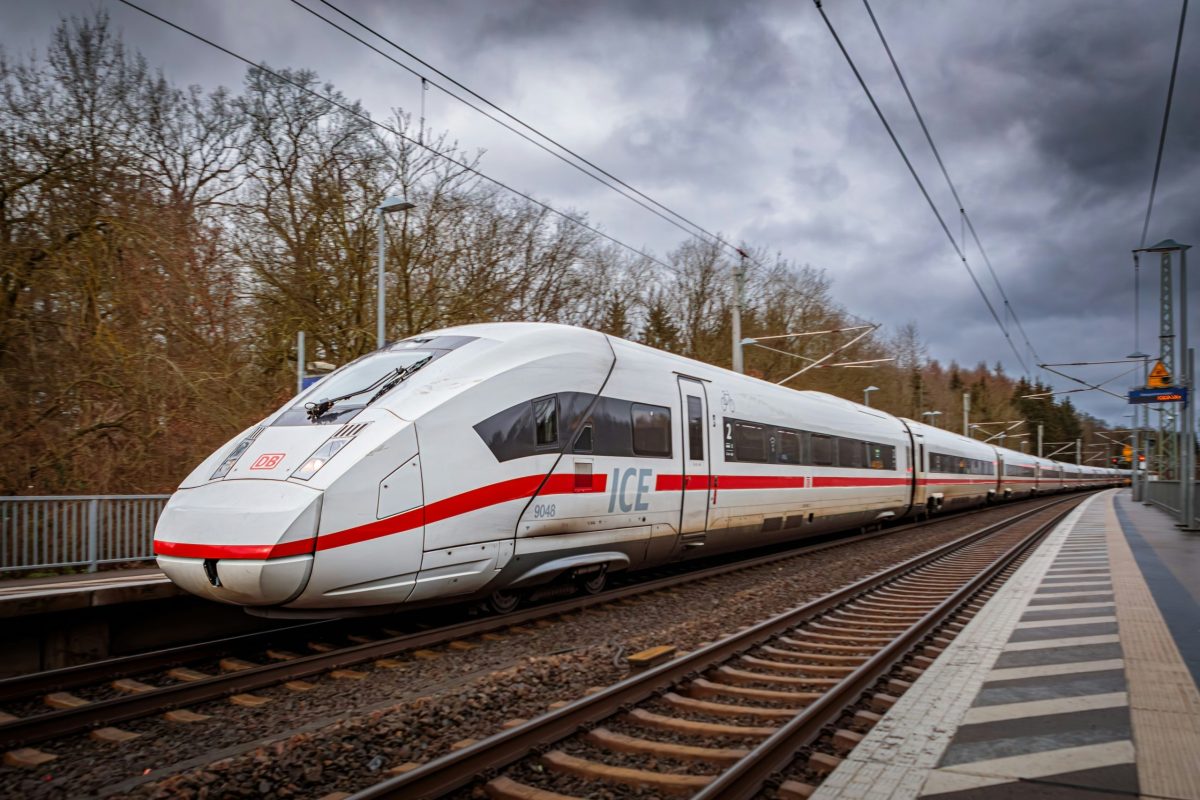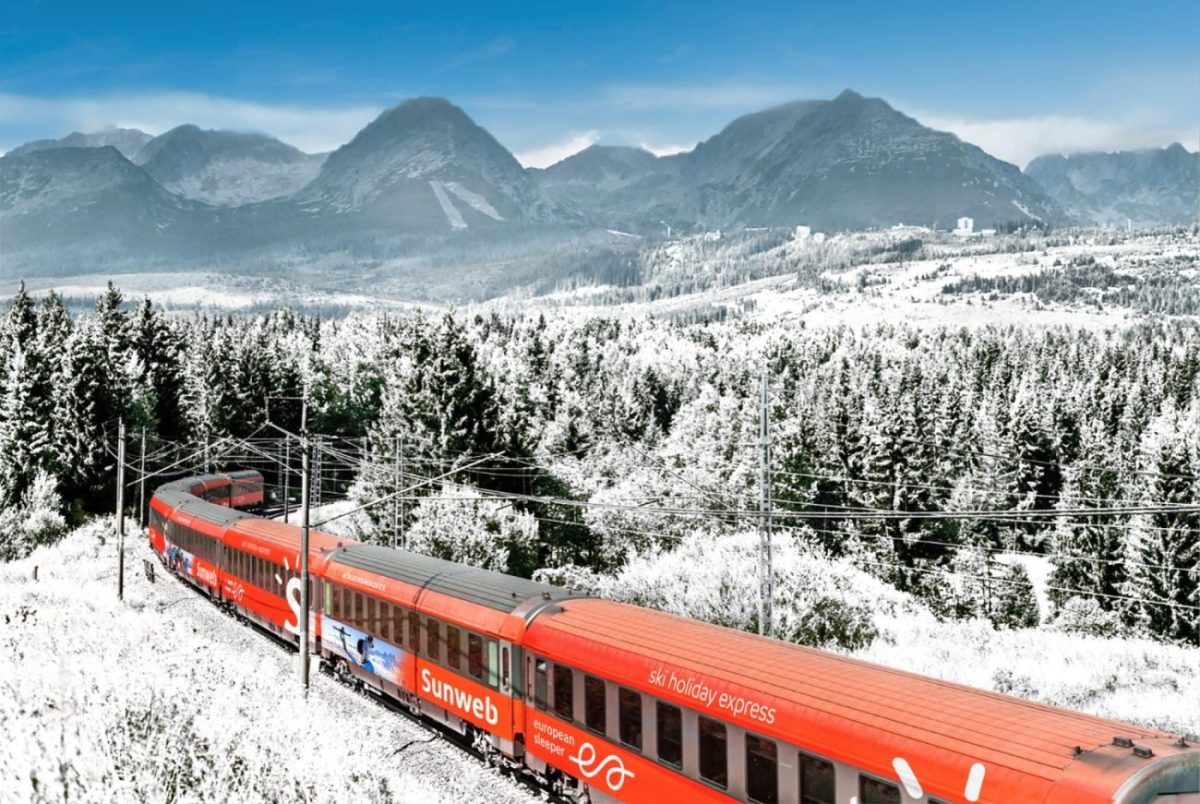
Brussels played host to the Global Tourism Forum 2026, and the message from the stage was clear: a postcard-perfect landscape won't save a destination if travelers can't actually get there. Speakers across connectivity and ministerial panels kept circling back to the unglamorous logistics that make or break a trip. Reachable, bookable, and worth visiting beyond the peak months, that's the new mantra for destinations hoping to grow their tourism economy.
Oana Gherghinescu, executive director of the European Union Agency for Railways, put it simply: access should "feel easy" for travelers. Speed alone isn't enough. Safety, reliability, and straightforward booking matter just as much. She called out the "fragmentation" that still plagues cross-border rail travel in Europe, where incompatible signaling systems and disjointed operators create invisible barriers for passengers. Her plea was for rail authorities, operators, and digital platforms to work together and remove obstacles not in a decade, but by the next season. And she warned that high-speed lines shouldn't leave smaller destinations in the dust. Better connections should lift the whole network, not just the big hubs.
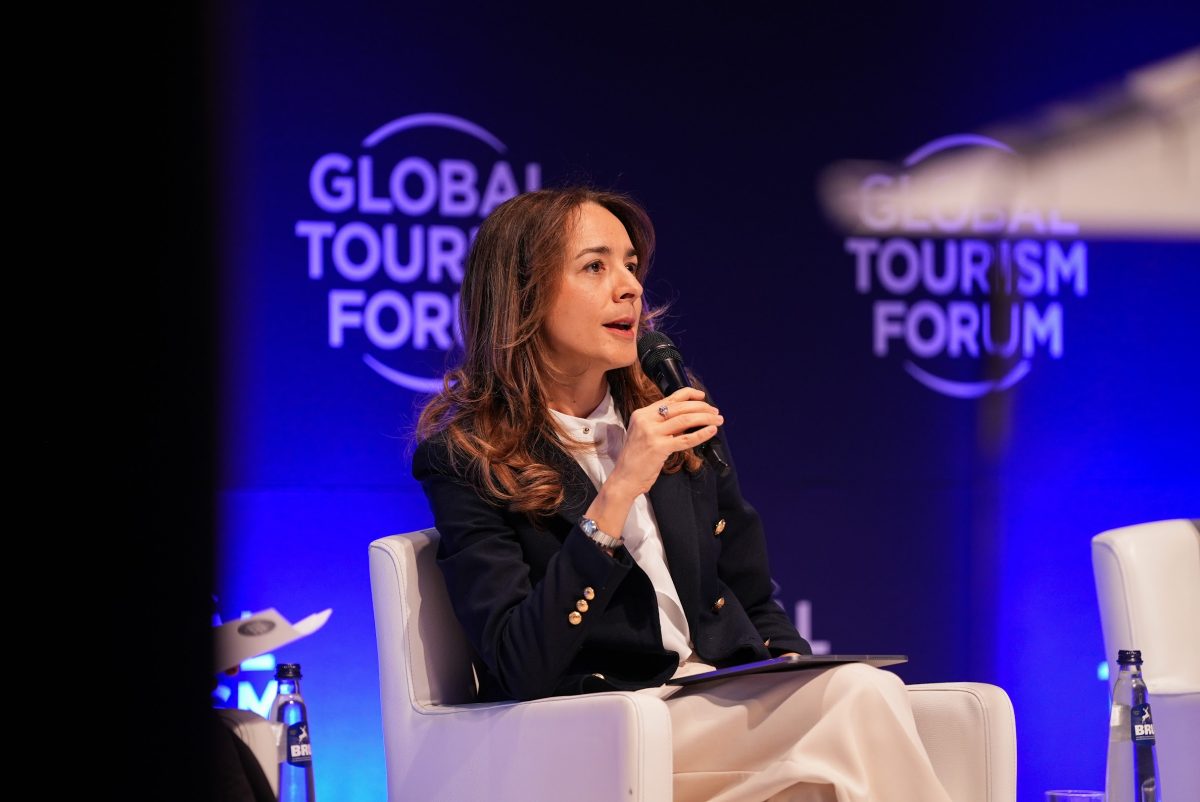
For places that can't wait for infrastructure, creativity is key. Weibin Wang of Hiseas International and Nordis described how coaches and seasonal programs have opened up Kirkenes in northern Norway, a town with a research center, the Northern Lights, and rare King Crab but almost no connectivity. The result? The tourism season stretched from May through August to April through October. Wang argued that visibility and bookability create predictable demand, which in turn attracts better connectivity and investment. But she also stressed that experiences are what keep people longer and bring them back. Getting there is only half the battle.
Air access brought its own set of tensions. Vincent Snauwaert of TUI boiled down the investor's question to a blunt one: "Can we get our guests to you?" He pointed to traffic rights and protectionism as bottlenecks, and urged destinations to approach airlines with properly financed plans backed by tourism ministries and treasuries. His warning was stark: routes aren't guaranteed. Destinations that enjoy connectivity today can lose it tomorrow. He also criticized punitive taxation as a blunt tool for managing tourism's downsides, arguing for a more balanced approach.
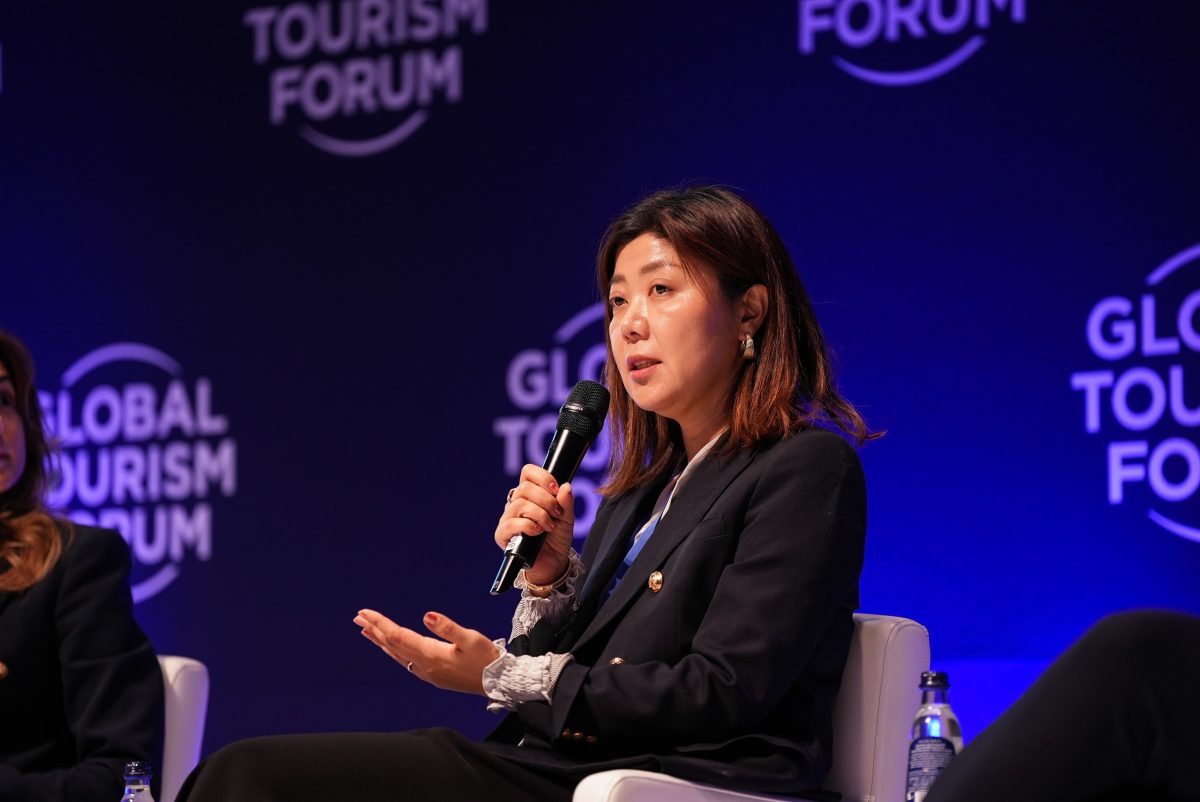
The ministerial dialogues hammered home the need to give travelers both the means and the motivation to visit during shoulder or off seasons. Montenegro's tourism minister, Simonida Korditz, described diversifying beyond the country's famous southern coast by promoting rural hospitality, digital discovery tools, and sustainable energy in the north. The numbers are striking: registered rural hospitality businesses jumped from a few dozen to over 400 in five years. The lesson for emerging destinations isn't just to advertise harder, but to make distinctive products easier to find and easier to operate.
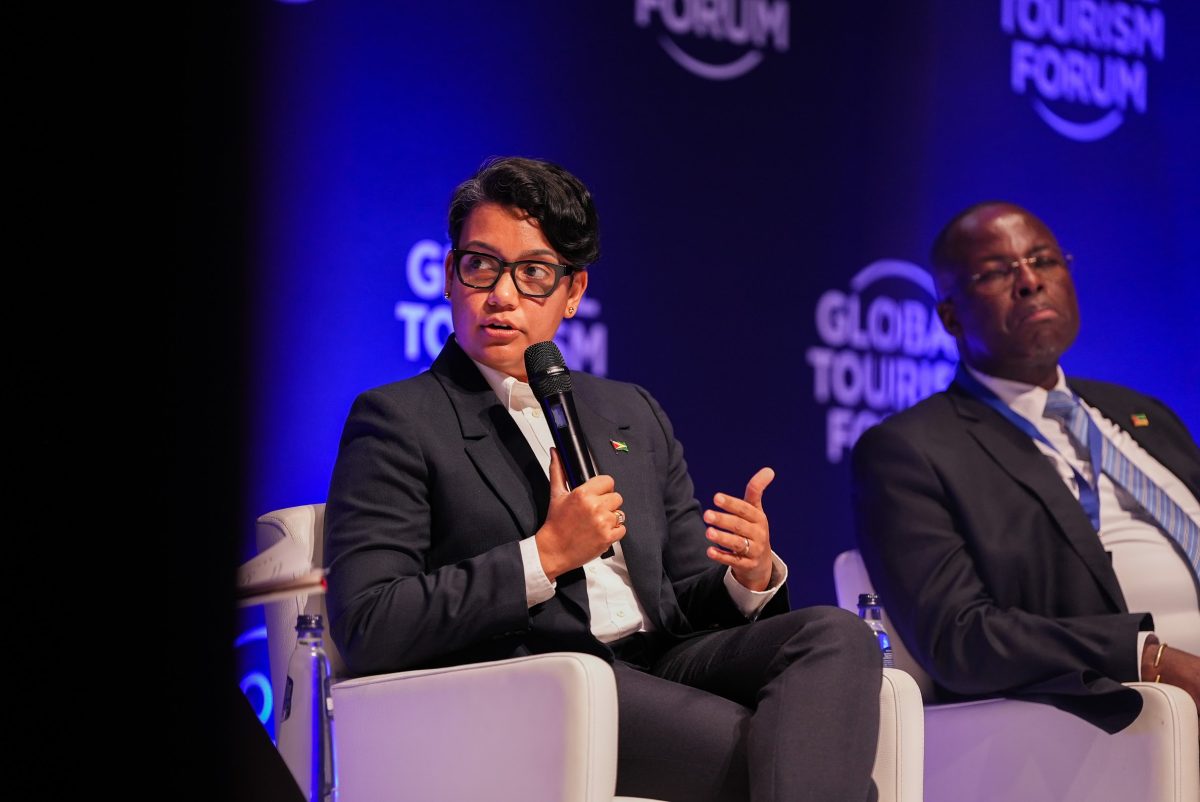
Guyana's tourism minister, Susan Rodrigues, linked her country's recent success to oil revenues reinvested in infrastructure and local livelihoods. Her point was that the right financing priorities can boost community-owned experiences and local prosperity. Mozambique echoed that sentiment, pushing beyond "sun-and-beach" tourism toward conservation, gastronomy, and cultural exchange. Together, these voices challenged the idea that international hotel chains alone constitute destination development. Local enterprises must have a seat at the table.
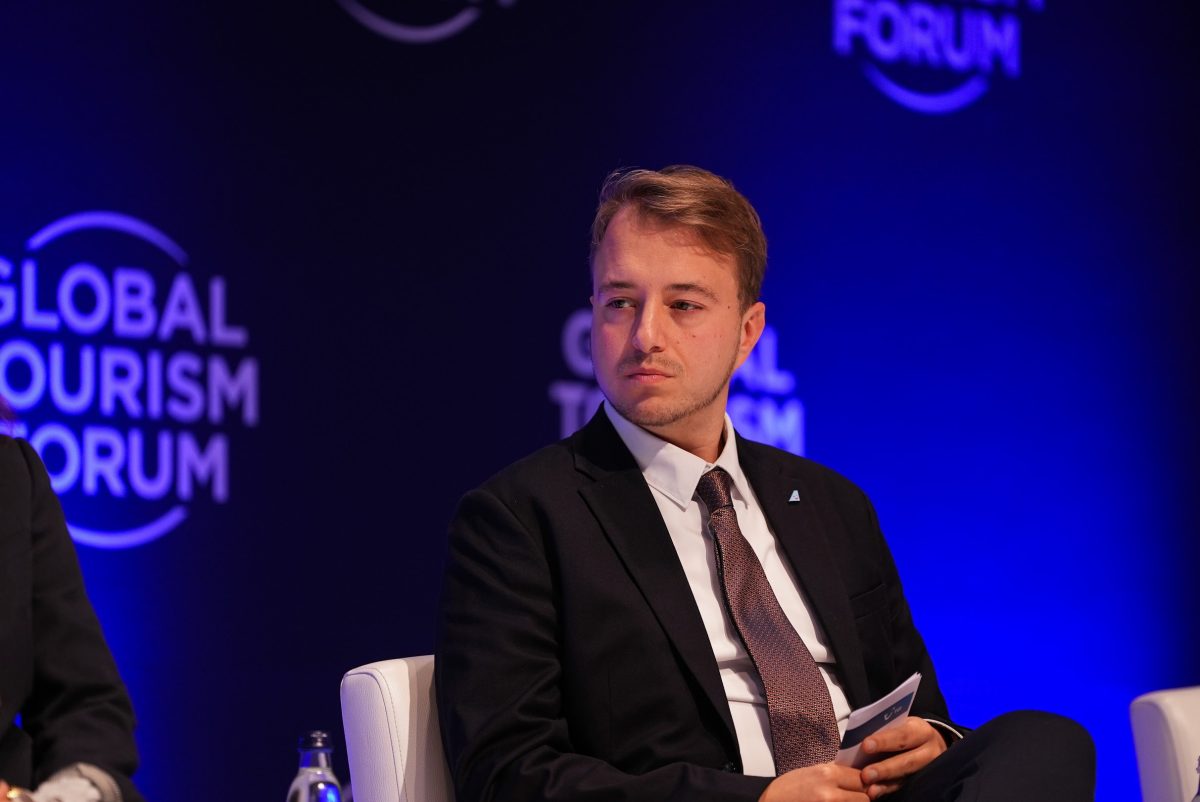
The climate-resilient investment session tied these threads together. Radisson's Inge Huijbrechts called for alignment between buildings, asset owners, and destinations. Georgia's Nathalie Kvachantiradze paired year-round mountain tourism with infrastructure resilience and risk assessment. Extending a season can't be separated from the risk of flooding or unreliable snowfall. A resilient hotel needs a resilient setting.
For industry stakeholders, the takeaway is to invest in the whole traveler journey: transport, distribution, experiences, and destination services. For EU policymakers, better coordination should make trips simpler while supporting smaller businesses and managing visitor flows. Lesser-known destinations need credible, cross-ministry plans that link access to local value and environmental protection. And travelers themselves can vote with their wallets by looking beyond headline attractions, considering what's available outside peak season, and choosing to support local providers. The forum's strongest message was that successful tourism isn't measured by arrivals alone, but by how well a place connects, sustains, and shares its story.
For more on how Brussels is shaping the future of travel, check out the run-up to this summit and why green tourism needs more than eco-hotels.