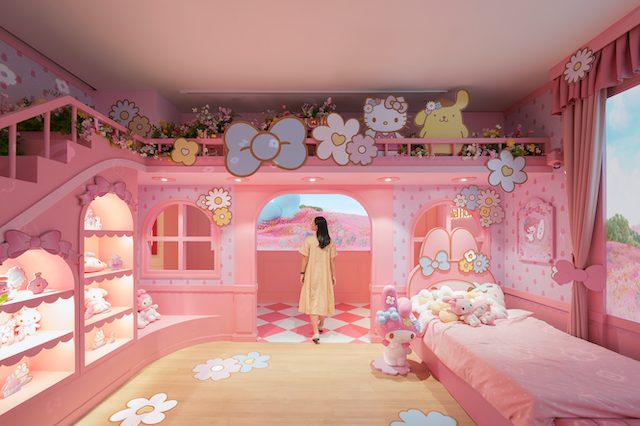
Somewhere between a museum and a theme park, between nostalgia and pure imagination, sits Hotel Floria Tokyo. The concept is delightfully odd: you check in at the front desk, receive a key, explore elaborately themed rooms inspired by beloved Sanrio characters, photograph everything, and then leave without ever sleeping a single night. It sounds like a museum masquerading as a hotel, and honestly, that's exactly what it is.
The hotel occupies space inside the Tokyu Kabukicho Tower in Tokyo's Shinjuku-ku ward and will run through May 2027. The brainchild of Korean digital design firm D'strict, Hotel Floria started in Seoul before landing in Tokyo with a full reimagining. What makes it worth the visit isn't complicated: it's a chance to step inside the private worlds of characters that millions grew up with, from Hello Kitty herself to lesser-known Sanrio favorites like Pompopurin, Cinnamoroll, and Kuromi.
How the Visit Actually Works
Upon arrival, guests check in like any other visitor would. You'll receive a character-themed access pass called a "Luc-Key," and here's the fun part: you don't get to choose your character. Instead, the system assigns one at random, a clever marketing move that keeps people coming back hoping to finally get their favorite. Each person's assigned character becomes their theme for the experience.
The exhibition includes 11 different rooms, each designed to reveal the personality and charm of a particular Sanrio character. Walking through them feels like stepping into an alternate reality where these beloved cartoon figures actually live. You're not just looking at displays behind glass. You're invited to explore, touch, sit in the spaces, and experience them as if you've somehow been transported into their imagined day-to-day lives.
What Sets the Beach Zone Apart
Beyond the character rooms, the venue includes gardens, a pond, an art gallery, dedicated photo zones, and something the organizers are particularly proud of: an indoor beach. According to the team, what makes the beach special isn't just the visual spectacle. As you walk across actual sand, the sights, sounds, and physical sensation beneath your feet blend together into something that feels genuinely immersive. It's a small detail that transforms the experience from "looking at stuff" into "actually being there."
This kind of immersive approach appeals to both crowds that typically visit Tokyo. Adults reconnect with childhood memories and a sense of nostalgia, while kids experience these characters for the first time. That dual appeal has become a model for how Japan packages its beloved cultural exports into travel experiences beyond simple merchandise.
The Bigger Picture of Character Tourism in Japan
Hotel Floria represents something larger happening in Japan's tourism landscape. Hello Kitty and her Sanrio siblings have inspired themed cafes, airport installations, special exhibitions, and even inspired a dedicated bullet train that recently made its final run. The country has become remarkably adept at turning cartoon characters into full-fledged tourist attractions that feel genuinely worth visiting.
This phenomenon isn't entirely surprising when you consider Japan's deep cultural connection to cats. For centuries, cats have been symbols of good fortune and protection. The maneki-neko (the beckoning cat figurine) appears at shop entrances across the country. More recently, Japanese communities have been installing quirky yellow road signs warning drivers about cats darting into traffic, a movement that's become a social media sensation. When you understand that cats hold this special place in Japanese culture, Hello Kitty's dominance as a global phenomenon starts to make a lot more sense.
If you're planning a trip to Tokyo, Hotel Floria fits nicely into an itinerary focused on Tokyo's creative attractions and pop culture scene. Keep in mind that travel costs in Japan have been rising, so factor entrance fees into your budget. The experience typically takes a couple of hours, making it a solid half-day activity that pairs well with exploring the Shinjuku neighborhood itself.
The real appeal here is simple: it's a chance to step inside a world that exists only in imagination, where characters you may have loved for decades actually have homes, routines, and personalities worth discovering. You won't sleep at Hotel Floria, but you might find yourself lost in it for far longer than you expected.