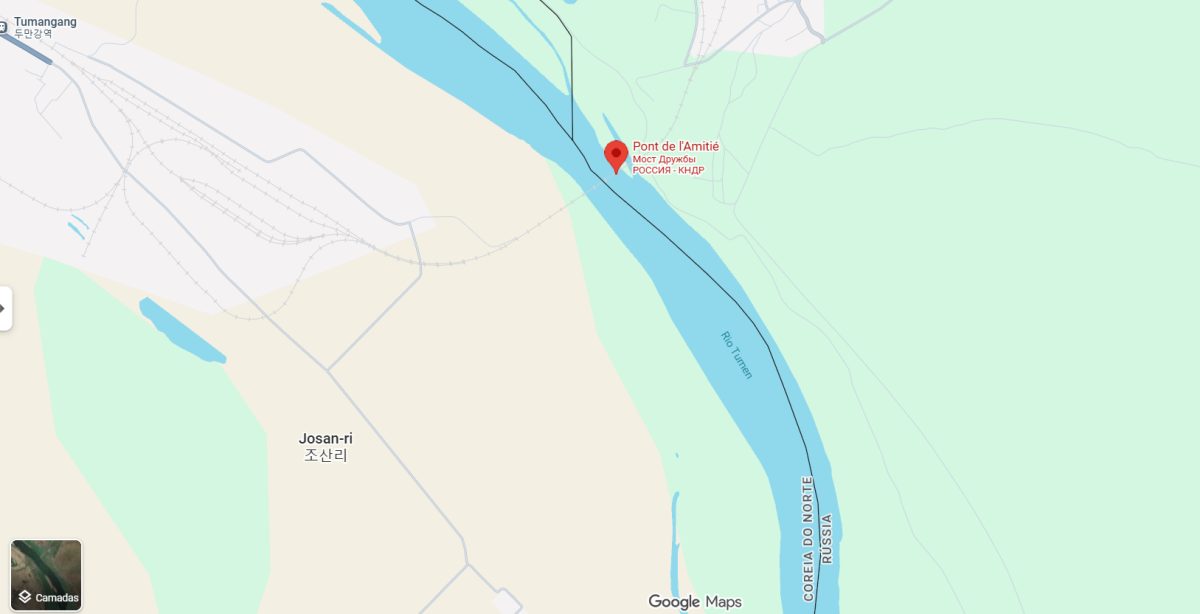
In September 2026, something rare happened at the Russia-North Korea border. Officials gathered to cut a ribbon on a brand new road bridge, the first of its kind connecting the two nations. The span crosses the Tumen River in just over a kilometer, linking the remote Russian town of Khasan with Tumangang in North Korea's Rason Special Economic Zone. For context, Russia and North Korea had only one way to move vehicles across their shared border before this: the Russia-Korea Friendship Bridge, a train-only crossing that has carried whatever traffic these two countries deemed necessary for decades.
The new bridge bears the name of Yakov Novichenko, a Soviet officer who reportedly threw himself on a hand grenade to save North Korea's founding leader, Kim Il-sung, during the Korean War. It is a gesture of historical solidarity, though the structure itself points toward something more contemporary. Russian Prime Minister Mikhail Mishustin declared at the opening ceremony that the bridge would "provide a powerful impetus for the further development of trade, economic, scientific, technological and cultural cooperation." North Korea's Premier Pak Thae Song, speaking via video link, called it "a significant event adding a new dynamic movement to the overall bilateral cooperation."
What's driving this sudden infrastructure investment? Officials cite tourism and commerce. Russian travelers have begun discovering North Korea's beach resorts and ski slopes, a trend that picked up as Russia found itself increasingly cut off from Western leisure destinations. Planners expect roughly 300 vehicles per day to use the bridge, many carrying tourists curious about a country few Westerners ever visit. The location matters too. Khasan sits close to China's Fangchuan National Scenic Area, where tour buses already funnel visitors to observe the tripoint region from a panoramic tower, so adding North Korea to the itinerary feels natural to regional tourism operators.
Yet the bridge tells a more complicated story than brochures suggest. Intelligence sources and human rights monitors warn that what crosses in civilian disguise may not stay civilian. North Korea has deployed thousands of troops to support Russia's war in Ukraine, and in return, Russia is believed to have shipped military equipment and advanced technology northward. A new bridge makes such exchanges more efficient. The speed of construction itself raised eyebrows: the entire project took just one year, an unusually rapid timeline that sparked speculation about priorities beyond tourist comfort.
Skeptics also point out that this single new road represents a tiny fraction of the region's actual trade patterns. North Korea conducts roughly 98 percent of its foreign commerce with China, which maintains at least 17 road and rail crossings along their 1,400-kilometer border. By comparison, Russia now has two. The symbolic weight of the bridge may exceed its practical impact on regional commerce, at least for now.
For travelers, the bridge opens a practical route into one of the world's least accessible countries. Getting to North Korea has never been straightforward, and most visitors still arrange trips through specialized tour operators rather than showing up independently. A new border crossing with Russia doesn't change that fundamental reality, but it does suggest that certain travel routes between Moscow and Pyongyang may become smoother over time. Those hoping to explore this remote corner of Northeast Asia would do well to monitor how the bridge actually functions in practice, since official opening ceremonies and real-world logistics often diverge considerably.
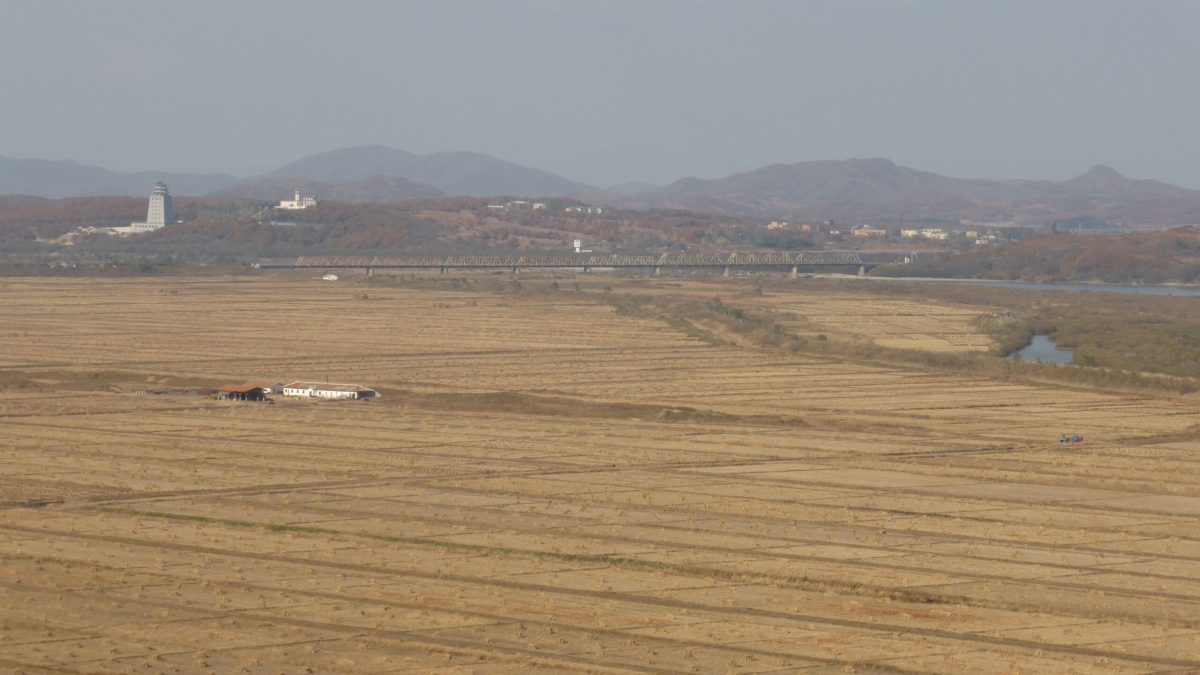
The region itself deserves attention from serious travelers. Khasan is tiny and remote, a place where few outsiders venture. Tumangang sits in the Rason Special Economic Zone, North Korea's most open window to the outside world. And just across the river from both lies China's tri-border region, where the Tumen River forms boundaries between three nations. It is a landscape that reflects decades of geopolitical complexity, where a single new bridge becomes a symbol of shifting alliances and changing travel possibilities. Whether you view it as a boost to tourism or a worrying sign of military alignment, the Yakov Novichenko Bridge represents a tangible change in how this isolated border functions. For adventurous travelers seeking to understand contemporary geopolitics through geography, it is worth watching closely.