Jet lag is the great equalizer. It hits business travelers in premium cabins and backpackers in hostel bunks alike. But it turns out humans aren't the only ones stumbling through time zones. A new study published in Science shows that Manx shearwaters, seabirds that nest on the UK's west coast, also suffer from jet lag when they fly long distances east or west.
These birds are marathon fliers. During foraging trips over the Atlantic, they can cover up to 1,000 kilometers in a single outing. When they finally turn for home, they rely on an internal compass that tracks the sun's position. The problem is that their internal clock, the same kind that tells us when to sleep and when to wake, doesn't instantly reset to local time. Cross enough longitude lines and the sun appears in the wrong place, throwing their navigation off.
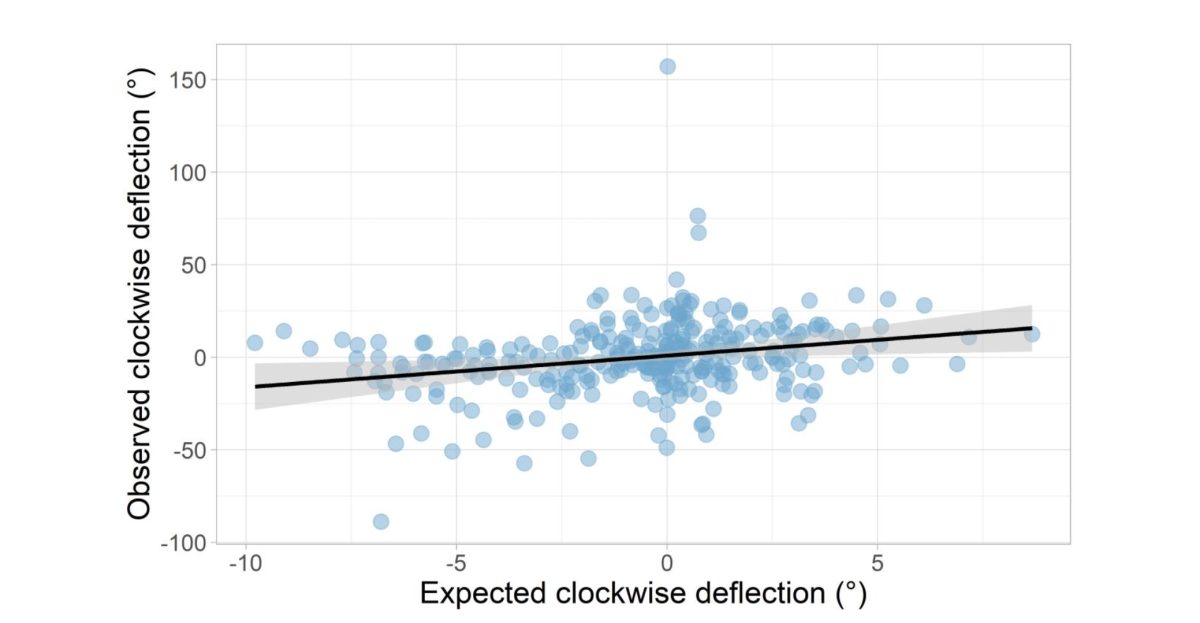
Researchers from the University of Oxford tracked Manx shearwaters for over two decades using GPS tags. They found that adult birds, which have years of experience, usually correct their course quickly. Their routes might be off by up to 15 degrees, but they straighten out fast, adding just a few extra kilometers to a long journey. First-time migrants, however, can be thrown off by hundreds of kilometers because they haven't yet built a mental map of where home is.
The study's lead author, ecologist Patrick Lewin, told Reuters that the mechanism is identical to what causes jet lag in humans. "Animals use an internal clock to do this, the same one that tells our bodies when to sleep, when to be active," he said. "The process behind what we're observing here, the mismatch between the internal clock and external time caused by longitudinal movements, is exactly the same as what causes jet lag in humans."
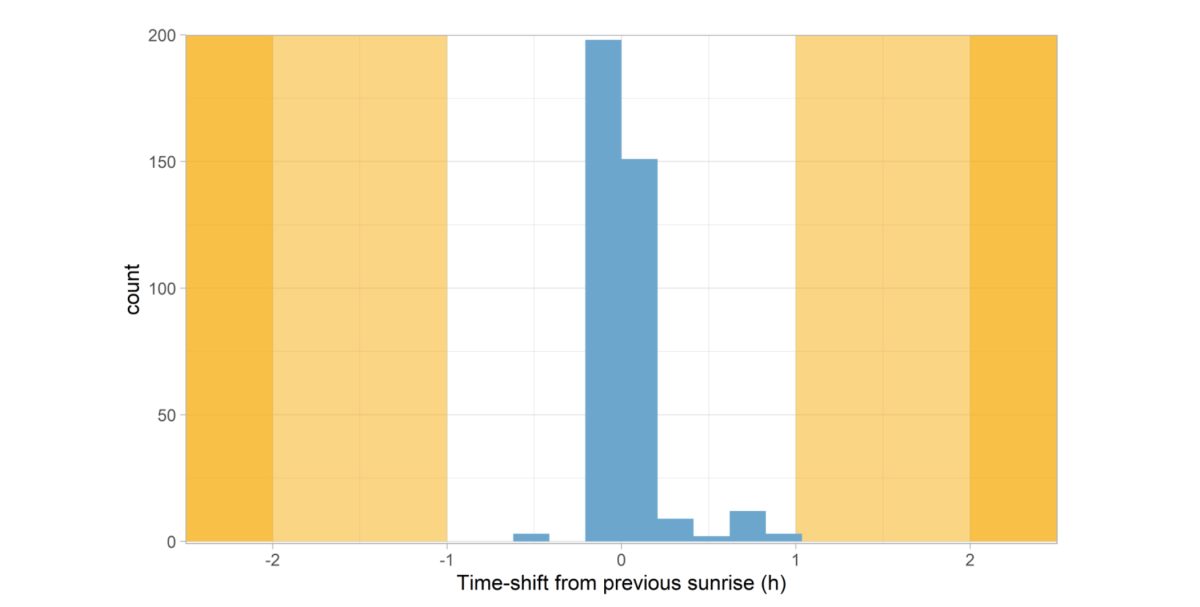
This is the first time scientists have documented jet lag in wild birds under natural conditions. Previous studies focused on captive animals or short-distance movements. The findings offer a rare window into how time zone shifts affect living creatures outside a lab, and they might help researchers understand the long-term health impacts of frequent flying on people.
For travelers, the study is a reminder that our bodies are not designed to leap across time zones. The same biological machinery that guides a seabird home is at work in our own brains, and it gets just as confused. If you're planning a trip that crosses several time zones, consider strategies to ease the transition. Travel decisions often hinge on timing, and so does your body's ability to cope.
While the birds' jet lag doesn't seem to cause major problems, the researchers aren't ruling out effects on their feeding habits, breeding schedules, or overall health. Understanding how these birds cope with time shifts could one day help us design better treatments for human jet lag, especially for frequent flyers and airline crews who cross time zones weekly.
Until then, the next time you're staring at the ceiling at 3 a.m. in a foreign hotel, take comfort in knowing you're not alone. Somewhere over the Atlantic, a shearwater is probably feeling the same way.