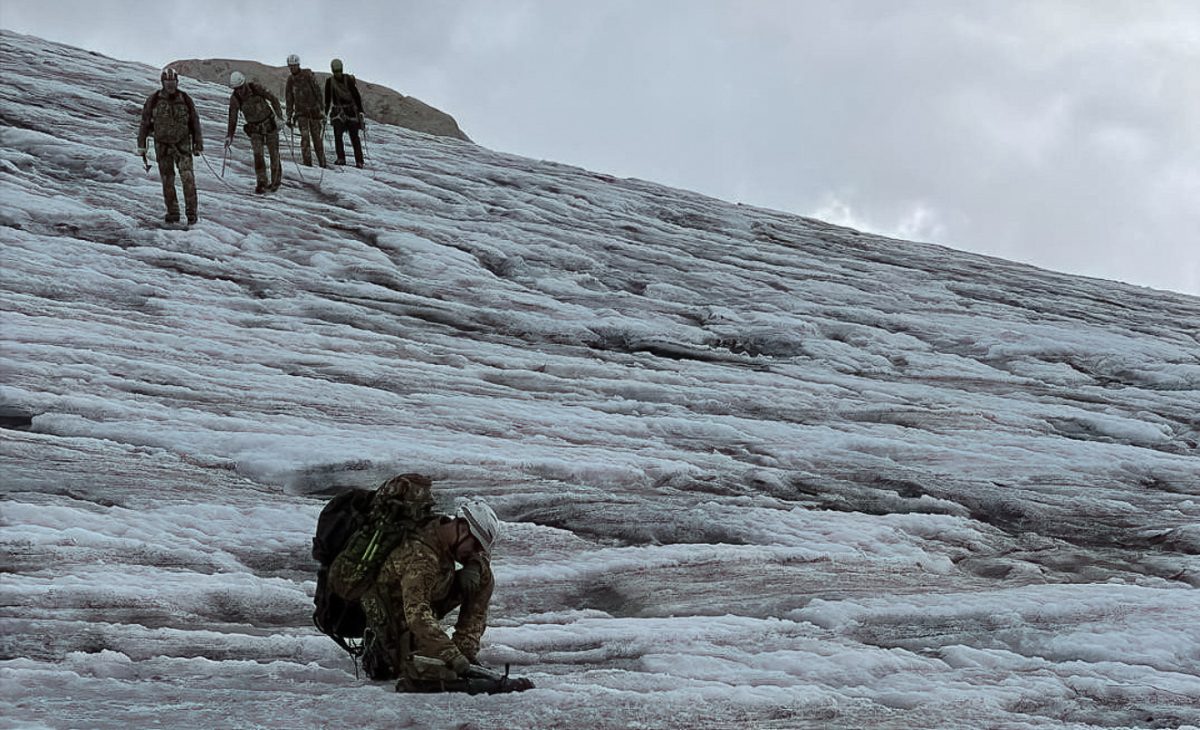
The Dolomites are famous for their jagged peaks and alpine meadows, but the range is also a vast archive of a brutal chapter in history. As glaciers retreat at an alarming rate, they are exposing not just bare rock, but the remnants of a war fought on ice and snow more than a century ago.
This past September, the Italian army reported the recovery of over 250 explosive devices from the Great War, found near Canal San Bovo in the Primiero Valley. The finds include 18 Italian 75mm artillery shells and 37 Thevetot mortar shells, along with other munitions. The Julia Alpine brigade was called in to neutralize the ordnance, a task they described as eliminating hidden dangers and making the trails safer for the mountaineers, hikers, and tourists who flock to the region every summer.
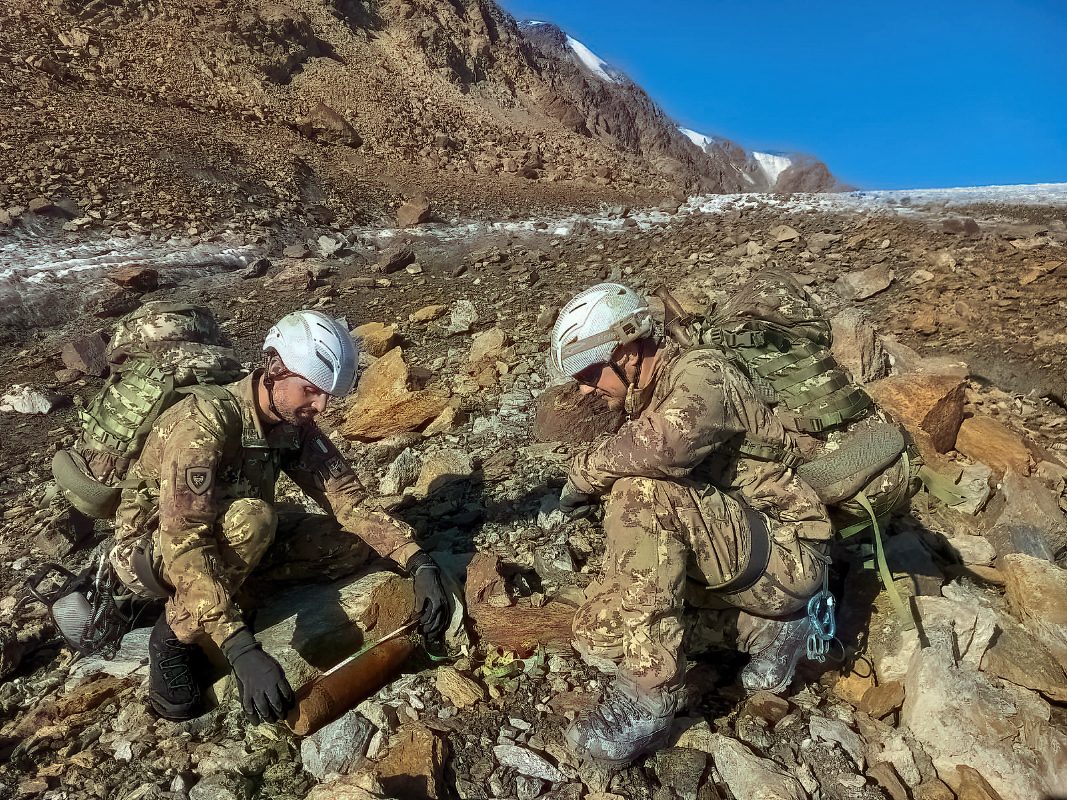
These relics date back to the so-called White War, fought between Italian and Austro-Hungarian troops from 1915 to 1918. Soldiers endured freezing temperatures, avalanches, and the constant threat of slipping into crevasses, all while trying to move heavy artillery across treacherous terrain. Equipment was lost, abandoned, or simply swallowed by the ice. Now, a century later, the thaw is giving it back.
This is not a new phenomenon. Since the 1990s, melting glaciers have been yielding everything from clothes, coins, diaries, and letters to preserved food and straw beds. In 2015, a cave barracks on Mount Scorluzzo was uncovered, complete with the personal effects of soldiers who once lived there. But as the planet warms and summers grow hotter, the discoveries are becoming more frequent, and they are increasingly being made by hikers exploring the stunning landscape.
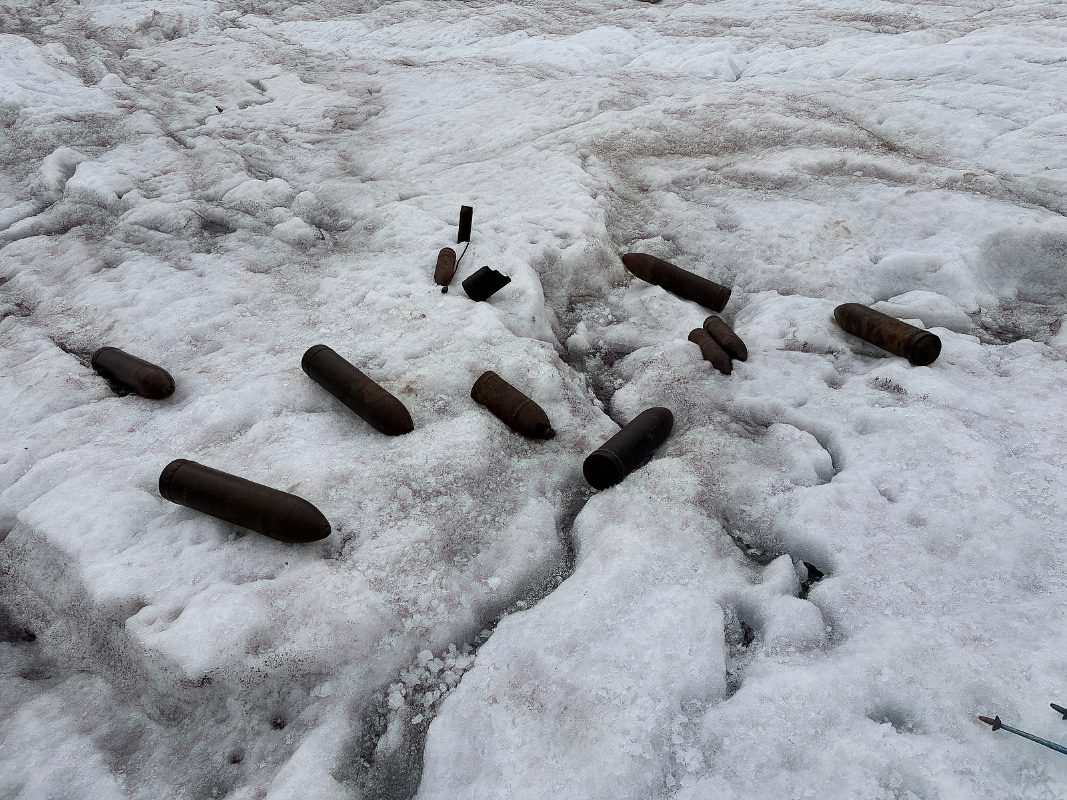
For travelers, the takeaway is simple: if you see something that looks like old metal or unexploded ordnance, do not touch it. The authorities urge visitors to take a photo if it is safe, mark the location, and report it to the police or military. Attempting to move or disturb these objects can be deadly.
The Italian army's work is part of a broader effort to keep the mountains safe. But the melting ice is also a stark reminder of how climate change is reshaping the Alps. Similar stories are playing out across the region, from the disappearing glaciers of Slovenia to the thinning ice at Everest's base camp. The mountains are changing, and with them, the risks and the stories they hold.
For those planning a trip to the Dolomites, the summer trails offer some of the most spectacular hiking in Europe. But as you walk those paths, remember that you are treading on history. The White War may be over, but its echoes are still emerging from the ice. And while the finds are fascinating, they are also a warning: the past is not as buried as we thought.