In just months, North America will host one of the planet's largest sporting spectacles. The ripple effects are already visible in real-time data: flight bookings spike, hotels fill faster, and corporate teams scramble to lock in accommodations for what they're calling a can't-miss event. The 2026 FIFA World Cup, split across Canada, the United States, and Mexico, is reshaping how people think about travel across the entire region.
Canada stands to gain the most from the tournament influx. The World Travel and Tourism Council predicts the country's tourism GDP will jump 6.4 percent, outpacing both Mexico and the US. Toronto is the clear heavyweight here, with combined hotel and flight spending tied to the World Cup climbing steeply compared to last year. Here's the kicker: flight prices to Canada have actually dropped, making the country an increasingly attractive option for both leisure travelers and corporate groups trying to stretch budgets while still making a splash.
Business travel is driving much of this surge. Data from Navan, a corporate travel platform, shows hotel and flight bookings to Canadian host cities have nearly tripled year-over-year. Companies aren't just attending the matches; they're using the World Cup as the ultimate networking platform. Client dinners, corporate hospitality events, and relationship-building meetings tied to the tournament are creating a new category of business travel demand. Travel planners report that bookings are arriving earlier than usual, reflecting the intense competition for seats and rooms during peak tournament dates.
Mexico is already winning, but the World Cup could make it bigger
Mexico enters the tournament from a position of strength. The country recorded North America's strongest tourism performance in 2025, with international arrivals climbing more than 6 percent and visitor spending rising across the board. Unlike some destinations that rely on major events to reverse tourism slowdowns, Mexico's tourism sector is already expanding rapidly. The World Cup is likely to accelerate what's already a winning streak rather than spark a turnaround.
The United States faces a more complicated picture. Despite hosting the most matches of the three nations, America welcomed roughly four million fewer international visitors in 2025 than the previous year. Weaker demand from abroad and traveler concerns about entry procedures have contributed to softer numbers. Still, World Cup-specific bookings to US host cities remain robust. Hotel prices in major gateways like New York, Los Angeles, and Chicago have climbed about 30 percent, and the San Francisco Bay Area and New York-New Jersey region are particularly popular with international corporate travelers.
Potential headaches at American airports
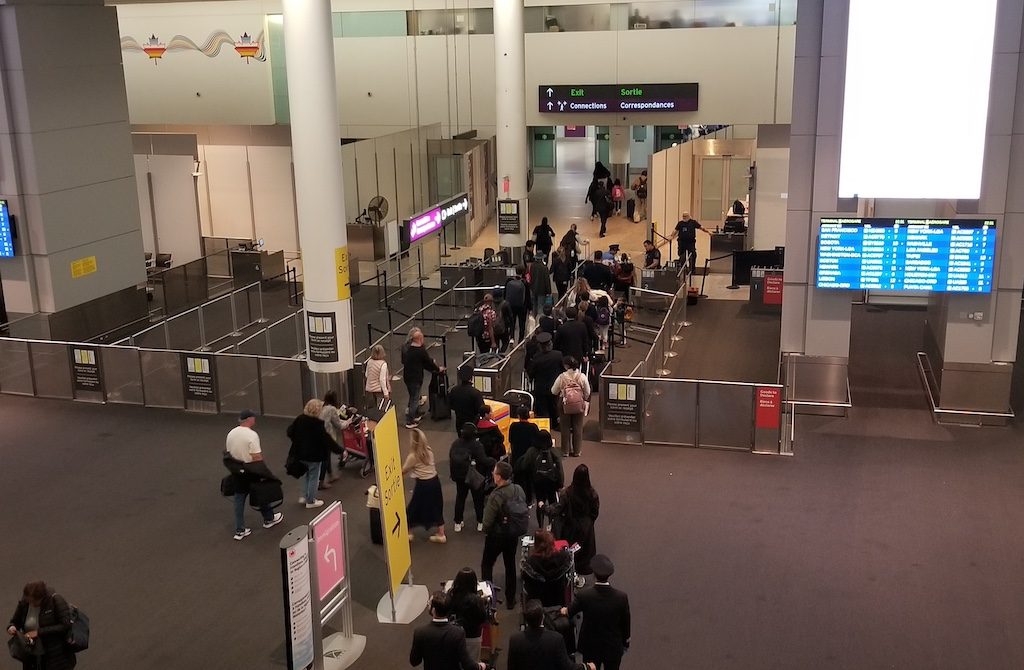
One shadow hanging over the US tournament experience involves border operations. Recent proposals about customs processing at key airports have triggered concern within the travel industry about whether major hubs can handle the expected crush of international visitors. Border and immigration procedures remain a significant consideration for travelers planning US visits. Since many international routes depend on a handful of major hubs, even small operational hiccups can ripple across the entire network. Tourism boards have stressed that maintaining smooth airport experiences and reliable border processing will be essential to maximize the tournament's benefits.
Beyond the immediate ticket sales and hotel nights, the World Cup represents something larger for North America. The travel and tourism sector is expected to support nearly 31 million jobs across all three countries in 2026. The boost extends well beyond airlines and hotels: restaurants, attractions, local retailers, and event venues stand to benefit from sustained visitor spending. Governments and private companies are investing in new tourism infrastructure, expanded aviation capacity, and digital tools designed to smooth the traveler experience. These upgrades often outlast the tournaments that inspired them, strengthening the region's appeal for years afterward.
Industry leaders see the World Cup as a launchpad for deeper regional connectivity. Better transportation links between the three nations, improved airport capacity, and increased international visibility could reshape North America's position in global travel markets long term. While Canada is best positioned to capitalize on tournament-driven demand right now, all three host countries are positioned to gain. When the final whistle blows, the real impact may not be measured in goals scored but in how the World Cup rewires North America's tourism infrastructure and global reputation.