The northern summer is winding down, and the season of Halloween breaks, Thanksgiving feasts, and Christmas markets is gearing up. It's the perfect moment to look back at the travel stories that defined the year. And once again, the internet has been both the stage and the instigator for some of the worst tourist behavior we've seen.
Think of the tourists who refused to put their phones down and capsized a gondola in Venice. Or the ones who stripped off at sacred sites, spray-painted ancient stones, and climbed on statues for a photo op. A video from Kuala Lumpur showed travelers blocking a busy road to snap shots of the Petronas Towers, forcing cars to swerve around them. The outrage online was swift, but the behavior didn't stop.
Why does this keep happening? Lauren A. Siegel, a tourism lecturer at the University of Greenwich, has studied how social media shapes travel behavior. Her research suggests that when we see people from our own social circles behaving badly in a new place, we subconsciously assume those same rules apply there. "If their peers from home are throwing caution to the wind while on vacation, this can cause a domino effect of bad behavior," she told CNN Travel. In other words, social media normalizes disrespectful travel habits.
The problem isn't just about copying bad examples. Online culture also makes the world feel smaller and more familiar, pushing travelers to seek out ever more remote corners. Quiet villages that once offered a break from the crowds now find themselves overrun. Japan's sacred water basins, known as chozuya, have become a flashpoint. One viral post from a local resident showed tourists gargling, spitting, and even washing their heads in the holy water. The post warned that if this continues, "Japan's precious sacred spaces will eventually be ruined, and visitors may no longer be allowed anywhere near the chozuya."
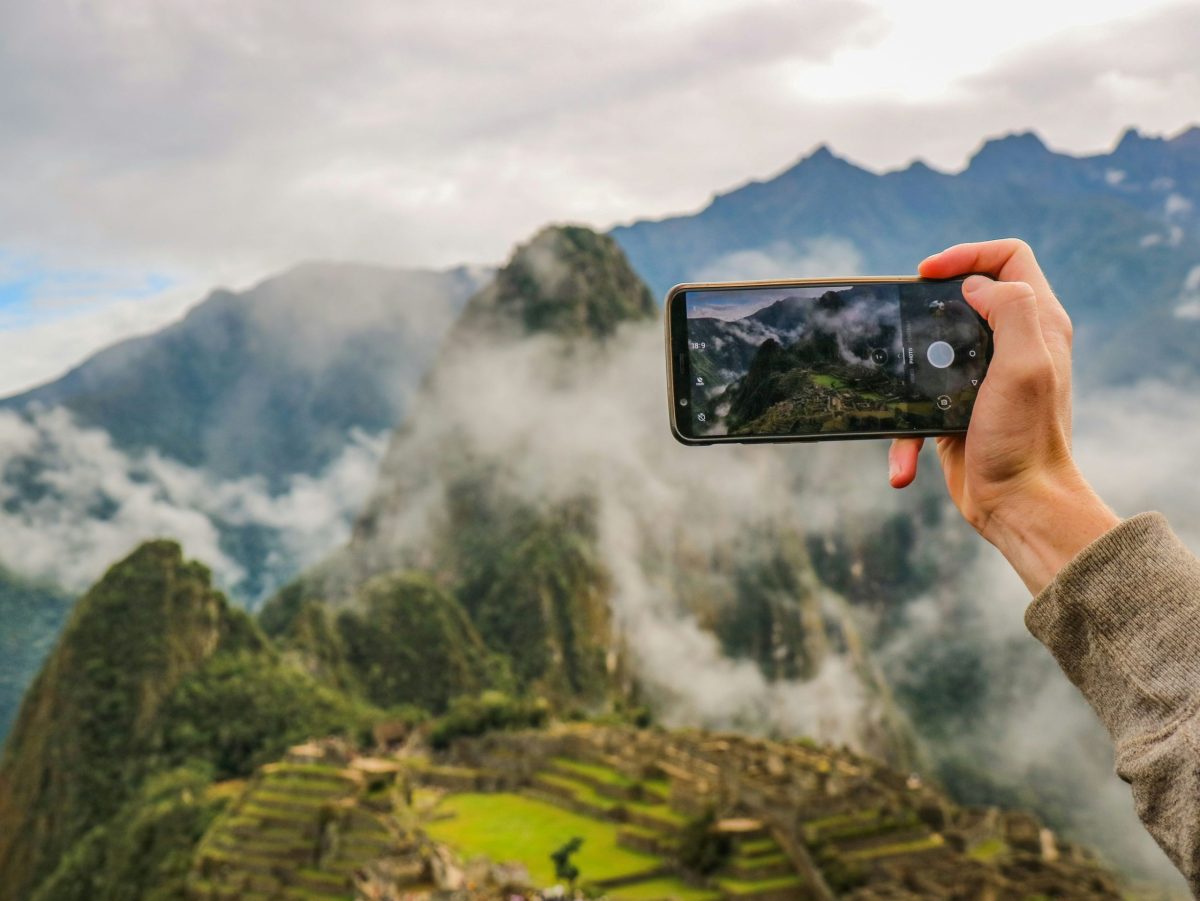
The pressure to document every trip makes it worse. Instagram, in particular, has created a culture where a trip doesn't feel real unless it's posted. "Photo or it didn't happen," as the saying goes. This obsession has led to dangerous queues, jostling, and risky stunts at places like Mount Fuji and the English Cotswolds. Destinations are now fighting back with rules and fines. Amsterdam has told certain types of visitors to stay away. Málaga and Les Sables d'Olonne have introduced codes of conduct. And some places are using carrots instead of sticks. Copenhagen's CopenPay scheme rewards tourists who take part in sustainable activities. Fiji's Loloma Hour encourages guests to give back to conservation projects. Switzerland's Swisstainable offers discounts on eco-friendly stays and transport.
So what can you do to be a better traveler? Start with research. Read up on local customs and etiquette before you go. If you're unsure about something, ask a local, not just the internet. Hotel concierges and tour operators know their home turf better than any algorithm. Respect sacred spaces and dress codes. Cover up where that's the norm, and never climb on monuments or infrastructure. Leave no trace, whether that means taking your litter with you or skipping the graffiti. Use public transport, but avoid rush hours when locals are commuting. Buy authentic, locally made souvenirs instead of mass-produced trinkets. And find ways to contribute to local projects without taking over.
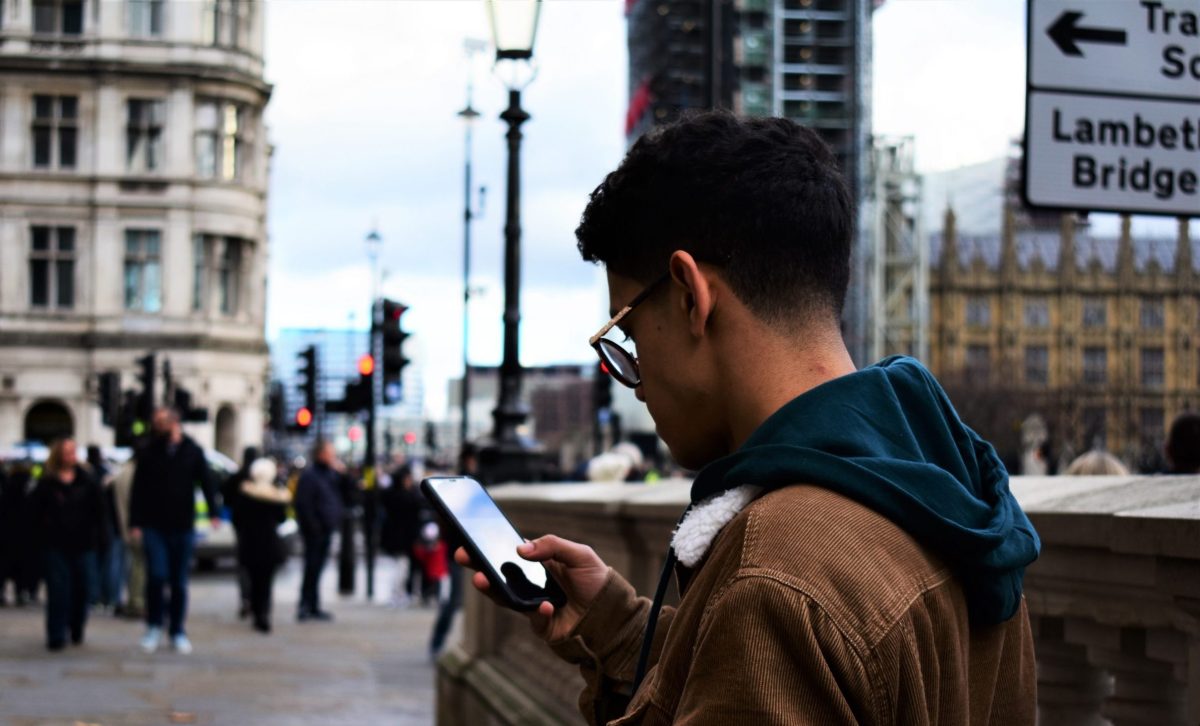
Most importantly, put the phone down. The best travel experiences aren't the ones you capture for likes. They're the ones you actually live. As more destinations adopt smart strategies, like Barcelona's new tourism strategy that says no to more visitors, it's clear that the industry is changing. The question is whether travelers will change with it. The future of travel depends on it. And if you're planning your next trip, consider destinations that are leading the way, like Kazakhstan's tourism makeover, which is about more than just a new airport. Or check out 47 new budget routes for summer 2027 to find your next adventure. The world is full of wonders, but they only stay wonderful if we treat them with respect.