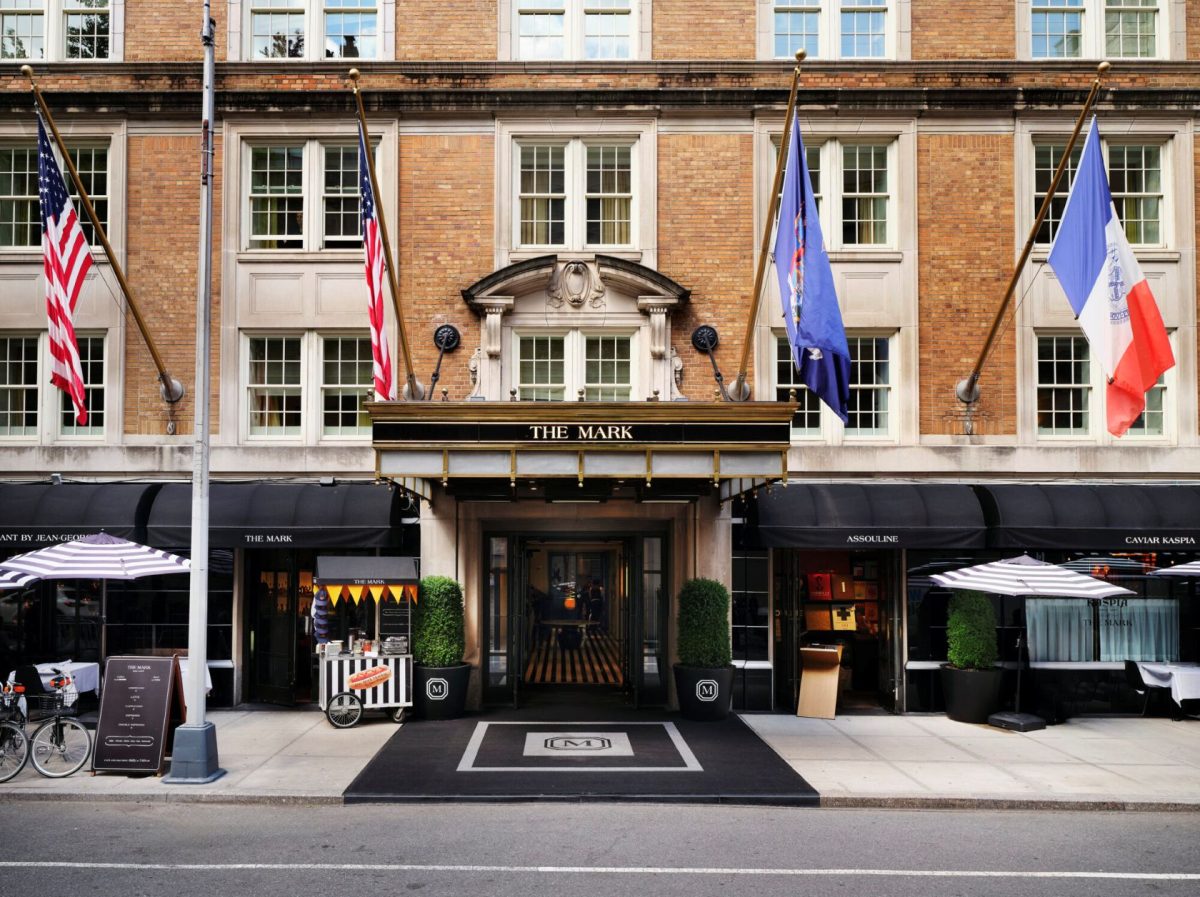
When President Trump recently declared he wouldn't pay four-figure ticket prices for a World Cup match, The Mark Hotel in Manhattan's Upper East Side took it as a personal challenge. The hotel's response? A one-million-dollar tournament experience designed for travelers who consider helicopter rides to the stadium a reasonable convenience.
The Mark World Cup Extravaganza sprawls across July 16-21, 2026, anchored by what the hotel calls the ultimate final-match experience. Guests score premium midfield seating at MetLife Stadium in New Jersey, a private helicopter ride direct to the venue, and a dedicated entry point that erases any possibility of queuing with regular fans. After the match, they're whisked back to their hotel for an exclusive after-party.
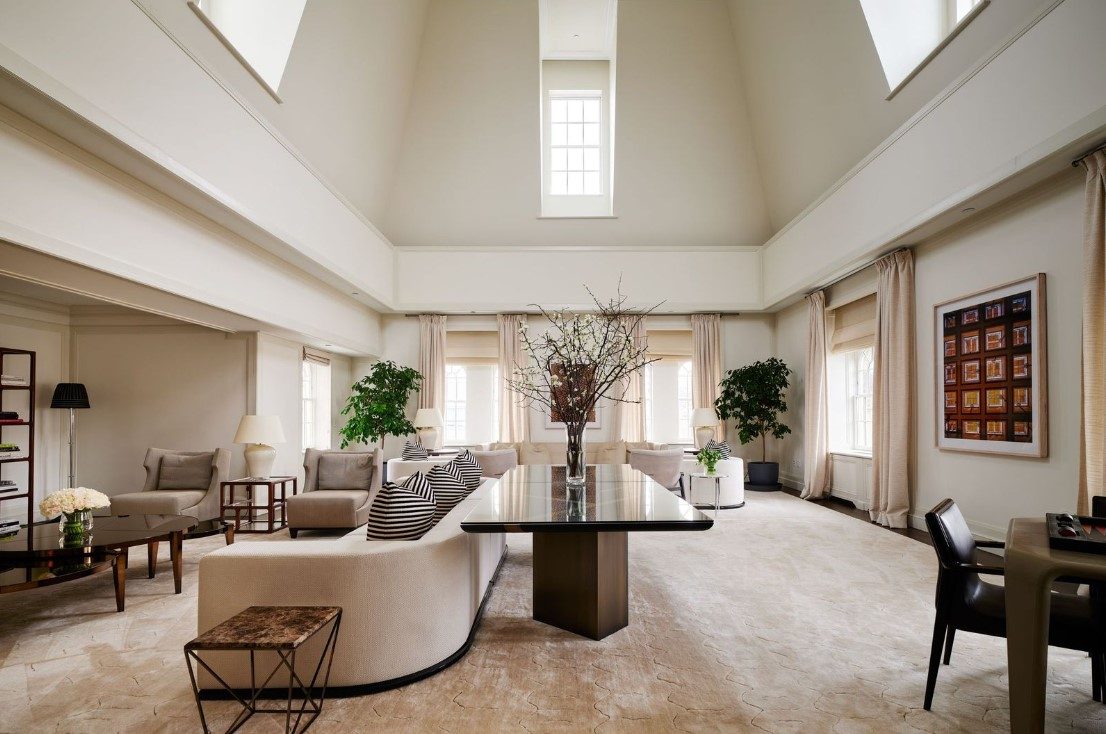
Inside the Penthouse Fortress
The package sleeps six guests in a sprawling penthouse suite for four nights, with two additional rooms reserved for staff or companions. A 24-hour private butler handles every request. The setup feels less like a hotel stay and more like commandeering an entire building.
During the tournament week, guests occupy the hotel's top two floors exclusively. They watch all matches from a luxury lounge equipped with massive screens, perfect for analyzing those infamous refereeing decisions without leaving the premises. A dedicated massage therapist stands by, while a private gymnasium and cold plunge pool with Manhattan skyline views handle stress relief. When evening rolls around, a private terrace overlooks the city, where martinis flow alongside caviar service.
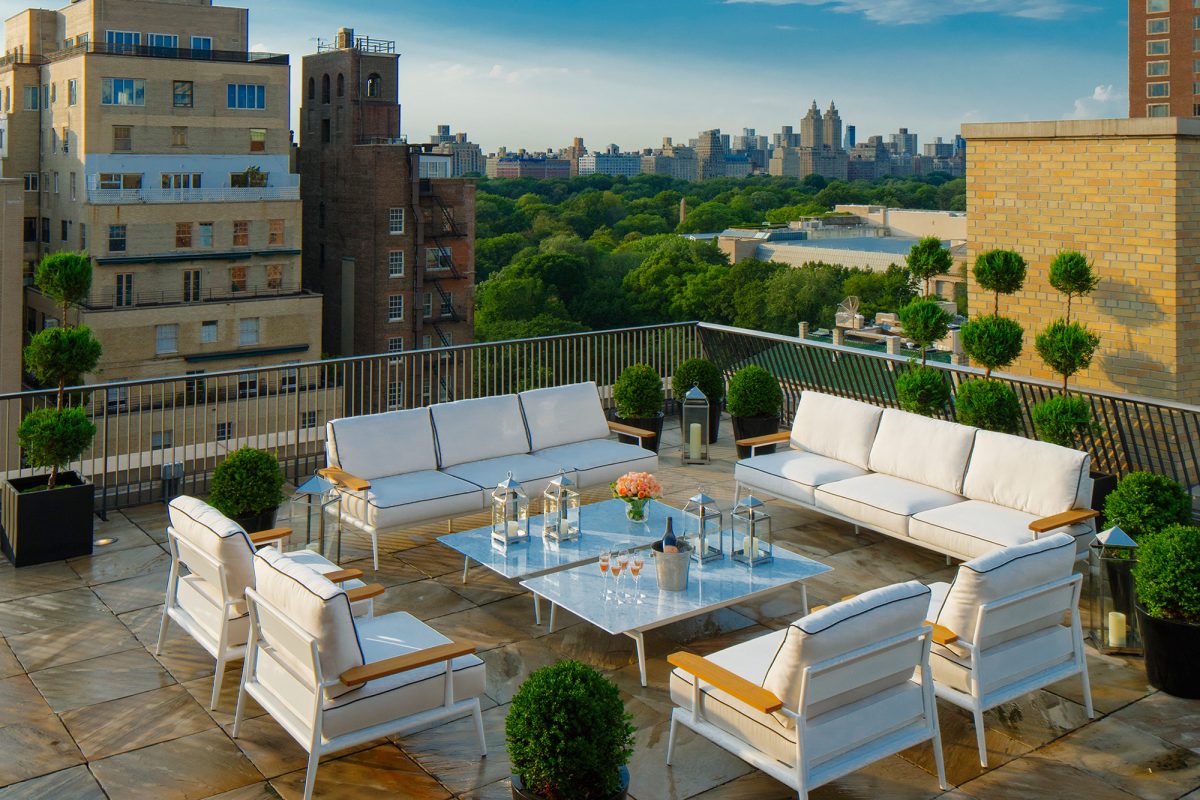
The experience includes a private cruise past the Statue of Liberty and premium hospitality access throughout the entire stay. It's not subtlety packaged luxury. It's luxury that makes a point.
Why Hotels Are Betting Big on World Cup Wealth
The Mark's gamble reflects a broader travel industry reality. America lost four million tourists in 2025, and luxury brands are racing to fill those gaps with ultra-premium experiences. High-spending travelers remain the most resilient segment of the market, and major sporting events draw them reliably.
The US has struggled with World Cup ticket sales and attendance concerns heading into 2026. The Trump administration recently eased several visa requirements to encourage bookings, including removing visa bond payments up to $15,000 for citizens of certain nations. But that goodwill exists in tension with other policies. The Department of Homeland Security has threatened to withdraw customs services from international airports in sanctuary cities, potentially affecting major hubs including Boston, Denver, Chicago, Los Angeles, Newark, New York City, Philadelphia, San Francisco, and Seattle.
Industry groups including Airlines for America, the US Chamber of Commerce, the National Retail Federation, and US Travel have jointly warned that such action could trigger cascading flight disruptions and severe economic damage to tourism infrastructure.
A Glimpse at What Six Figures Actually Buys
The Mark package represents the furthest edge of World Cup tourism. For context, standard final-match tickets start at hundreds of dollars. Regular midfield seating runs significantly higher. Helicopter transfers to New Jersey from Manhattan cost thousands alone. The penthouse suite likely exceeds $10,000 per night in normal circumstances.
What The Mark sells isn't access to the match itself. It's complete insulation from the experience most fans have. No crowds. No traffic. No uncertainty. A private sports viewing experience with a world-class stadium as the backdrop.
Whether travelers will pay seven figures for that remains uncertain. But as luxury hospitality competes fiercely for high-net-worth guests, expect similar all-inclusive tournament packages to proliferate. The Mark essentially wrote the playbook for how premium hotels can capture World Cup tourism in 2026.