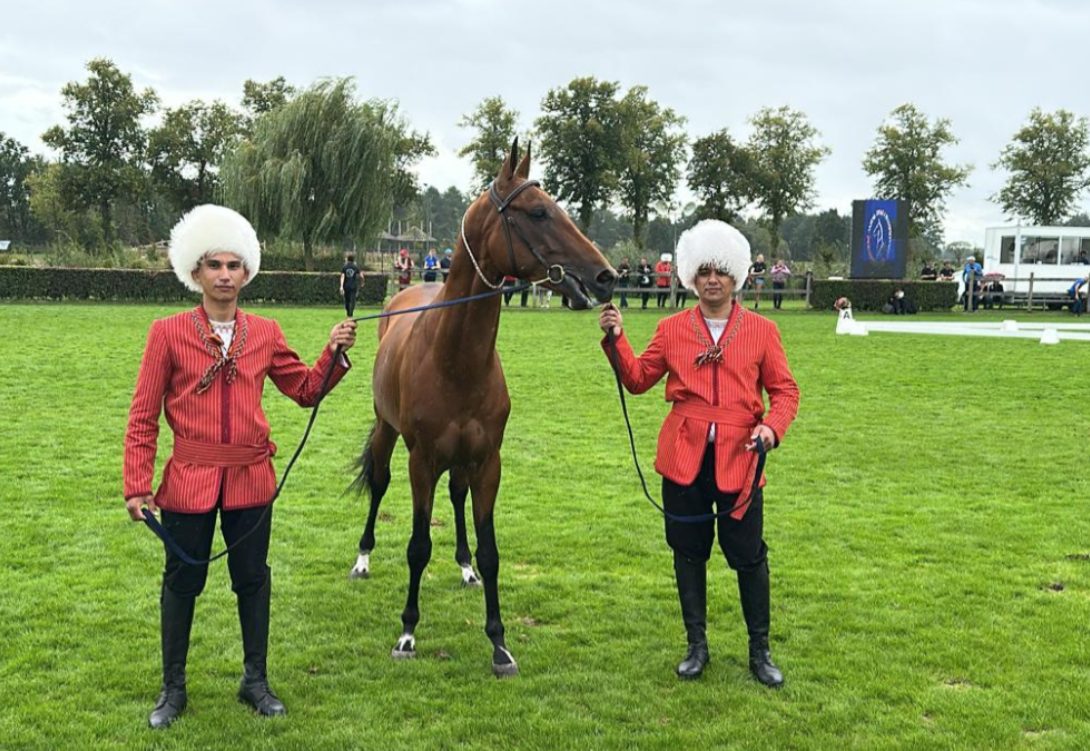
For three days in September, a corner of the Netherlands became an unlikely stage for one of the world's most storied horse breeds. The Peelbergen Equestrian Centre in Kronenberg hosted the Akhal-Teke World Championship, drawing more than 300 guests, from diplomatic figures to breeders, researchers, and curious travelers hungry for something beyond the ordinary.
These aren't just any horses. The Akhal-Teke is Turkmenistan's national treasure, and it carries centuries of history on its back. With a slender frame, distinctive metallic sheen, and almost supernatural endurance, the breed has survived desert journeys, inspired artists, and became so culturally significant that Turkmenistan saw its horse-breeding traditions inscribed on UNESCO's Representative List of Intangible Cultural Heritage in 2023.
Where Academia Met Spectacle
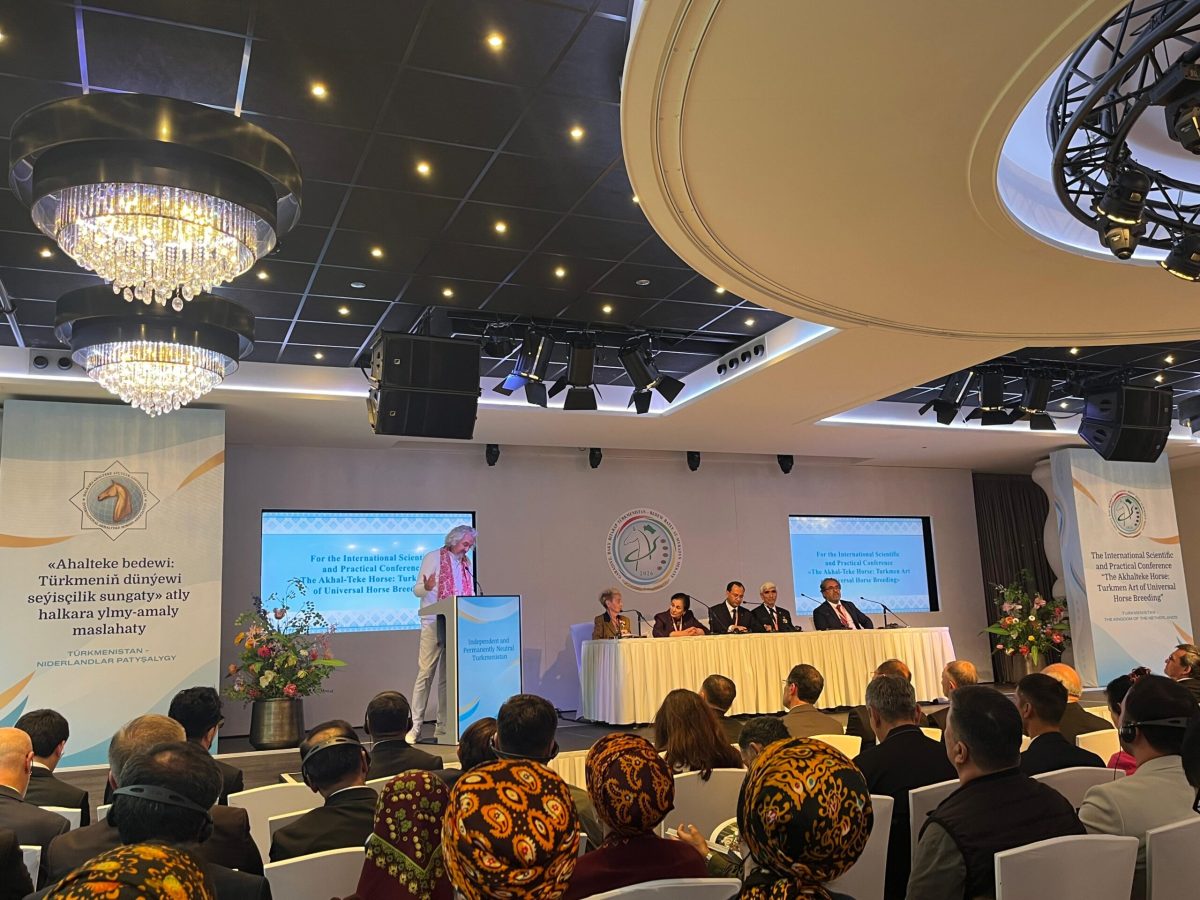
The weekend began not in an arena but in a conference room. Researchers, specialists, and historians gathered at the Asteria Hotel in nearby Venray to discuss the Akhal-Teke from angles you might never expect. They explored how horses shaped trade routes across centuries, how the breed reflects Turkmen craftsmanship and identity, and what science reveals about these animals' genetics and capabilities. It wasn't dry academic work either. The program included the Dutch publication of a book by Gurbanguly Berdimuhamedov, examining the horse as a living symbol of cultural continuity.
By Saturday, the conversation had moved to the grounds themselves. The World Beauty Championship took center stage, with judges assessing Akhal-Teke horses across different age categories to crown an international champion. But the real pull came from the variety. Show jumping competitions demonstrated their athletic prowess. A "Best Decorated Horse" competition revealed the artistic traditions surrounding the breed, where ornate saddles, bridles, and textiles show just how deeply woven horses are into Turkmen cultural expression. Traditional music and equestrian performances gave the whole event the feel of a cultural festival that happened to include world-class horsemanship.
Culture Beyond the Stables
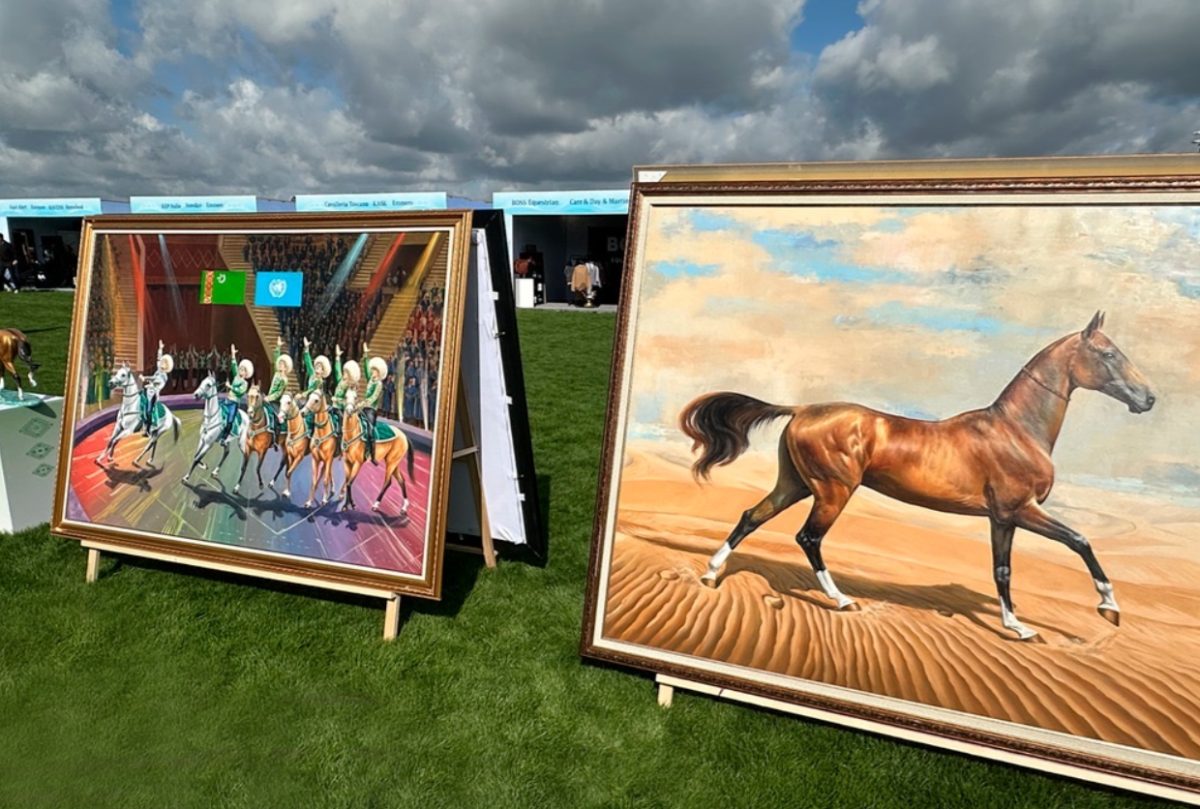
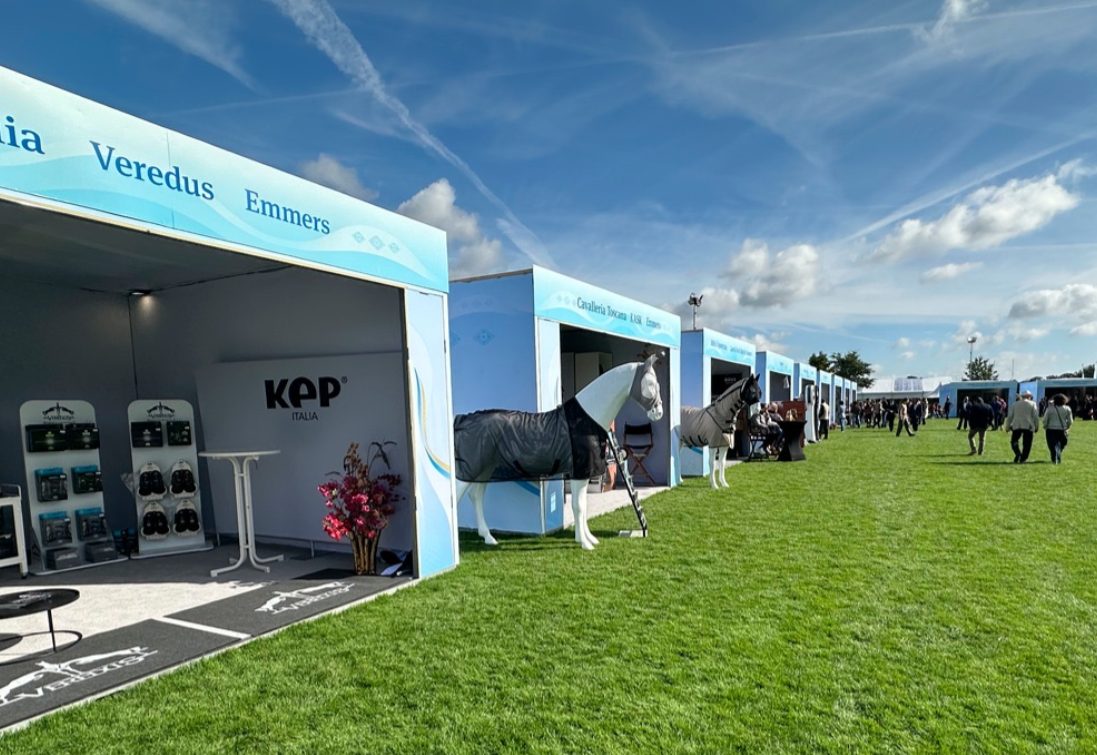
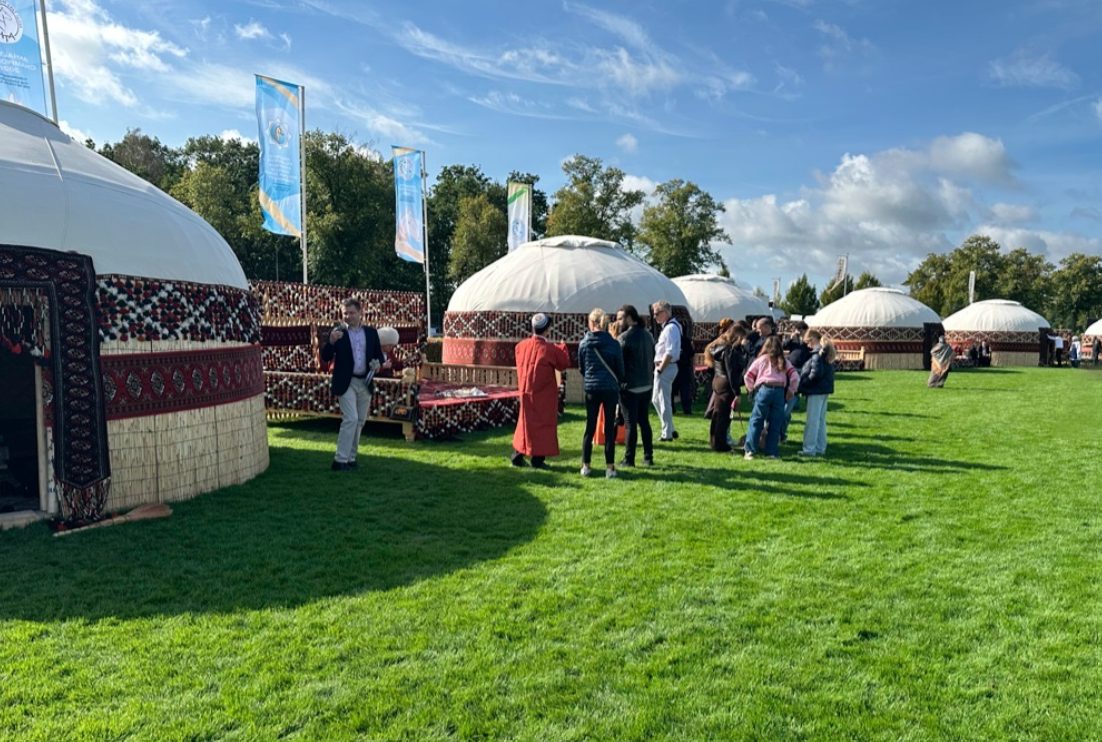
This wasn't confined to the ring. An international exhibition spread across the grounds, and it told a fascinating story about how a single cultural symbol can pull together seemingly unrelated worlds. Traditional Turkmen carpets hung near modern horse-care technologies. Saddle makers displayed centuries-old techniques beside contemporary equestrian equipment companies. International organizations and Turkmen cultural groups presented work showing how heritage and innovation coexist around this breed.
The gathering attracted the kind of crowd rarely seen at equestrian events. Former Dutch Prime Minister Jan Peter Balkenende attended. European civil servants mingled with diplomats and journalists. The world's rarest horses had apparently become a diplomatic draw. Meanwhile, members of the International Association of Akhal-Teke Horse Breeding used the platform to discuss preservation strategies, educational exchanges, and the possibility of hosting major championships every five years.
Looking Forward
By Sunday's close, something clear had emerged. The Akhal-Teke isn't just a breed worth traveling to see. It's a living bridge between continents, between past and present, between specialist communities and curious newcomers. For anyone unfamiliar with the horse, the event offered a crash course in an extraordinary animal. For breeders and scientists, it provided rare international cooperation opportunities. For everyone else, it simply proved that the most memorable travel experiences often happen when you show up for something deeply rooted in another culture.
Gurbanguly Berdimuhamedov also announced plans to modernize Turkmenistan's presidential equestrian complex, incorporating AI and digital management systems. The facility opens September 29, signaling that the country views these horses not as museum pieces but as living ambassadors of heritage.
Three days in a Dutch equestrian center became a masterclass in why cultural tourism matters. The Akhal-Teke may belong to Turkmenistan, but in that moment, its story belonged to the world.