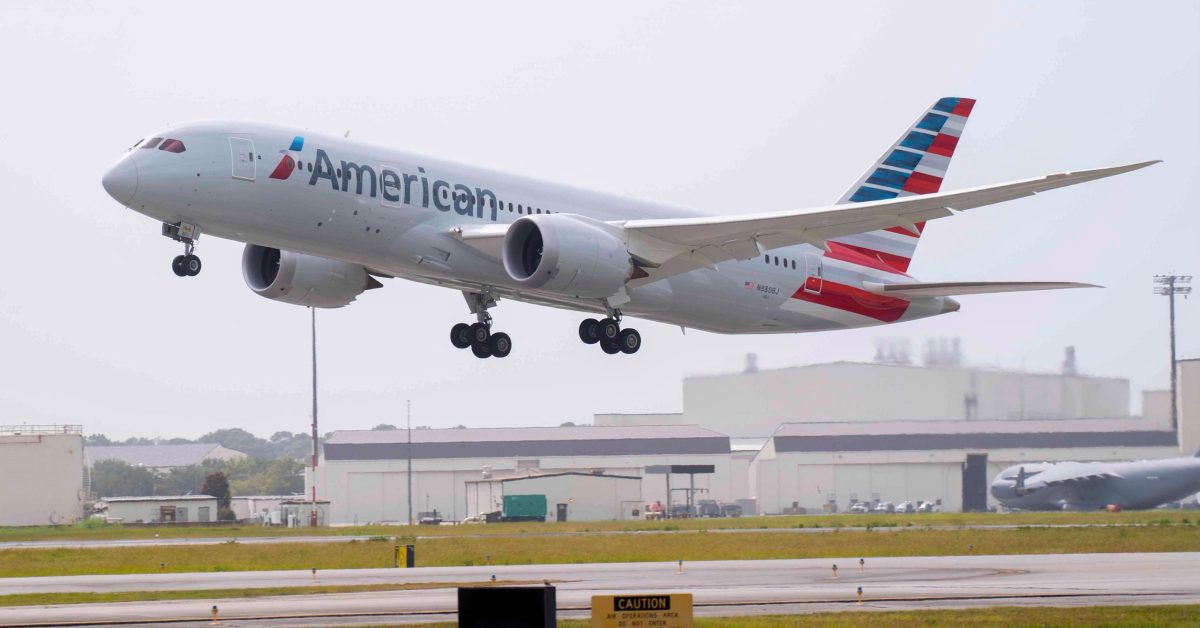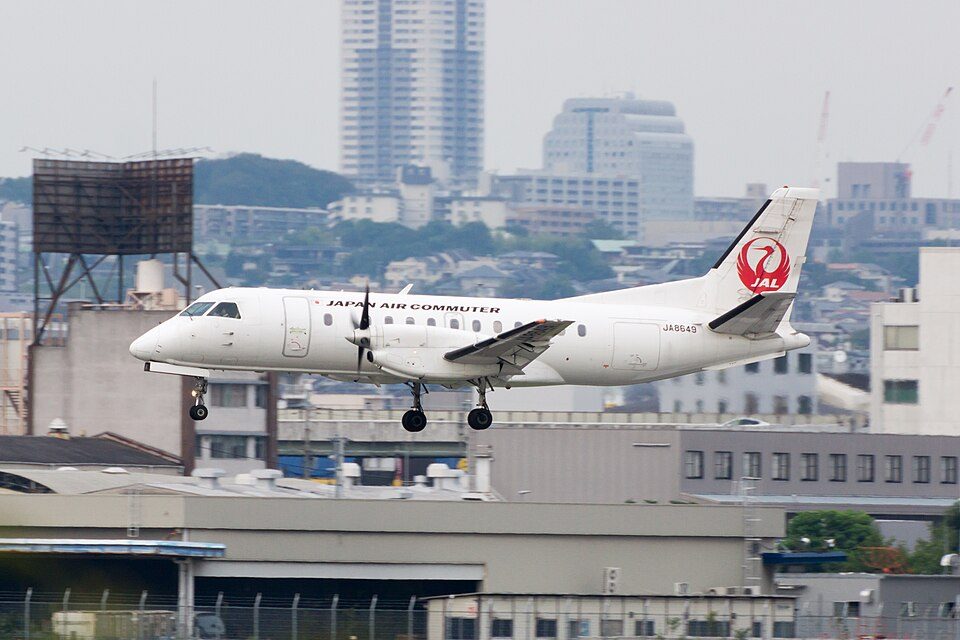
It sounds like a scene from a B-movie, but for passengers on Japan Air Commuter flight JAL3653, it was a very real delay. On October 19, 2026, a mechanic at Fukuoka Airport spotted something unexpected under the cockpit carpet of an ATR 42-600: a small snake. The discovery forced the airline to cancel the flight to Kagoshima and launch a full-scale hunt for the scaly stowaway.
The aircraft had just arrived from Izumo Airport in Shimane Prefecture, a region known for its venomous snakes, including the mamushi pit viper and the yamakagashi keelback. That made the initial sighting all the more alarming. But after a 24-hour search led by a wildlife control expert, the intruder was captured and identified as a juvenile Japanese striped snake, a non-venomous species that typically grows to about 40 centimeters. Adults can reach up to 1.5 meters, but this one was just a baby.
The airline grounded the plane out of caution, because an untracked animal inside a cabin can pose risks to wiring and flight safety. All 43 passengers were rebooked on other flights, and the airline apologized for the disruption. In a statement, Japan Air Commuter said it had never before encountered a snake in the cabin and was investigating how the reptile got on board.
Why a Snake on a Plane Is No Joke
While this particular snake was harmless, the incident highlights a serious concern for airlines. Snakes can chew through wires, hide in avionics, and cause chaos if they get loose during flight. That's why the crew didn't take any chances. The search involved lifting carpets, checking overhead bins, and inspecting every nook and cranny of the aircraft. It's a reminder that even the most routine flight can hide unexpected surprises.
For travelers, the takeaway is simple: if you see something unusual on a plane, tell a crew member. And if you're flying from a region known for wildlife, don't be surprised if the airline takes extra precautions. This incident also echoes a famous Hollywood scenario, but real life is often less dramatic and more about safety protocols.
If you're planning a trip to Japan, don't let this snake story scare you off. The country's aviation system is among the safest in the world, and incidents like this are extremely rare. For more on how airlines handle unusual situations, check out our story on a power bank fire that forced an IndiGo plane to land early.
What Happens When Wildlife Meets Aviation
This isn't the first time an animal has disrupted air travel. From birds striking engines to a tarantula biting a pilot, wildlife and aircraft don't always mix well. In this case, the snake was likely a wild animal that slithered into the plane while it was parked at Izumo Airport. The airline's quick response and thorough search ensured that no one was harmed, and the snake was safely captured and released.
For frequent flyers, it's worth remembering that airlines have protocols for everything, including unexpected animal passengers. The next time you board a flight, take a moment to appreciate the crew's vigilance. And if you're curious about other travel disruptions, read about a bomb threat that sent an Austrian Airlines flight to Bulgaria.
Japan Air Commuter operates short-haul routes within Japan, connecting regional cities with major hubs. The airline's decision to ground the aircraft for 24 hours shows a commitment to safety that passengers can trust. While the snake may have been a first for the airline, it's unlikely to be the last wildlife encounter in aviation. But with proper procedures, these incidents remain just that: incidents.
So next time you're flying, keep an eye out for anything unusual. You never know what might be hiding under the carpet.