Just before dawn on October 17, 2026, something punched through the perimeter fence at Leipzig/Halle Airport in eastern Germany. The breach happened in the northern section of the airfield, a spot that happens to sit close to three Russian cargo planes that have been grounded there since the start of the war in Ukraine. The airport briefly halted operations on that side, and an Amazon cargo plane was rerouted to the southern runway. By midday, federal police and Saxony state officers had searched the grounds and found nothing. No vehicle. No intruders. Their official line: it was highly likely a vehicle drove through the fence, but they could not say who or why.
Later reports suggested a learner driver might have been responsible. But given what happened at this same airport in August, few people are in the mood for coincidence. Back then, German officials said three explosive-packed drones, allegedly piloted by Russian military intelligence, were found near a Ukrainian cargo plane parked on the tarmac. The attack failed because the explosives did not detonate and the targeting was off. Still, the message was clear. Leipzig/Halle has become a flashpoint in Europe's shadow war with Russia, and this latest breach only deepens that unease.
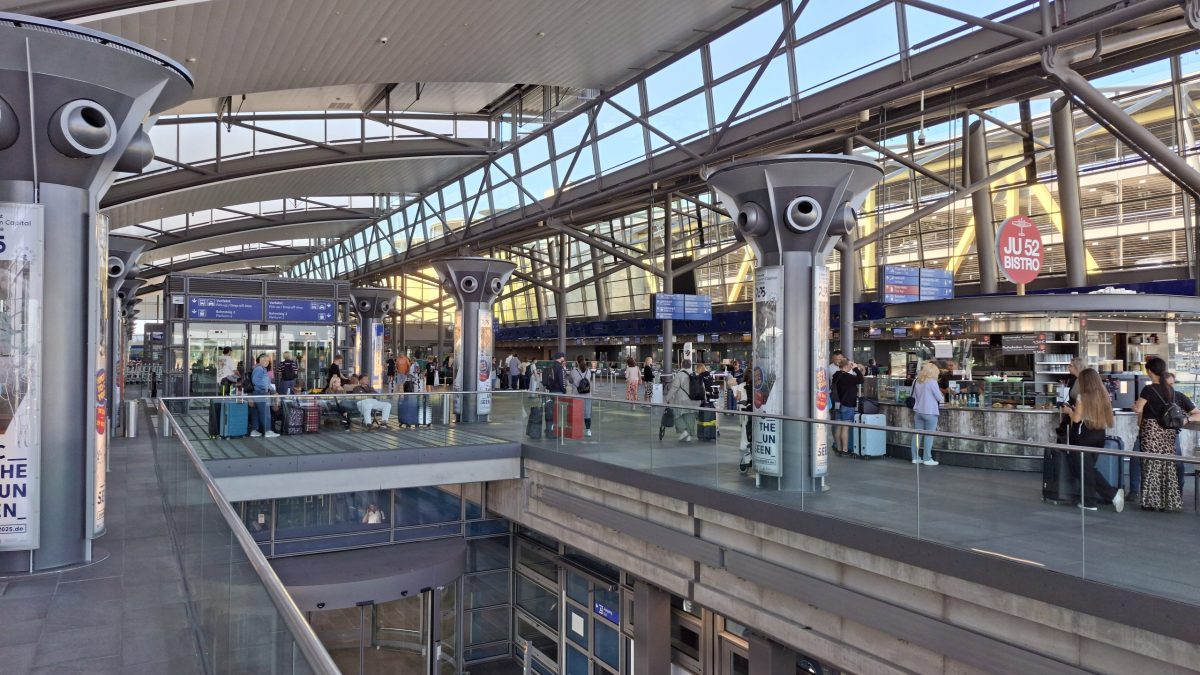
The airport itself is a major cargo hub, a place where freight from Asia lands and gets sorted for distribution across Europe. It is not the kind of airport you think about when you book a holiday, but it is exactly the kind of place that matters when you are talking about supply chains and military logistics. The fact that Russian aircraft are parked there, unable to fly because of sanctions, makes it a symbolic target. And the fact that someone, or something, got through the fence is a reminder that critical infrastructure is only as secure as its weakest point.
What the Numbers Say
This is not an isolated event. The International Institute for Strategic Studies tracked 144 suspected drone sightings across 13 European countries between August 2024 and February 2026. Airports, military bases, power grids, all of them have been in the crosshairs. Germany's Federal Criminal Police Office has recorded 165 suspected acts of sabotage since the start of 2026 alone. The pattern is consistent, and it is spreading.
For travelers, the practical takeaway is simple. Security incidents at European airports are becoming more frequent, and they can cause delays, rerouted flights, and sudden closures. If you are flying through a major hub, especially one with military or strategic significance, it pays to check your flight status before you head to the airport. The situation can change quickly, as anyone who has dealt with Brussels Airport's five-hour lines can tell you.
Europe's Response
German Interior Minister Alexander Dobrindt promised a comprehensive protective shield after the August drone incident. But the question of how Europe responds as a bloc is more complicated. The political landscape has shifted. With the lifting of oil sanctions on Russia, some observers wonder if the continent's resolve is cracking. European Commission President Ursula von der Leyen addressed the European Parliament on October 21, 2026, and was blunt. Russia cannot be trusted, she said, pointing to the weaponization of energy dependency. She called for a true European energy union, with better power grids and joint purchasing. European Council President Antonio Costa pledged continued support for Ukraine, both financial and military.
The tension is not just about airports. It is about the entire infrastructure that keeps Europe running. And it is not just Germany. Poland recently reopened its airspace after a Russian drone incursion, but the border with Belarus remains restricted. Finland has been pushing to close the Schengen door to Russian tourists, a move that would have ripple effects for anyone planning a trip to the Nordic region. For travelers, this means staying informed about geopolitical developments is no longer optional. It is part of the job.
What This Means for Your Next Trip
If you are planning to fly into or out of Leipzig/Halle, or any major European hub, here is what you need to know. Security checks may be more thorough, and there is a chance of last-minute changes to runways or gates. Allow extra time, especially if you are connecting to a cargo-heavy airport. And if you are traveling to a destination that is politically sensitive, like Finland, keep an eye on the news. The situation can evolve quickly.
The bigger picture is that Europe is on edge, and airports are on the front line. The breach at Leipzig/Halle may turn out to be nothing more than a learner driver's mistake. But the fact that it made headlines, and that it happened at all, says something about the times we live in. Security at European airports is no longer just a formality. It is a live issue, and it affects everyone who flies.
For now, the advice is the same as it has always been, but with a sharper edge. Check your flight, arrive early, and keep your documents handy. The days of breezing through security without a second thought may be on hold. And if you are curious about how other airports are handling the pressure, take a look at Sydney's new airport, which is opening with a 24-hour runway and a promise of cheaper flights. It is a reminder that even in uncertain times, the world keeps moving.