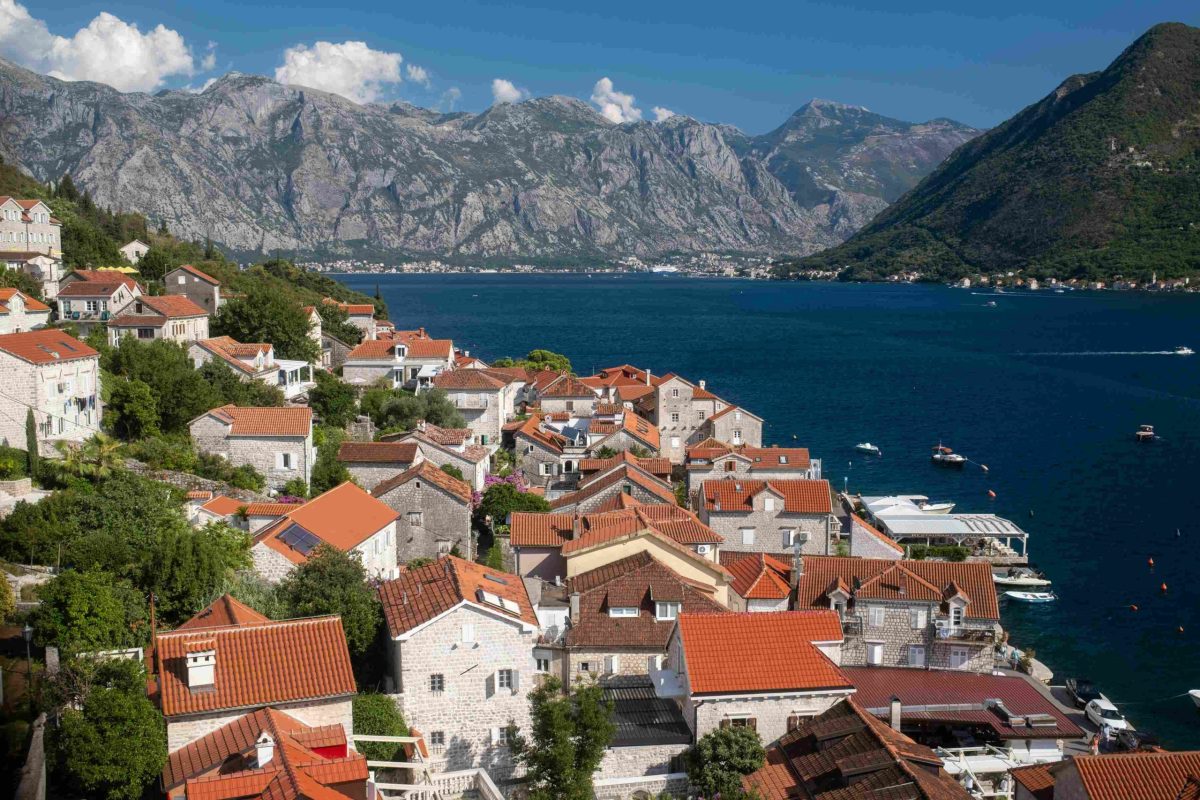
Albania and Montenegro have become the darlings of European travel, drawing crowds with their rugged coastlines, ancient towns, and prices that undercut the rest of the Mediterranean. But success has a price. Roads buckle under summer traffic, Kotor's old town feels more like a theme park than a UNESCO site, and the infrastructure that made these places accessible is struggling to keep pace.
That's exactly why a delegation from the European Parliament's Committee on Transport and Tourism (TRAN) is spending three days, from 26 to 28 October, meeting local officials and regional partners in both countries. The five MEPs, led by Austria's Sophia Kircher, are assessing how transport networks, border crossings, and tourism development can be better aligned with EU standards, especially as both nations push toward membership.
“Our mission comes at a pivotal moment,” Kircher said before the trip. “Transport is key to bringing the Western Balkans closer to the European Union. Better connections and more integrated transport systems are essential to strengthening our partnerships with the region.”
The delegation's agenda is practical. They're looking at how to simplify border procedures so that people and goods move faster between the Balkans and the rest of Europe. They're also examining how to weave Albania's and Montenegro's road and rail networks into the EU's broader transport web. That could mean smoother train rides, fewer bottlenecks at crossings, and more reliable bus routes for travelers hopping between countries.
But the bigger story here is tourism. The EU is preparing to unveil its first sustainable tourism strategy in November 2026, and this visit is a dry run for how that policy might play out on the ground. The numbers are stark: around 80% of travelers visit just 10% of destinations worldwide. That imbalance is crushing places like Kotor, where cruise ships disgorge thousands of day-trippers into a medieval town built for a fraction of that foot traffic. Housing costs have spiked, locals have been priced out, and the charm that drew visitors in the first place is wearing thin.
Albania's rise has been even more meteoric. Once a travel secret, it's now a mainstream hotspot, especially after hosting ITB Berlin 2025, the world's biggest travel trade show. The attention has been a boon, but it's also exposed cracks. Water supply systems are overtaxed, waste management lags, and unregulated coastal development is raising environmental alarms. For travelers, that means crowded beaches, patchy utilities, and a landscape that's changing faster than the country can manage.
So what does this mean for you? If you're planning a trip to the Adriatic, expect some growing pains. But there's also reason for optimism. The EU's push for sustainable tourism could steer investment toward better infrastructure, smarter crowd management, and less-visited corners of both countries. That's good news for anyone who wants to experience the Balkans without feeling like they're in a queue.
Kircher is confident the visit will yield concrete ideas. “I am confident that this visit will provide valuable insights into how we can build stronger transport links, deepen our partnerships, and unlock the full potential of Montenegro and Albania, which are currently leading the way as the clear frontrunners in the enlargement process,” she said.
For now, the region remains a work in progress. If you're heading there soon, keep an eye on border crossing times and book accommodation early, especially in Kotor. And if you're curious about how Albania's tourism boom is reshaping its coastline, check out our story on the clash between flamingos and a billionaire's resort plans. For a broader look at how Europe is grappling with overtourism, our piece on the visa maze and its impact on travel is worth a read.
The EU's visit is a signal that the region's tourism future is being taken seriously at the highest level. Whether that translates into smoother roads, cleaner beaches, and more sustainable crowds remains to be seen. But for travelers, the direction is clear: the Balkans are no longer a hidden gem, and the world is paying attention.